
How To Find Out What Keywords Your Website Ranks For

Unveiling Your Website's Secret Superpowers: Keyword Rankings
Ever felt like your website is a secret agent, working tirelessly behind the scenes to attract visitors? Well, it kind of is! And today, we're going to be its handler, learning how to find out what keywords it's ranking for. Think of it like training a puppy - you're not just letting it run wild, you're guiding it to do tricks (or in this case, rank for the right keywords).
First Things First: What Are Keywords?
Keywords are like your website's secret handshake with search engines. They're the words and phrases that people type into search bars when they're looking for something, and they're the bread and butter of Search Engine Optimization (SEO). Imagine you're at a party, and you want to find someone who shares your love for, say, vintage sneakers. You wouldn't just shout "Shoes!" into the crowd, would you? No, you'd say something like "Does anyone here collect vintage sneakers?" That's a keyword - a specific, targeted way of communicating what you're interested in.
Why Should You Care About Keyword Rankings?
Knowing what keywords your website ranks for is like having a crystal ball that shows you what people are looking for, and how well your site is meeting that demand. It's like having a personal shopper for your website - someone who knows exactly what you need to improve your visibility and attract more visitors. Plus, it's just plain fun to see what weird and wonderful things people are searching for, and whether your site is showing up in the results.
How to Find Out What Keywords Your Website Ranks For
Alright, let's get down to business. There are a few tools out there that can help you figure out what keywords your website is ranking for. Think of them like little detectives, gathering information and presenting it to you in a neat, easy-to-understand format. Here are a couple of the most popular ones:
Google Search Console
Google Search Console is like your website's personal assistant, straight from the horse's mouth (or in this case, the search engine's algorithm). It's a free tool that provides you with a wealth of information about how your site is performing in search results. To find out what keywords your site is ranking for, follow these steps:
- Head over to Google Search Console and sign in with your Google account.
- Click on the website you want to analyze.
- In the left-hand menu, click on "Performance".
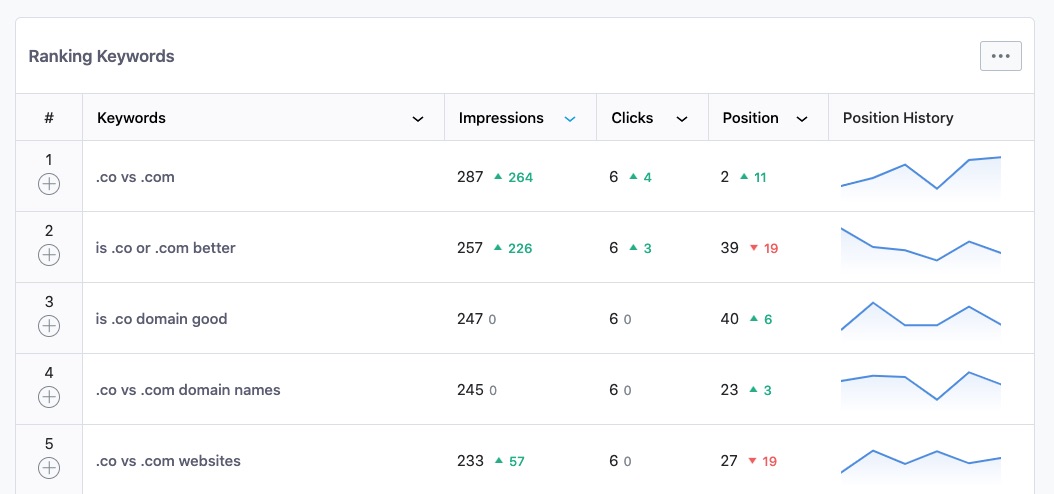
- Under the graph, click on the "Queries" tab. Here, you'll see a list of keywords that your site is ranking for, along with the number of impressions, clicks, and average position in search results.
It's like having a personal cheerleader, shouting "You're number 7 in search results for 'best vintage sneakers'!" every time someone searches for that term.
SEMrush
SEMrush is another powerful tool that can help you uncover your website's keyword rankings. It's not free, but it does offer a limited-time free trial, and it's well worth it for the wealth of information it provides. To find out what keywords your site is ranking for using SEMrush, follow these steps:
- Head over to SEMrush and sign up for a free account.
- In the search bar, type in your website's URL and click "Start now".
- On the next page, scroll down to the "Organic Research" section and click on "Positions". Here, you'll see a list of keywords that your site is ranking for, along with their search volume, keyword difficulty, and estimated visits.
It's like having a personal trainer for your website, pushing it to improve its rankings and attract more visitors.

What to Do With Your Newfound Knowledge
Now that you know what keywords your website is ranking for, it's time to put that information to good use. Here are a few things you can do to improve your site's SEO and attract more visitors:
- Optimize Your Content: Look at the keywords your site is ranking for, and make sure they're included in your content in a natural, unforced way. If you're ranking for a keyword but not using it in your content, it's like having a secret weapon that you're not using - silly!
- Identify New Opportunities: Look at the keywords you're not ranking for, but should be. These are like low-hanging fruit, ready for the picking. Incorporate them into your content strategy, and watch as your site's rankings improve.
- Track Your Progress: Regularly check in on your keyword rankings to see how your site is performing. It's like checking in on a plant - you want to make sure it's growing and thriving!
And there you have it - a crash course in finding out what keywords your website ranks for. It's like learning a secret language, and now you're fluent! So go forth, and use your newfound knowledge to make your website the best it can be.
Happy ranking!