
The Social Pyramid Of Ancient Egypt
Climbing the Sand Dunes: A Peek into Ancient Egypt's Social Pyramid
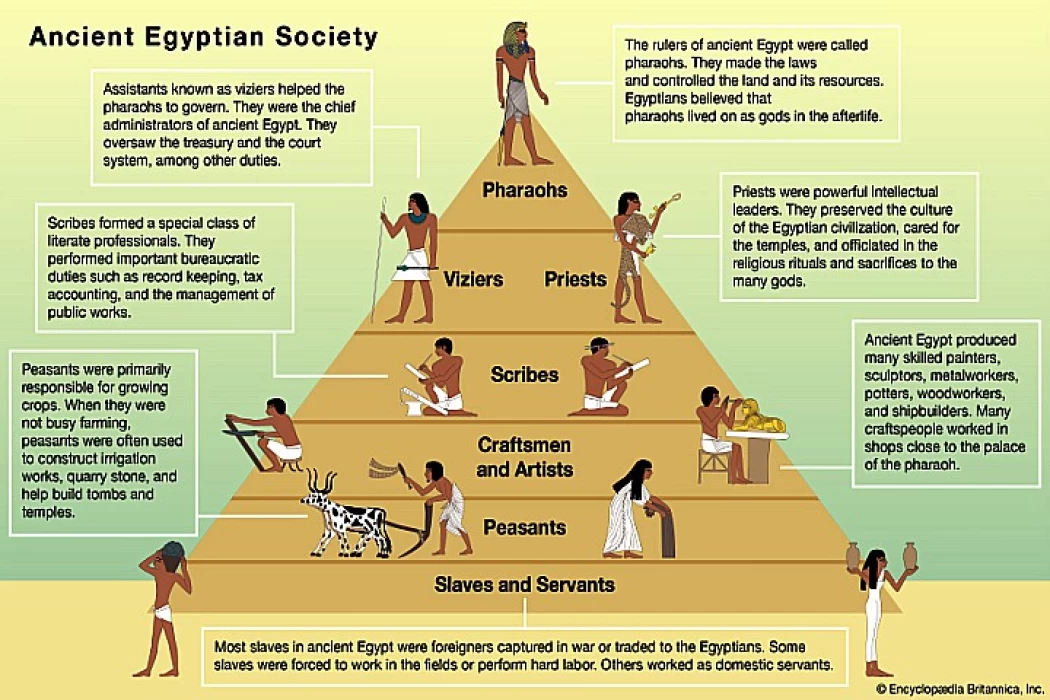
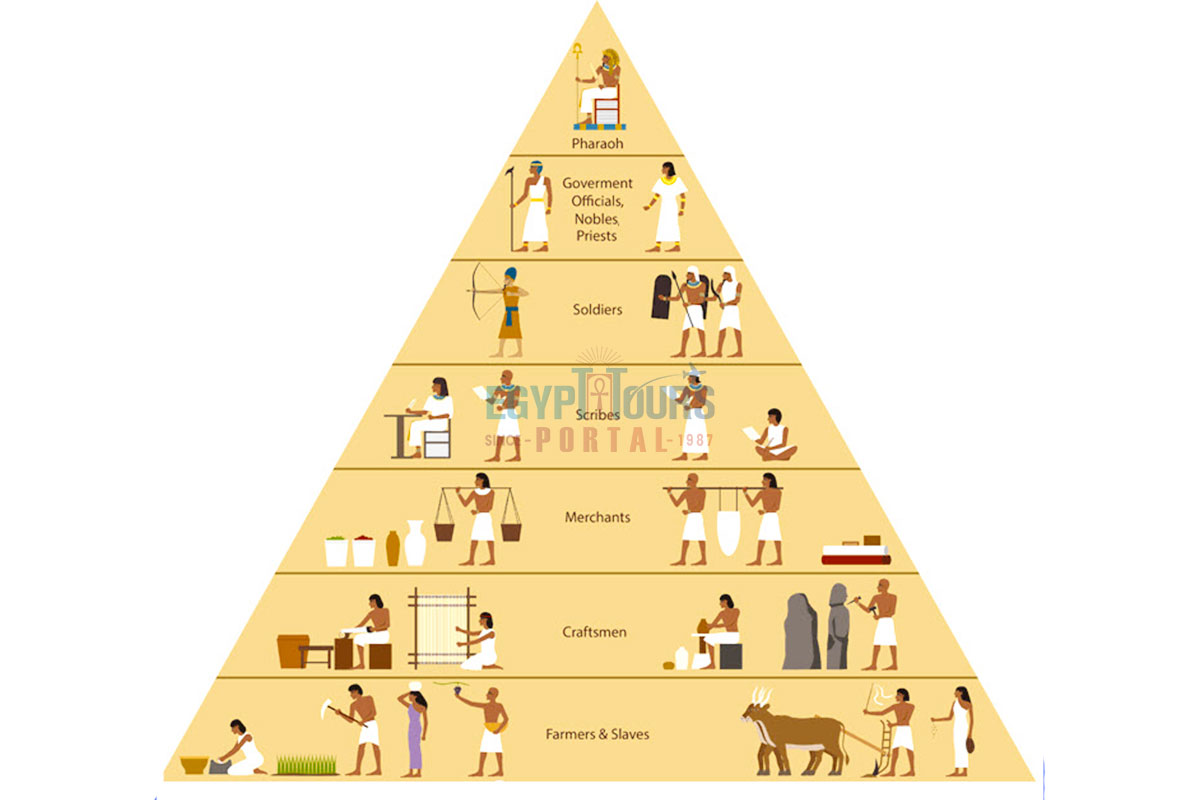
Ever wondered how life worked in ancient Egypt? Imagine it like a giant sandcastle, with a pyramid-shaped social structure. Now, I'm not talking about the famous tombs, but the way people were organized, from the pharaoh at the top to the humble farmer at the base.
At the Top: The Pharaoh, The Sun, and The Star
At the very peak of this social pyramid was the pharaoh. They were like the sun, the center of the universe, around whom everything else revolved. The pharaoh was believed to be a god on earth, a divine ruler who held ultimate power. They were the star of the show, the CEO of the entire operation.
Think of it like a modern-day celebrity. Everyone knows who they are, they're always in the spotlight, and their every move makes headlines. But unlike today's stars, the pharaoh's power was absolute. They made the laws, they led the army, and they even controlled the economy. Talk about a big job!
Next in Line: The Nobles, The Managers, and The Influencers
Just below the pharaoh were the nobles. These were the high-ranking officials, the managers of ancient Egypt. They were like the influencers of their time, setting trends and shaping society. They had power, wealth, and prestige, and they used it to maintain the pharaoh's rule.
One of these nobles might have been a vizier, the pharaoh's right-hand man. Imagine them as the chief of staff, the one who made sure the pharaoh's orders were carried out. They were the ultimate multitasker, dealing with everything from irrigation projects to legal disputes. Now that's a resume!
Middle Management: The Priests, The Teachers, and The Storytellers
Next up were the priests. They were the keepers of the ancient Egyptian religion, the ones who performed the rituals and maintained the temples. They were also the teachers and the storytellers, preserving history and passing on knowledge to the next generation.
Think of them as the librarians of ancient times. They spent their days in the cool, quiet temples, studying scrolls and passing on their knowledge to eager students. They were the guardians of ancient Egyptian culture, ensuring that the stories of the gods and the pharaohs were never forgotten.
The Workers: The Farmers, The Craftsmen, and The Everyday Heroes
At the base of the pyramid were the farmers, the craftsmen, and the everyday workers. They were the backbone of ancient Egyptian society, the ones who kept the country running. They worked hard, from sunrise to sunset, growing crops, building temples, and creating art.
These were the people who made up the majority of ancient Egyptian society. They might not have had the power or the wealth of the pharaoh or the nobles, but they were just as important. Without them, the pyramids would never have been built, the fields would never have been farmed, and the temples would never have been filled with worshippers.
Why Should We Care?
So, why should we care about ancient Egypt's social pyramid? Well, for starters, it helps us understand how societies have worked throughout history. It shows us that even thousands of years ago, people were organized into hierarchies, with some holding more power and wealth than others.
But it also reminds us that everyone has a role to play, no matter where they are in the pyramid. The pharaoh might have been at the top, but it was the farmers and the craftsmen who made sure the country ran smoothly. It's a reminder that we all rely on each other, and that every job is important.
Plus, it's just plain fascinating! Ancient Egypt is a world away from our modern lives, but understanding their social structure can help us appreciate the complexity and diversity of human societies. So, the next time you're feeling curious about the past, take a peek into ancient Egypt's social pyramid. You might just find a new appreciation for the way things work, both then and now.