
Does Pyruvate Have More Potential Energy Than Glucose
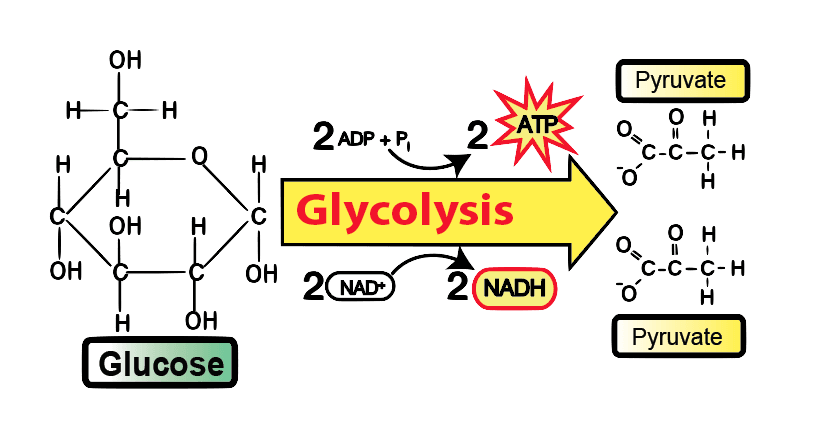
Hey there, curious mind! Ever wondered if that humble little apple you're munching on is packing more energy punch than you thought? Let's chat about pyruvate and glucose, two players in the energy game that might surprise you.
Meet the Contenders
First up, we've got glucose, the rockstar of the sugar world. It's the main source of energy for our bodies, and it's in almost everything we eat, from fruits to bread. It's like the Energizer Bunny of the energy world, always ready to go.
Next, we've got pyruvate. Now, this guy's a bit of a wallflower. You won't find it in your food like glucose, but it's made in your body from glucose. It's like the quiet kid in class who's actually a genius – you just don't know it yet.
Must Read
Energy Showdown
Now, here's where things get interesting. You'd think glucose, being the energy superstar, would have more potential energy, right? Well, hold onto your hats, because pyruvate's got a secret weapon.
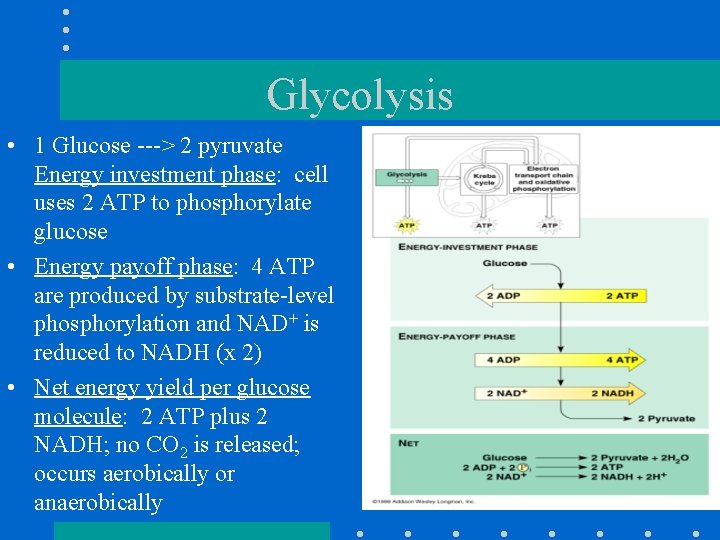
You see, pyruvate can enter a special part of your cells called the mitochondria, where it's converted into something called ATP. ATP is like the gold standard of energy – it's what your body uses to power everything from your heartbeat to your brainwaves.
Glucose, on the other hand, has to go through a longer process to become ATP. It's like pyruvate has a fast track to energy town, while glucose has to take the scenic route.
Why Should You Care?
So, what does this mean for you? Well, it means that when you're exercising or your body's under stress, pyruvate can kick into gear and provide energy faster than glucose. It's like having a secret energy reserve you can tap into when you need it most.

But here's the kicker – to make pyruvate, your body needs something called NAD+. And guess what? NAD+ is made from something called niacin, which is a type of vitamin B. So, eating foods rich in vitamin B could help your body make more pyruvate, which could help you power through your workouts or stressful days.
Isn't that just the coolest? Who would've thought that little apple you're snacking on could be hiding such a powerful energy secret?
But Wait, There's More!
Now, you might be thinking, "Okay, that's all well and good, but what about all that talk about pyruvate being a wallflower? Why don't we just eat it instead of glucose?" Well, here's where things get a bit tricky.
You see, while pyruvate is great at making ATP, it's not so great at being absorbed by your body when you eat it. It's like it's too shy to come out and play. So, while it's a fantastic energy source once it's in your body, it's not the easiest to get there.
But don't worry, that's not a reason to stop eating apples or other glucose-rich foods. Remember, glucose is still the main energy source for your body, and it's what your brain needs to function. Plus, it's in almost everything we eat, so it's kind of hard to avoid!
So, Who Wins?
In the great energy showdown, pyruvate might have the edge when it comes to quick energy, but glucose is still the reigning champion when it comes to overall energy needs. It's like they're the dynamic duo of energy – one's great for quick hits, the other's great for sustained power.
And the best part? You don't have to choose! Your body's got it covered, converting glucose into pyruvate and using them both to keep you powered up. Isn't that just the coolest thing ever?
So, the next time you're reaching for a snack, remember the energy dance going on in your body. It's like a secret party, and you're the guest of honor!