
How Long Does Apixaban Stay In Your System

Ever found yourself wondering, "How long does Apixaban stay in my system?" You're not alone. This blood thinner, often prescribed to prevent blood clots, leaves many curious about its lingering effects. Let's dive in, shall we?
First Things First: What's Apixaban?
Apixaban, sold under the brand name Eliquis, is a medication that belongs to a class of drugs known as Factor Xa inhibitors. It works by blocking a specific protein in the blood, preventing clots from forming. It's often prescribed to people with atrial fibrillation (AFib) or those who've had a hip or knee replacement to lower the risk of blood clots.
So, How Long Does It Stick Around?
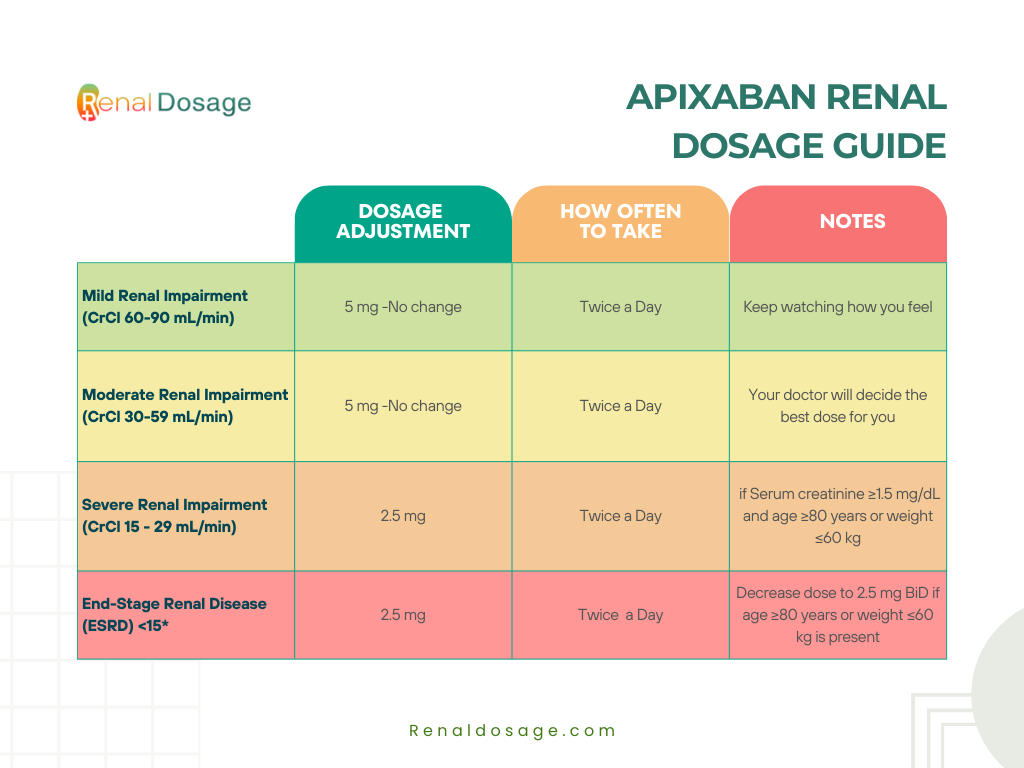
Apixaban has a half-life of about 12 hours, which means it takes approximately that time for the amount of drug in your system to be reduced by half. But here's the thing, it's not as simple as waiting for it to disappear completely. The drug is primarily excreted through the kidneys, so any underlying kidney issues could affect how long it stays in your system.
Must Read
On average, it takes about 5 half-lives for a drug to be almost completely eliminated from the body. So, for Apixaban, that's roughly 60 hours, or about 2.5 days. But remember, this is just an estimate. Everyone's body is unique, and factors like age, weight, and overall health can influence how quickly your body processes the drug.
What About Food and Drink?
Apixaban can be taken with or without food, which is a plus for those who prefer not to time their meals around their medication. However, it's important to note that grapefruit and grapefruit juice can interact with Apixaban, increasing its levels in your body. So, while you might be craving a tangy grapefruit for breakfast, it's best to steer clear if you're taking Apixaban.
When to Worry
While Apixaban is generally well-tolerated, it's crucial to be aware of its potential side effects. Bleeding is the most common, and it can range from minor bruising to something more serious. If you notice any unusual bleeding, like nosebleeds that won't stop, blood in your urine, or vomiting or coughing up blood, it's essential to contact your healthcare provider right away.
Also, keep in mind that Apixaban can interact with other medications, supplements, and even some foods. Always consult with your doctor or pharmacist before starting any new treatments.
Life Hacks for Managing Apixaban
Here are a few tips to help you manage your Apixaban therapy:
- Set Reminders: Use your phone, smartwatch, or a good old-fashioned alarm clock to remind you to take your medication at the same time every day.
- Keep a Log: Track your doses to ensure you're staying on schedule and to help you remember when you last took your medication.
- Know Your Body: Pay attention to how your body responds to Apixaban. If you notice any unusual symptoms, don't hesitate to reach out to your healthcare provider.
Apixaban and Pop Culture
You might be surprised to learn that Apixaban has made a cameo in popular culture. In the hit TV show "The Good Doctor," the main character, Dr. Shaun Murphy, is prescribed Apixaban after a medical procedure. It's a reminder that even fictional characters need to manage their medications!
Reflecting on Daily Life
Understanding how long Apixaban stays in your system can help you make informed decisions about your health. It's a reminder that our bodies are complex machines, and what we put into them can have lasting effects. So, whether you're taking Apixaban or not, it's always a good idea to be mindful of your health and the choices you make.
After all, as the late, great Freddie Mercury once sang, "The show must go on," and that includes taking care of ourselves, one day at a time.