
How To Transfer Credit Card Balance

Ever found yourself in a situation where you've maxed out your credit card on, let's say, an impromptu pizza party for your friends (because who doesn't love pizza, right?), and now you're staring at that daunting balance like it's a math problem from your high school nightmare? You're not alone, buddy. We've all been there. But fear not, for there's a magical trick called balance transfer that can make your financial life as smooth as that cheesy goodness you've been indulging in.
What's a Balance Transfer, You Ask?
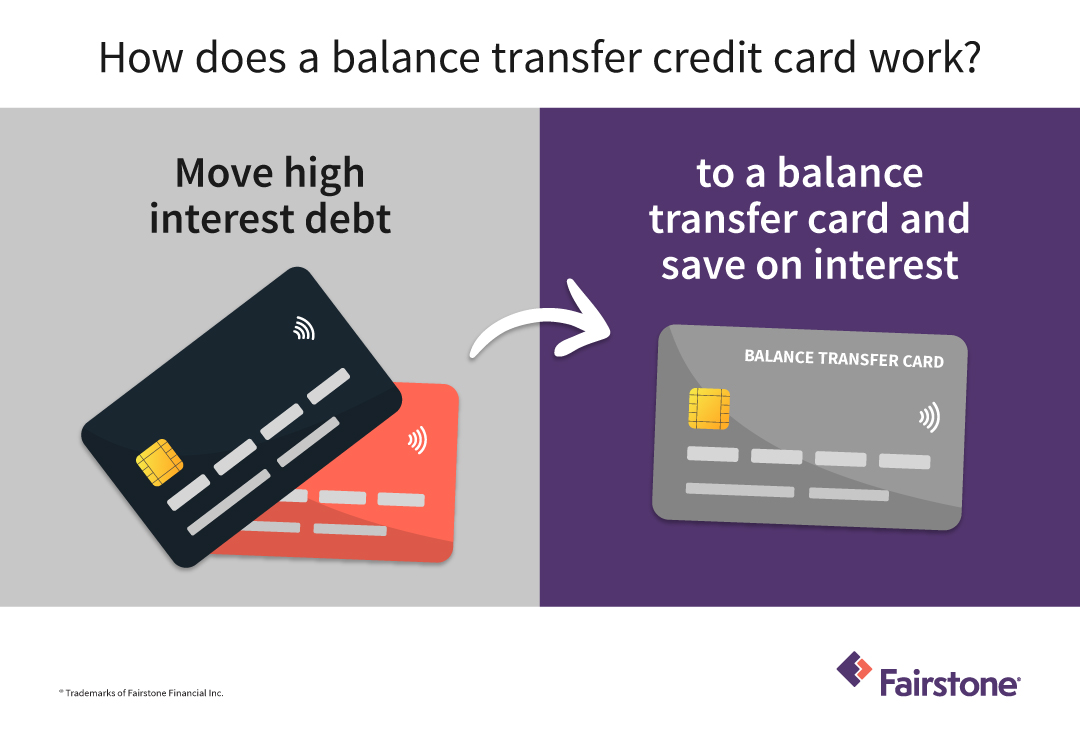
Imagine you're at a buffet (yes, we're keeping the food theme going), and you've got two plates. One's piled high with debt, the other's a shiny, clean slate with a lower interest rate. A balance transfer is like asking the nice lady at the buffet to scoop that mountain of debt onto the new, shinier plate. It's a way to move your credit card balance from one card to another, often to snag a lower interest rate or perks like cashback.
Why Bother?
Let's say you've got a balance of $5,000 on a card with an 18% interest rate. That's like having a tiny, greedy money vampire sucking $900 out of your pocket every year. Now, if you transfer that balance to a card with a 0% introductory APR, that money vampire goes on a diet, and you get to keep that $900. Cha-ching!
Must Read
But wait, there's more! Some balance transfer cards offer cashback or rewards on your transferred balance. It's like finding out the buffet also has a 'buy one, get one free' deal on dessert. Who wouldn't want a slice of that action?
How to Balance Transfer: The Step-by-Step Guide
Step 1: Find Your Match
First things first, you need to find a card that's willing to take on your debt. Look for cards with low or 0% introductory APRs, and consider any perks they might offer. Remember, the goal is to save money, not add more debt.
Pro tip: Use a balance transfer calculator to see how much you could save. It's like a little financial crystal ball that shows you the future. Well, the future of your credit card balance, anyway.
Step 2: Apply and Wait
Once you've found your match, apply for the new card. It's like online dating, but with less swiping and more financial responsibility. After you're approved, the new card issuer will ask you which balance you want to transfer. Give them the details of your current card, and they'll take care of the rest.
This process can take a few weeks, so be patient. It's like waiting for your pizza to arrive - you know it's worth it in the end.
Step 3: Pay Off Your Balance
Now that your balance is on a new card with a lower interest rate, it's time to pay it off. The faster you pay, the more money you save. It's like eating your veggies before the good stuff - you might not want to, but it's good for you in the long run.
Remember, the introductory APR is usually only for a set period, like 12 to 21 months. After that, the interest rate goes back up, so it's crucial to pay off your balance before the intro period ends. It's like having a limited-time offer at your favorite restaurant - you don't want to miss out.
Balance Transfer Fees: The Fine Print
Before you start your balance transfer journey, there's something you should know about: balance transfer fees. These are like the tip you leave for the waiter - they're not mandatory, but they're expected. Usually, they're around 3% to 5% of the transferred amount.
Let's say you're transferring $5,000, and the fee is 3%. That's an extra $150 you'll have to pay. But remember, if you're saving $900 a year in interest, that $150 fee is still a steal.
Can't I Just Pay Off My Balance?
If you've got the cash to pay off your balance in full, then by all means, do it! But for many of us, that's not an option. A balance transfer can give you some breathing room, helping you pay off your debt at a lower interest rate.
Think of it like this: You're at the buffet again, and you've got a massive plate of debt. You could try to eat it all in one go, but you might make yourself sick (aka go deeper into debt). Or, you could transfer some of that debt to a new plate, giving yourself time to digest (pay off) what you've already eaten. It's all about pacing yourself.
Final Thoughts
Balance transfers can be a lifesaver when you're drowning in credit card debt. They're like a financial life preserver, pulling you back from the stormy seas of high interest rates and helping you swim to the calm shores of debt freedom.
But remember, a balance transfer is only as good as your ability to pay off your debt. It's not a magic trick that makes your debt disappear - it's a tool that helps you manage it. So, use it wisely, and you'll be well on your way to a debt-free future.
And who knows, maybe one day you'll look back at this whole thing and laugh. You know, like how you laugh at the fact that you once spent $5,000 on pizza. But hey, at least you'll be laughing all the way to the bank.