
What Keywords Do I Rank For

Hey there, coffee companion! You're probably wondering, "How do I find out what keywords I'm ranking for?" Well, grab your latte and let's dive in. It's like playing detective, but with less trench coat and more screen time.
Why Keywords Matter
First things first, why should you care about keywords? They're like the secret handshake of the internet. Search engines use them to understand what your website is about and show it to the right people. So, if you want to be found, you gotta speak their language.
Imagine you're at a party (yes, I'm still talking about keywords, bear with me). You want to talk about your awesome new hobby, let's say, knitting. But if you keep shouting "yarn" and "stitches" in a room full of people talking about sports, no one's gonna find you. But shout "knitting" loud and clear, and suddenly you've got a whole circle of new friends.
Must Read
Tools of the Trade
Now, let's get our hands on some tools. Think of them as your trusty magnifying glass and deerstalker hat. Here are a few:
- Google Search Console: This is like your own personal spy in Google's headquarters. It tells you what keywords people are using to find your site.
- SEMrush, Ahrefs, or Moz: These are like the big, fancy detective agencies. They've got all sorts of bells and whistles to help you find keywords and see how you're ranking.
- Google Keyword Planner: This one's free and straight from the horse's mouth (Google). It helps you find new keywords and see how many people are searching for them.
Google Search Console: Your First Stop
Let's start with Google Search Console. It's easy to use and gives you a nice, simple breakdown of what's working and what's not. Here's how you find your keywords:

- Log in to your Google Search Console account.
- Select your website.
- Click on "Performance" in the left-hand menu.
- Look for "Queries" in the middle of the page. This is where you'll see the keywords people are using to find your site.
You can sort these by clicks, impressions, CTR (click-through rate), or position. Play around with the filters to see what's working best.
When You're Ready to Up Your Game
If you're feeling adventurous, try out one of those fancy detective agencies I mentioned earlier. They've got all sorts of features to help you find new keywords, see how you're ranking compared to your competitors, and even find out what keywords your competitors are ranking for (shh, don't tell them we told you).
But remember, more features doesn't always mean better. It's like having a million channels on your TV - it's great, but if you're just looking for a good movie, it can be overwhelming. So, start with the basics and see what works for you.
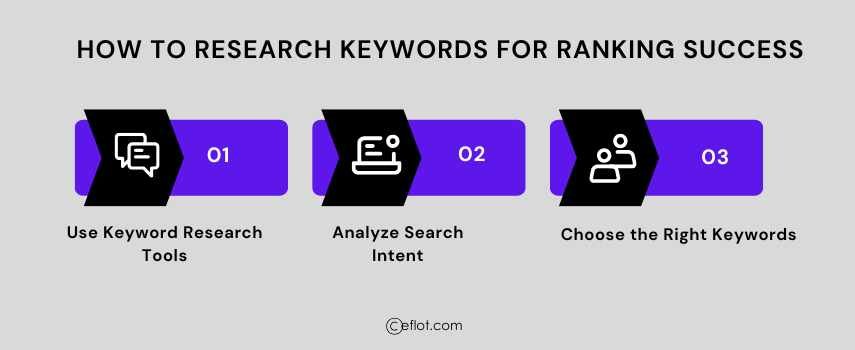
What to Do With Your Newfound Knowledge
So, you've found your keywords. Now what? Well, it's time to put them to work. Here are a few ideas:
- Optimize Your Content: Use your keywords in your titles, headings, and throughout your content. But remember, don't stuff them in where they don't fit. Google's not a fan of that, and neither are your readers.
- Create New Content: If you're ranking for a keyword but not getting many clicks, it might be time to create some new content around that topic. More content means more chances to rank and more chances to engage your audience.
- Improve Your Click-Through Rate: If you're ranking high but not getting many clicks, it might be time to work on your meta description. Make it compelling, use your keywords, and watch those click-throughs climb.
And there you have it, my friend. You're now a keyword detective, ready to solve the mysteries of the internet. So, go forth, find your keywords, and let's get your site ranking. And remember, if you ever feel lost, just think, "What would Sherlock Holmes do?" (Probably use a magnifying glass and mutter to himself a lot.)
Until next time, happy ranking!