
What Was The Status Of Medieval Vassals
So, picture this: it's the Middle Ages, and you're a vassal. You've just woken up in your modest keep, the sun's barely peeking over the horizon, and you're already thinking, "What's in store for me today?" Now, you might be wondering, "What exactly was the status of medieval vassals?" Well, buckle up, my friend, because we're about to dive into the fascinating world of medieval feudalism.
Feudalism 101
First things first, let's get our terms straight. You, dear reader, are now a vassal. You've sworn fealty to your lord, a nobleman who's promised to protect you and your land. In return, you've agreed to serve him, provide him with military service, and even give him a portion of your income. It's a bit like a medieval timeshare, but with more swords and less palm trees.
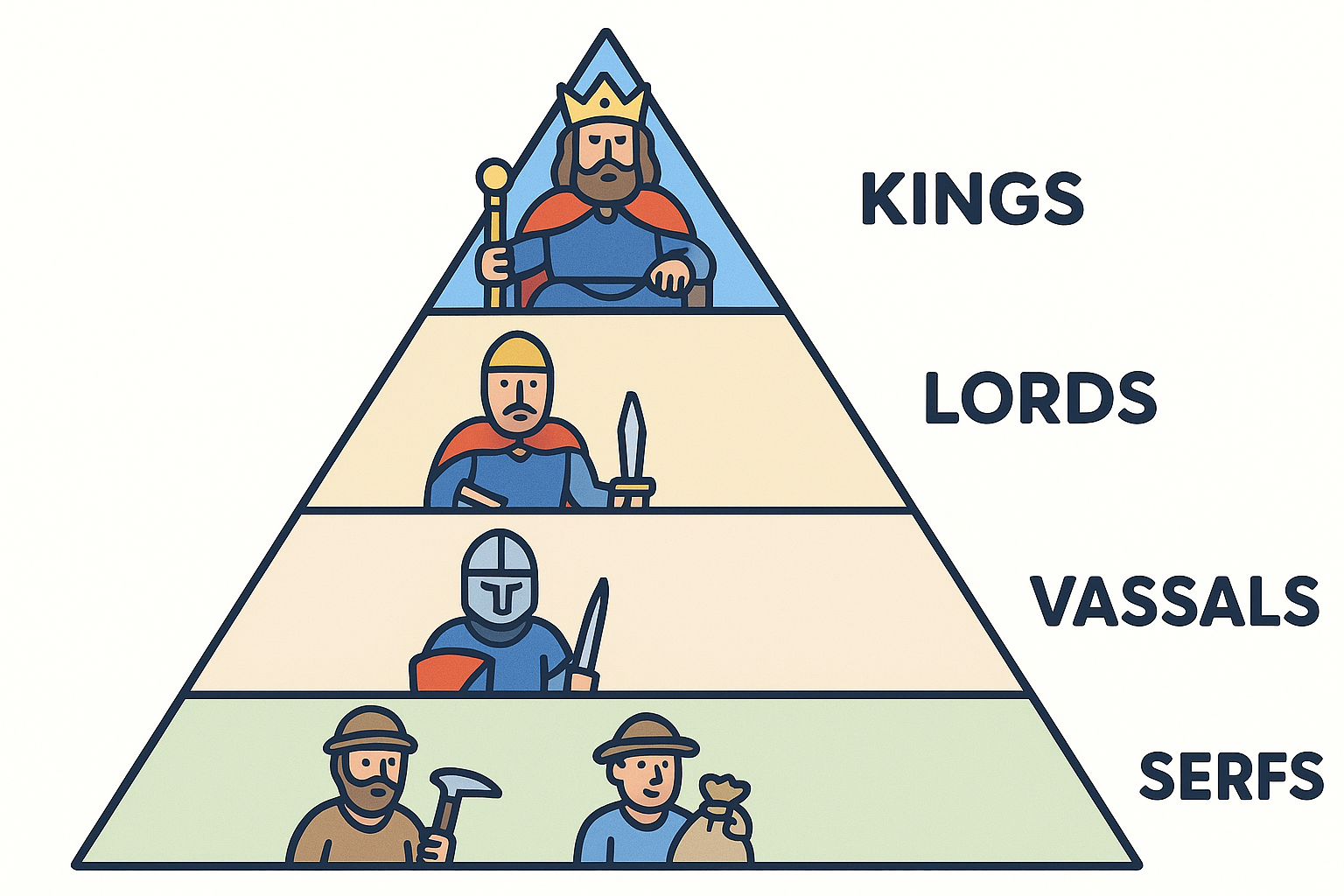
Now, the lord you're serving? He's part of a complex chain of command. At the top, you've got the king. Then come the dukes, earls, barons, and finally, your lord. Each of these guys has their own vassals, and together, they form the backbone of medieval society. It's like a giant game of musical chairs, but with more titles and less dancing.
Must Read
Life as a Vassal
So, what does a typical day look like for a vassal? Well, it's not all jousting tournaments and feasts, that's for sure. Most vassals were landowners, known as knights, who spent their days managing their estates, training for war, and, of course, paying homage to their lords.
Life wasn't easy, though. Vassals had to maintain their lords' castles and fortifications, provide them with soldiers when needed, and even accompany them on campaigns. And let's not forget the taxes. Vassals had to pay their lords a portion of their income, known as scutage, to avoid military service. It's like a medieval version of jury duty, but with more gold and less dodging.
But it wasn't all doom and gloom. Vassals had a certain level of autonomy. They managed their own lands, had their own courts, and even had the right to pass on their titles and lands to their heirs. It was a bit like being a small business owner, but with more armor and less health insurance.
Vassals: The Unsung Heroes of Feudalism
You might be thinking, "Wow, vassals had it tough." And you're right, they did. But they were also the backbone of medieval society. They provided the military might that kept the kingdom safe, they managed the land that fed the people, and they even provided a level of justice through their courts.

Without vassals, the medieval world would have been a very different place. It's like the medieval version of a team sport. The king was the coach, the lords were the captains, and the vassals were the players, each with their own role to play in the grand game of feudalism.
From Vassals to... CEOs?
You might be wondering, "What does any of this have to do with me?" Well, some historians argue that feudalism laid the groundwork for modern capitalism. The relationship between a vassal and his lord is not unlike that of an employee and their boss. Both involve a certain level of service, a promise of protection, and a division of labor.
So, the next time you're at work, feeling like a modern-day vassal, remember that you're part of a long tradition of service and loyalty. And who knows? Maybe one day, you'll be the lord, and your employees will be the vassals. But for now, let's just focus on getting that TPS report done on time.
And there you have it, folks. The status of medieval vassals in a nutshell. It wasn't always easy, but it was a crucial part of medieval life. So, the next time you're feeling a bit feudal at work, just remember, it could be worse. You could be fighting for your life in a castle siege. Now, that's a tough day at the office.