
Is Energy Needed For Facilitated Diffusion
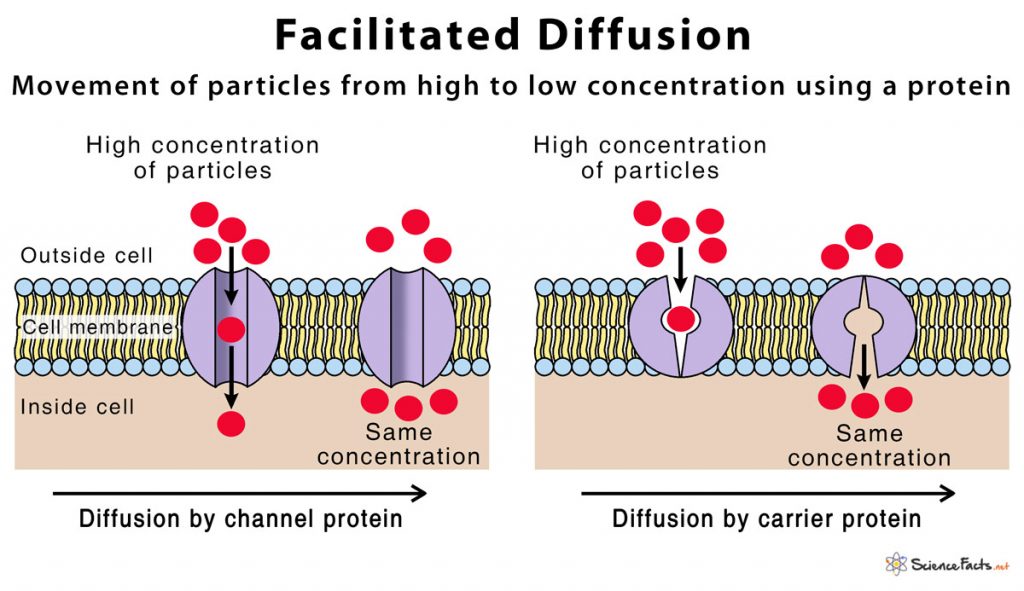
Hey there, curious mind! Let's chat about something that's been buzzing around in the world of biology - facilitated diffusion. You might be thinking, "Diffusion? Isn't that just a fancy word for 'spreading out'?" Well, yes, but there's more to it than meets the eye!
So, What's This Facilitated Diffusion Thing?
Imagine you're at a party (yes, I'm setting the scene like a cheesy 80s movie). You're holding a tray of drinks, but there's a bouncer at the door - that's the cell membrane. Now, you could try to squeeze through the crowd (passive diffusion), but it's slow and you might spill your drinks. Or, you could find a helpful friend (a protein channel) who knows the secret path through the crowd. That's facilitated diffusion!
In the world of cells, facilitated diffusion is like having a VIP pass. It helps certain molecules, like glucose or amino acids, get into the cell faster and easier than they would on their own.
Must Read
But Wait, Do We Need Energy For This?
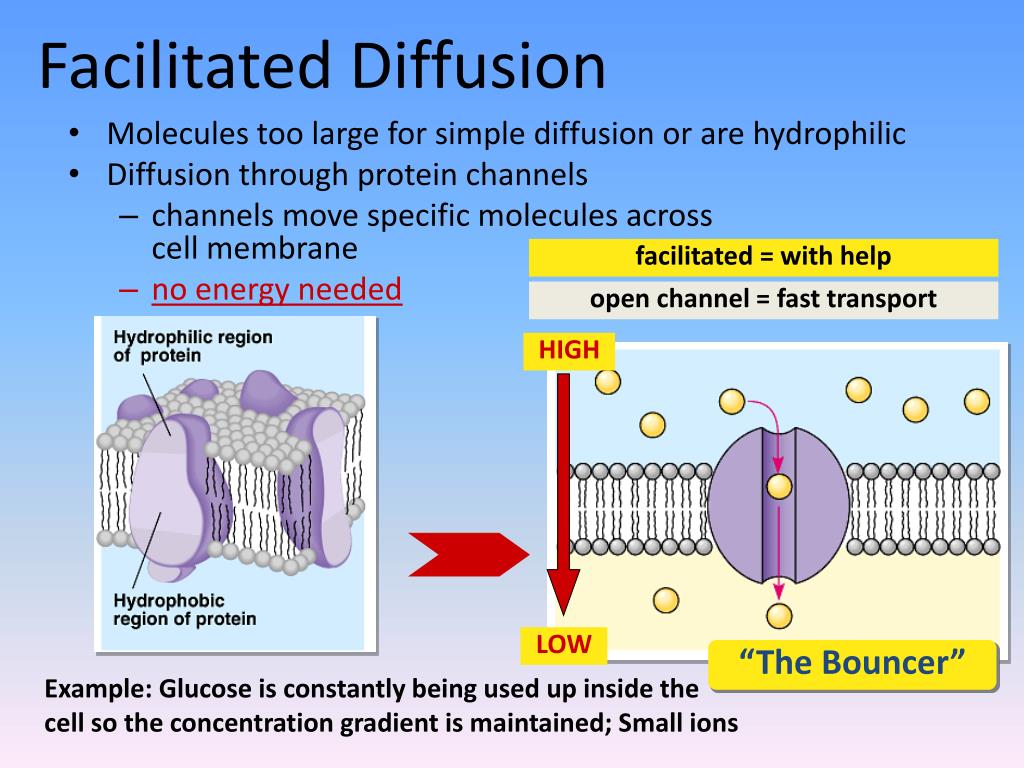
Great question! Here's where things get interesting. Unlike active transport (which is like having a personal assistant carrying your drinks for you, and they need energy to do that), facilitated diffusion is a passive process. It doesn't require energy from the cell.
Think of it like this: you're still doing the walking to the party (that's the molecule moving down its concentration gradient), but your helpful friend is making the journey easier (that's the protein channel). No extra energy needed!
Meet the Protein Channels
These guys are the real MVPs of facilitated diffusion. They're like tiny, selective doors in the cell membrane, allowing only certain molecules to pass through. Some channels are always open, while others can be controlled by the cell, opening and closing like a gate.
There are different types of channels for different jobs. Some let ions through, like sodium or potassium, while others are for larger molecules like sugars. But no matter what they're carrying, they all do their job without using up the cell's energy.
So, Why Do We Care?
Well, my friend, understanding facilitated diffusion is like unlocking a secret door to the cell's inner workings. It helps us understand how cells communicate, how they take in nutrients, and even how they respond to signals from their environment.
Plus, it's just plain cool! Imagine all those tiny channels working together, like a well-oiled machine, to keep our cells healthy and happy. It's like the ultimate teamwork goal!
But Wait, There's More!
You might be thinking, "Okay, I get it. Facilitated diffusion is like having a helpful friend at a party. But what about when things get really crowded, and even the VIP path is too slow?" That's where active transport comes in, but that's a story for another time.
For now, let's appreciate the magic of facilitated diffusion. It's a constant, energy-free process that keeps our cells ticking along, one molecule at a time.
And That's a Wrap!
So there you have it! Facilitated diffusion - it's not just about spreading out, it's about making the journey easier. And the best part? It doesn't cost the cell a single calorie of energy. Now, who's ready to party like a cell?
Until next time, stay curious, my friend!