
Top Databases In Event Intelligence Industry
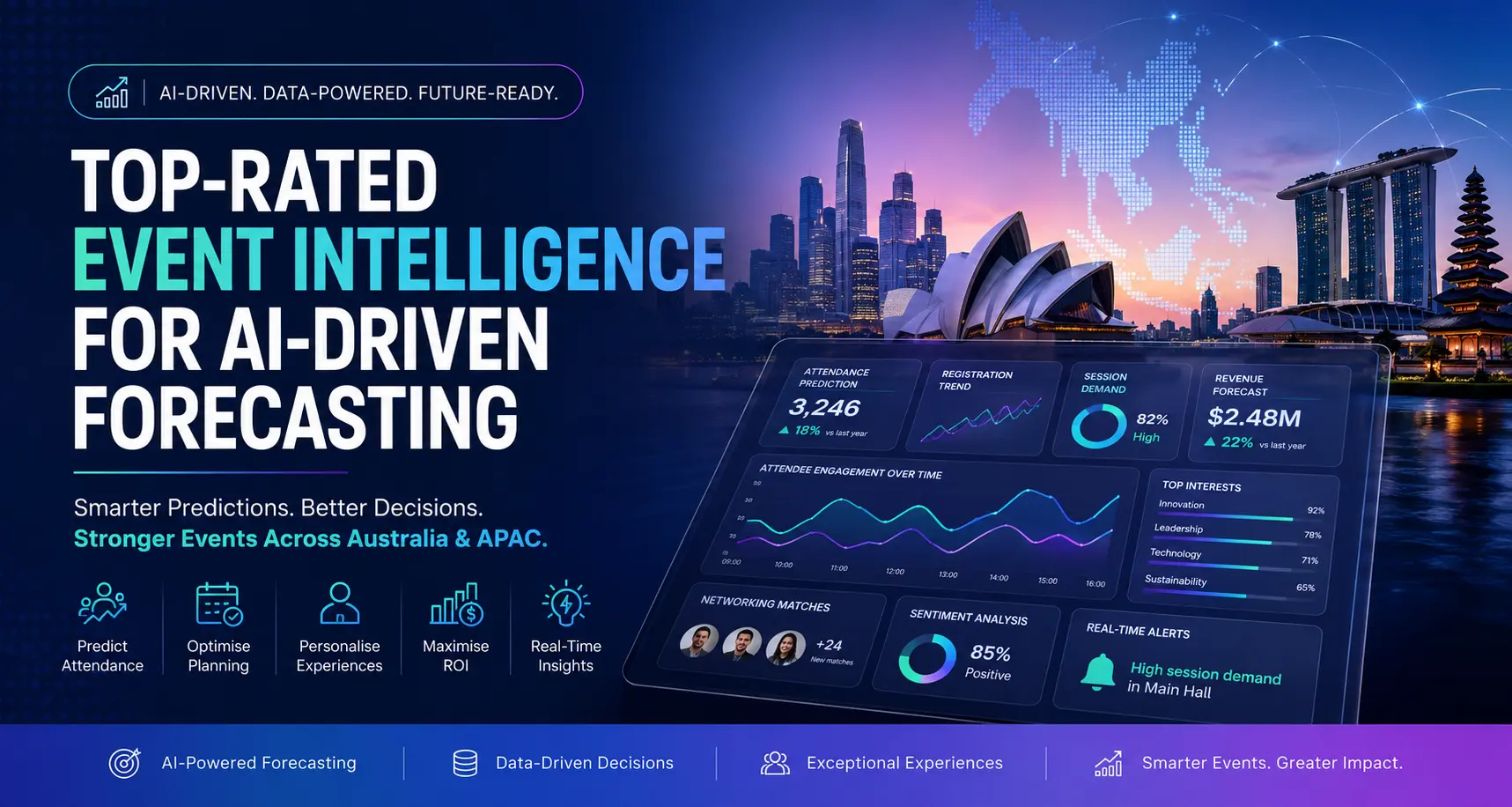
Hey there, tech enthusiast! Let's dive into the world of event intelligence, where data is the new black, and databases are the life of the party. Buckle up, 'cause we're about to explore the top databases that make this industry tick. No boring jargon here, just a fun chat about the cool kids on the block.
Why Databases Matter, You Ask?
Well, imagine you're planning a massive event - think Coachella, but with more data geeks and fewer flower crowns. You've got attendees, speakers, sponsors, and a million other details to keep track of. That's where databases come in. They're like the ultimate event planners, keeping everything organized and accessible. Now, let's meet the A-listers!
1. PostgreSQL - The Oldie but Goodie
PostgreSQL has been around since the '80s, making it older than some of us (ahem). But don't let its age fool you - it's still got the moves. It's open-source, which means it's free and has a massive community of developers constantly improving it. Plus, it's compatible with a bunch of other databases, making it a great fit for event intelligence platforms.
Must Read
Think of it like that one friend who's been to every party since the '80s and still knows everyone. They might not be the newest kid on the block, but they sure know how to bring people together.
2. MongoDB - The Flexible Friend
MongoDB is like the friend who can adapt to any situation. It's a NoSQL database, which means it doesn't use the traditional table-based structure. Instead, it uses a document-based model, making it super flexible and perfect for handling unstructured data.
Need to store data about an event's speakers, attendees, and sponsors all in one place? MongoDB's got you covered. It's like having a friend who can turn any room into a dance floor - versatile and fun!
3. Elasticsearch - The Search Party Pro
Elasticsearch is all about making data searchable in near real-time. It's like having a friend who can find anything in a heartbeat - from the perfect venue to the best caterer for your event.
It's built on Apache Lucene, which is like having a secret weapon for text search. And with its distributed nature, it can handle massive amounts of data, making it a great choice for large-scale events.

4. InfluxDB - The Time Series Whiz
InfluxDB is all about time series data - you know, data that changes over time. Think of it like tracking an event's attendance numbers, social media buzz, or even the temperature in the venue (because, let's face it, that's important too!).
It's got its own data processing language, Flux, which makes it super easy to analyze and visualize data. It's like having a friend who can tell you exactly how the party's going at any given moment - priceless!
So, Which One's the Best?
Well, that depends on what you're looking for. Each of these databases has its own strengths, and the best one for you depends on your specific needs. But remember, you don't have to choose just one - they can all play nice together in an event intelligence platform.
Think of it like planning a party. You need someone to keep track of the guests (PostgreSQL), someone to set up the dance floor (MongoDB), someone to find the best playlist (Elasticsearch), and someone to make sure the music's not too loud (InfluxDB). Each has its role, and together, they throw one heck of a party!
Let's Wrap This Up!
And there you have it - the top databases in the event intelligence industry. Each one brings something unique to the table, and together, they make event planning a breeze. So, the next time you're planning a shindig, remember these databases - they might just be the secret ingredient to your event's success.
Now, go forth and plan some amazing events! And remember, no matter how big or small, every event deserves the best data management. So, choose your databases wisely, and let the good times roll!