
Deionised Water And Distilled Water Are Same
Hey there, water lovers! Ever found yourself standing in the drinks aisle, squinting at labels, trying to figure out if there's a difference between deionized and distilled water? You're not alone! Let's dive in and bust this myth, because who wants to be a label-reading sleuth when you could be sipping and smiling?
Same, Same, But Different?
Alright, let's get one thing straight: deionized and distilled water are like twins, but not identical ones. They're more like those quirky, distant cousins who share some traits but have their own unique vibe.
Distilled: The Original OG
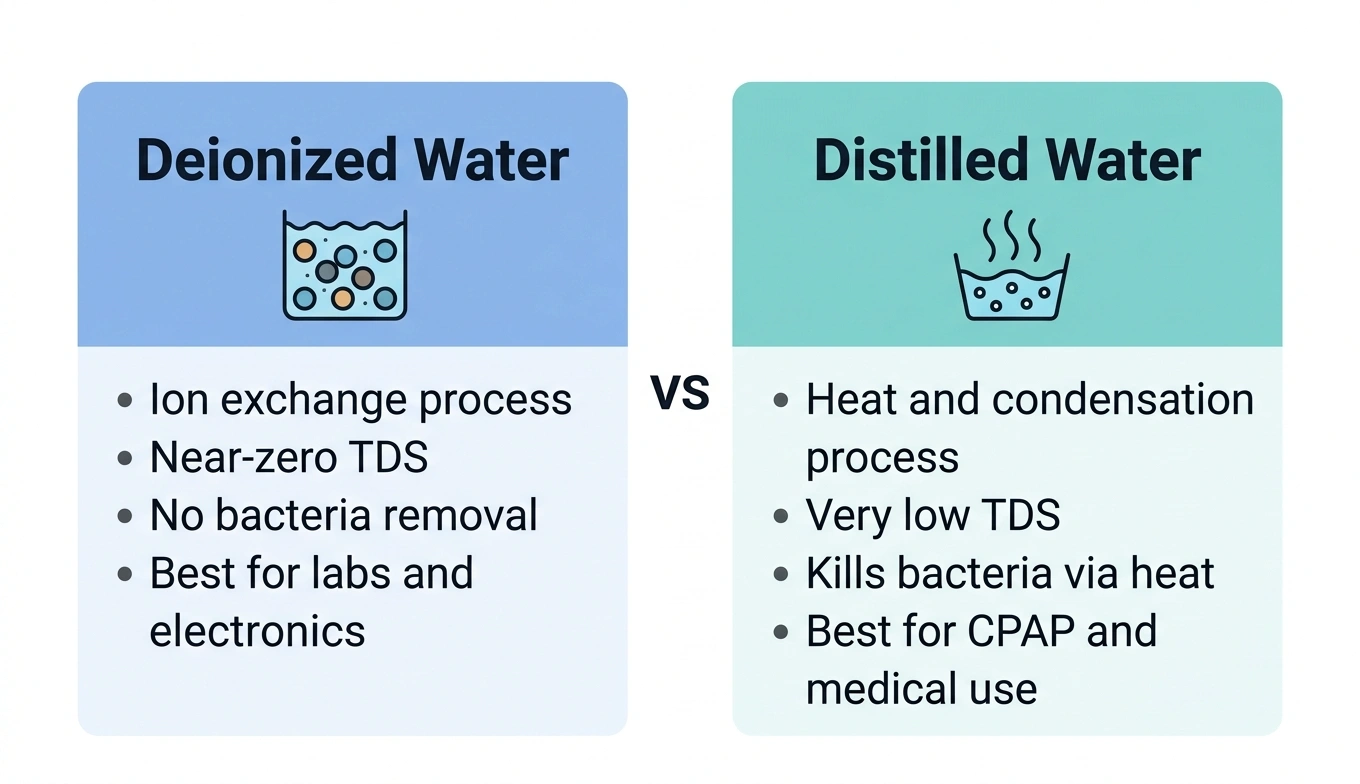
Distilled water is the OG of the water world. It's been around since ancient times, with the Romans using it to purify water. The process? Heat water until it turns into steam, then cool it back down. Boom! Distilled water. It's basically H2O in its purest form, stripped of all minerals and impurities.
Must Read
Deionized: The New Kid on the Block
Deionized water, on the other hand, is a relative newcomer. It's been around since the mid-20th century, thanks to some clever scientists who figured out how to zap water with electricity to remove minerals and impurities. It's like distilled water's cooler, more tech-savvy cousin.
So, What's the Big Deal?
You might be thinking, "Okay, they're both super pure, so what's the big deal?" Well, here's where things get interesting. While they're both pure, they've got different vibes, and that can make a difference in how they behave.
Minerals: The Party Crashers
Distilled water is like the life of the party, ready to mingle with anything. But it's also a bit of a loner. It doesn't have any minerals, so it can't conduct electricity or help with digestion like other waters. It's also a bit of a rebel, leaching minerals from things it comes into contact with, like your teeth or your pipes.
Deionized water, however, is more of a wallflower. It's still pure, but it's got a bit of a spark, thanks to the tiny electrical charge it retains from the deionization process. This means it doesn't leach minerals like distilled water, but it also doesn't conduct electricity as well. It's like the friend who's always there for you, but doesn't steal the spotlight.
Why Should You Care?
Now, you might be wondering why any of this matters. After all, water's water, right? Well, not quite. The type of water you use can make a difference, depending on what you're using it for.
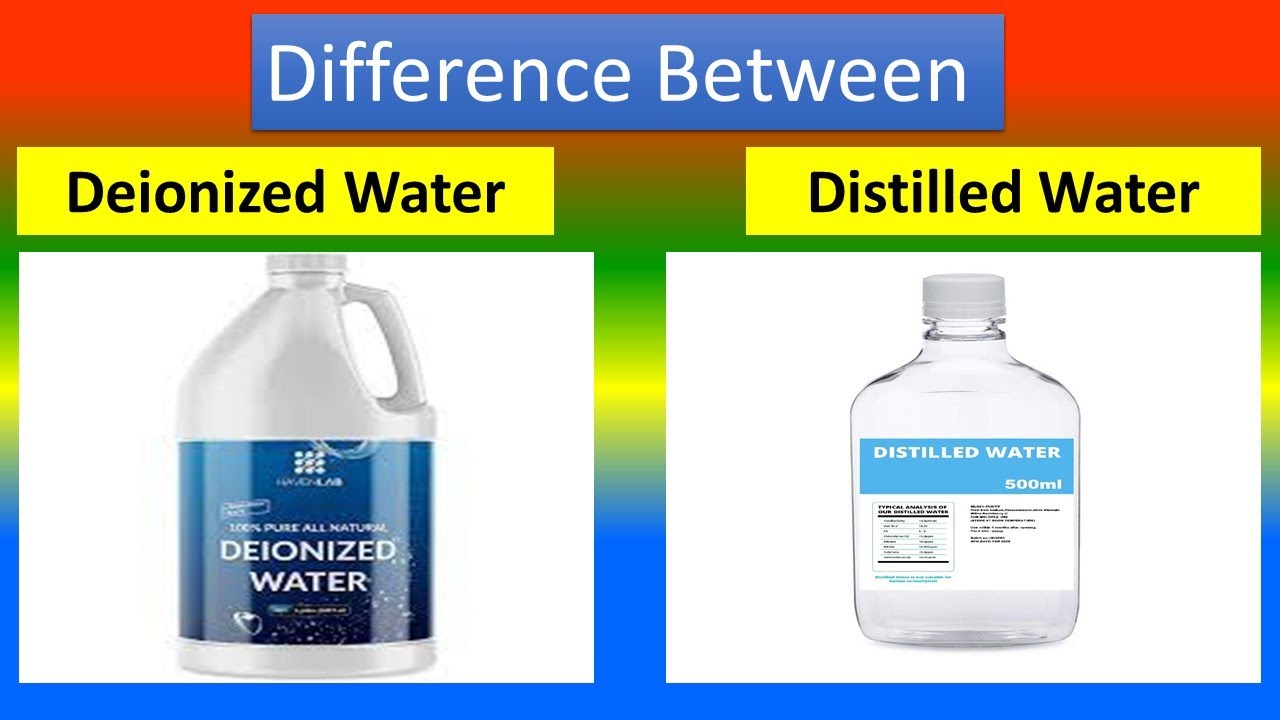
For instance, if you're making coffee, you might want to use distilled water. The lack of minerals means it won't interfere with the flavor. But if you're watering your plants, deionized water might be a better bet. It won't leach minerals from the soil, keeping your plants happy and healthy.
And if you're into science experiments, you'll want to choose based on what you're trying to achieve. Distilled water is great for experiments where you need pure water, but deionized water might be better for things like electrochemistry, thanks to that tiny electrical charge.
So, Which is Better?
Here's the thing: neither is universally "better." It depends on what you're using it for. Both have their pros and cons, and both have their places in the water world. It's like choosing between your favorite pair of jeans and your favorite t-shirt - they're both great, but you wear them for different occasions.
So, next time you're in the drinks aisle, squinting at labels, remember: deionized and distilled water are like those quirky, distant cousins. They're both pure, but they've got their own unique vibes. And that's what makes the water world such a fascinating place!
Stay thirsty for knowledge, my friends!