
Does Cotton Need To Be Replanted Every Year

Ever wondered why your favorite cotton t-shirt seems to last forever, but your garden's cotton plants don't? It's all about the type of cotton and how we cultivate it. Let's dive into the world of cotton, where fashion meets farming.
Cotton: The Plant That Keeps on Giving
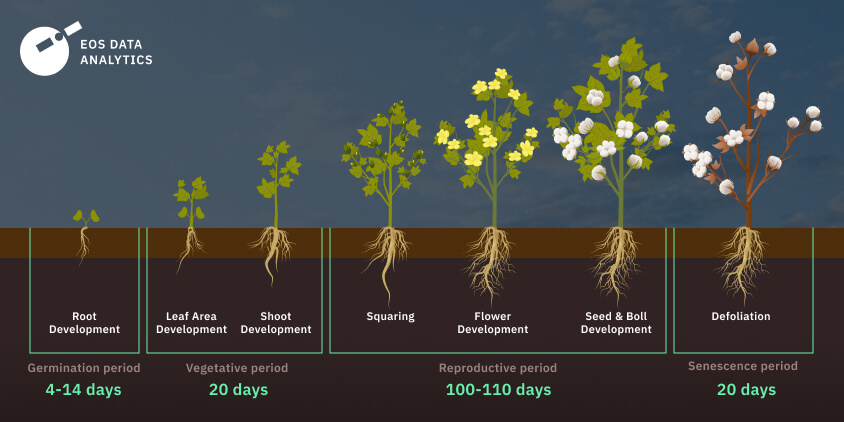
Cotton is a short-staple plant, meaning it has short fibers that grow close to the seed. These plants are annuals, completing their life cycle in one growing season. That's why they need to be replanted every year. But here's a fun fact: did you know that cotton was one of the first plants to be spun into fiber and woven into cloth by humans, dating back to around 3000 BC? Talk about a timeless classic!
Now, let's talk about the different types of cotton. There's Upland cotton, which is the most common type and makes up about 90% of the world's cotton production. It's the one you'll find in your everyday clothing. Then there's Pima cotton, known for its extra-long staple fibers, which make it softer and more durable. But guess what? Both types need to be replanted annually.
Must Read
Why Replanting Matters
Replanting cotton every year is crucial for a few reasons. First, it helps control pests and diseases. Many pests and diseases can overwinter in cotton plants, so replanting helps break this cycle. Plus, rotating crops helps maintain soil health and fertility. It's like giving your garden a well-deserved vacation!
But here's where it gets interesting. In some parts of the world, like India and Pakistan, farmers use a system called 'cotton-wheat rotation'. They plant cotton one year and then switch to wheat the next. This not only helps control pests and diseases but also provides farmers with a diverse income stream. It's like having a side hustle in your garden!
Cotton's Cultural Impact
Cotton has been a significant part of human culture for thousands of years. It's been used to make everything from clothing to currency. In fact, the term 'buck' for dollars comes from the buckskin bags used to transport cotton bales in the 18th century. And let's not forget about the famous cotton gin, invented by Eli Whitney in 1793. It revolutionized the cotton industry and played a significant role in the American economy.
Today, cotton is still a major player in the global fashion industry. It's used in everything from t-shirts to high-end designer clothing. And while fast fashion has taken a toll on the environment, many brands are now focusing on sustainability and ethical practices. It's a promising step towards a more responsible future for cotton.
Practical Tips for Cotton Care
Now that you know a bit more about cotton, here are some tips to help you care for your cotton clothes and plants:
- Wash in cold water to preserve the fabric's natural fibers and prevent shrinkage.
- Avoid overloading your washing machine to prevent damage to the fibers.
- Dry naturally whenever possible to reduce energy consumption and maintain the fabric's quality.
- For your garden, rotate your crops to maintain soil health and control pests and diseases.
- Consider companion planting with cotton. It grows well with beans, corn, and squash, among others.
Reflecting on Daily Life
From the clothes we wear to the food we eat, cotton is a part of our daily lives. It's a reminder of the interconnectedness of everything around us - from the clothes on our backs to the soil beneath our feet. So, the next time you put on your favorite cotton t-shirt, take a moment to appreciate the journey it's been on. And remember, every time you replant your garden, you're not just growing plants - you're growing a piece of history.