
Emulsifier Agent To Mix Oil And Water
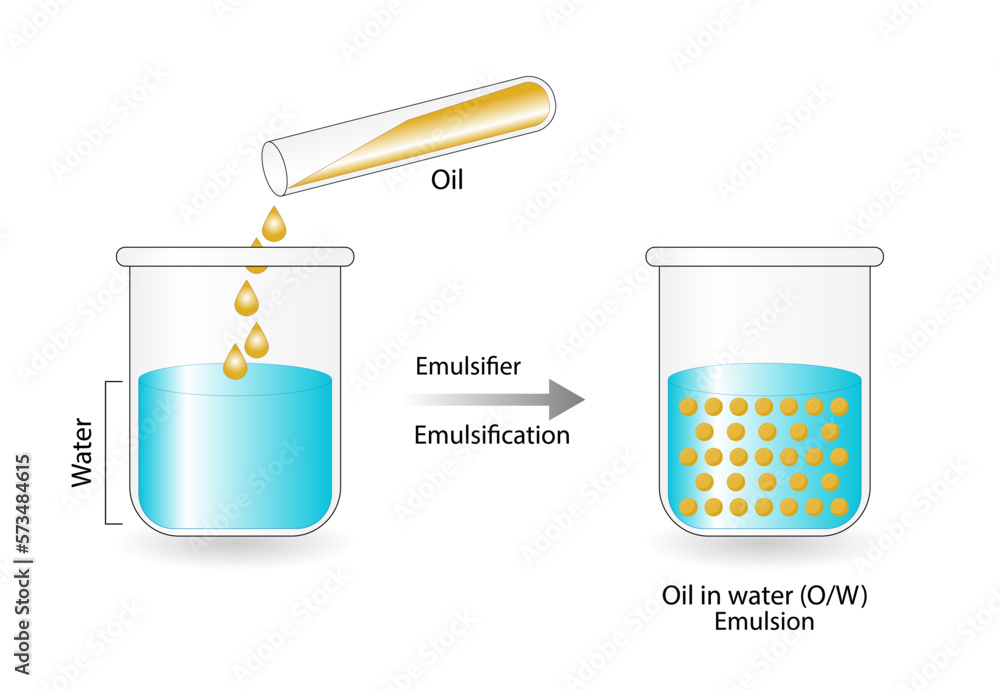
Shake, Don't Stir: The Magic of Emulsifiers
Ever wondered how your favorite salad dressing doesn't separate into oil and vinegar, or how your moisturizer keeps its creamy consistency? The secret lies in a group of unsung heroes of the culinary and cosmetic worlds - emulsifiers.
What's the Deal with Oil and Water?
You've probably heard that oil and water don't mix. That's because they're polar opposites - oil is hydrophobic (water-fearing), and water is hydrophilic (water-loving). But with a little help from emulsifiers, they can become the best of friends.
Emulsifiers are surfactants, meaning they have both hydrophilic and hydrophobic properties. They act as a bridge, helping oil and water molecules to combine and stay combined, creating a stable mixture called an emulsion.
Must Read
Emulsifiers in Action
In the kitchen, emulsifiers are behind the scenes in many of our favorite dishes. They're what make mayonnaise creamy, ice cream smooth, and cake batter homogeneous. In the cosmetic industry, they're the backbone of lotions, creams, and foundations, ensuring a smooth, even application.
Take lecithin, for example. Found in egg yolks and soybeans, it's a natural emulsifier that's been used for centuries. It's what gives hollandaise sauce its velvety texture and helps keep chocolate from separating into cocoa powder and oil.
Emulsifiers in Pop Culture
Emulsifiers have even made it to the big screen. Remember the scene in "The Hundred-Foot Journey" where the protagonist's father uses a whisk to make mayonnaise? That's emulsification in action! And who could forget the iconic scene in "Silence of the Lambs" where Hannibal Lecter describes a human liver as "a fine wine, an Aosta Barolo, a great vintage..."? Well, that's an emulsion too - the fat in the liver is emulsified with the watery parts.
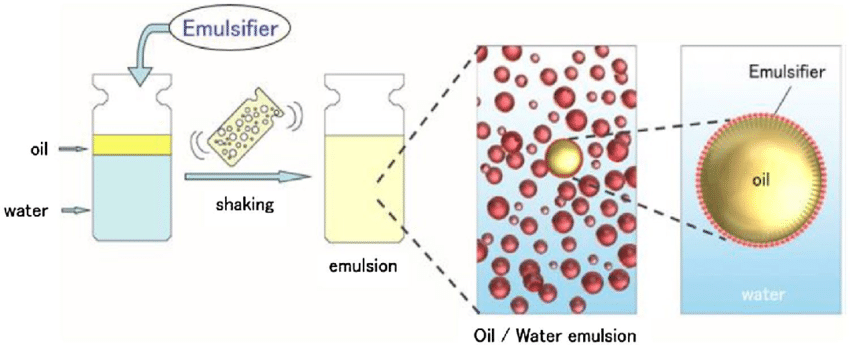
Practical Tips for Emulsification
Want to try your hand at emulsification at home? Here are a few tips:
- Use the right emulsifier for the job. Some, like lecithin, are better for food, while others, like cetearyl alcohol, are more suited to cosmetics.
- Heat gently. Emulsifiers work best when they're warm. But be careful not to overheat, as this can break the emulsion.
- Mix thoroughly. Use an immersion blender or a whisk to ensure a homogeneous mixture.
- Store properly. Emulsions can separate over time, so store them in the fridge or at room temperature, depending on the recipe.
Fun Fact: Emulsions in Nature
Emulsions aren't just man-made. They occur naturally too. Milk is an emulsion of fat globules in water, stabilized by proteins and other surfactants. And when you see a rainbow, you're seeing an emulsion of water droplets in air, with the different colors resulting from the different sizes of the droplets.
Emulsifiers: The Unsung Heroes of Everyday Life
From our kitchens to our medicine cabinets, emulsifiers are working behind the scenes to make our lives a little smoother, a little creamier, a little more enjoyable. So the next time you reach for the mayo or slather on some lotion, take a moment to appreciate the magic of emulsifiers.
After all, they're not just mixing oil and water - they're bringing together the best of both worlds.