
Ethical Guidelines For Online Identity Verification

Verifying Your Online Identity: A Walk Through the Digital Minefield
Ever felt like you're in an episode of Catfish, trying to figure out if that 'hot doctor' you've been chatting with is actually your grandma in a wig? Welcome to the wild world of online identity verification, folks!
Why Verify, You Ask?
Imagine online verification is like going to a fancy dress party. You wouldn't want just anyone showing up as you, right? (I mean, have you seen some of the costumes people wear? No offense, but you're better than that.)
In the digital world, verifying your identity is like making sure you're the only one wearing your awesome costume. It's about security, trust, and ensuring that the person on the other side of the screen is who they claim to be. No catfish allowed!
Must Read
So, What's the Deal with These Ethical Guidelines?
You might be thinking, "Okay, I get it. But what's all this fuss about ethical guidelines? Can't I just use my mom's maiden name and call it a day?"
Well, sure, you could. But then you'd be like that kid in school who always cheated on tests. Everyone knows you're doing it, and no one likes you for it. Plus, you might end up with a big, fat 'F' on your digital report card.
Respecting Privacy: The Golden Rule
Imagine you're at a party, and someone starts asking you super personal questions out of the blue. You'd probably tell them to back off, right? The same goes for online identity verification.
Ethical guidelines are like the party host, making sure no one's being too pushy. They remind us to only ask for information we really need. No asking for your mom's bra size just because you can, okay?
Keeping It Secure: The Fort Knox of Data
Remember when you were a kid, and you had that super-secret hiding spot for your toys? You'd swear up and down that no one could ever find it. Then your little brother would waltz in and snatch your favorite action figure right out from under your nose.
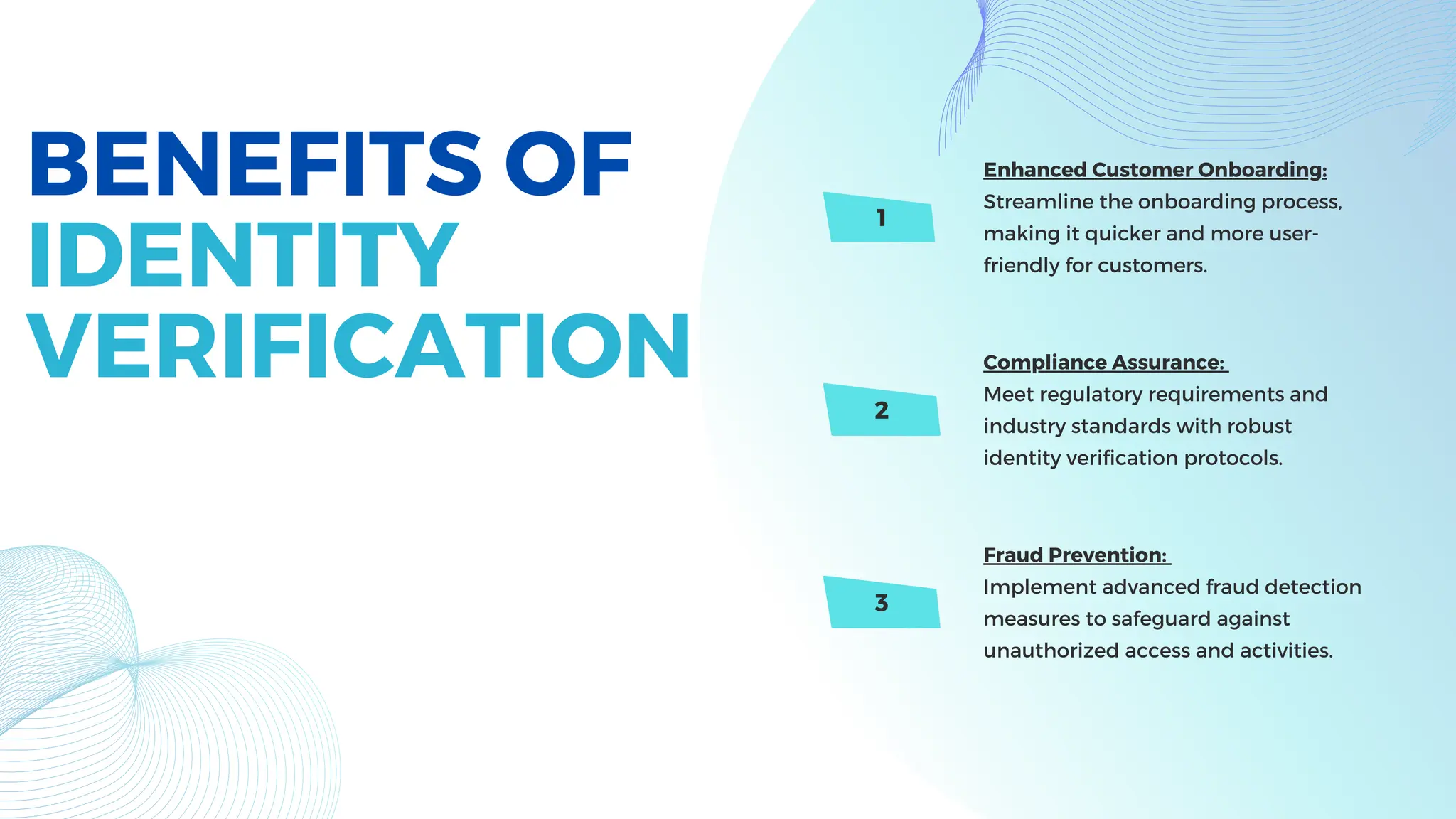
Online identity verification is like that hiding spot. You want to make sure it's secure, so no one can waltz in and steal your personal info. Ethical guidelines help us keep our data safe, using strong encryption and secure storage. No more little brothers stealing your digital action figures!
Being Transparent: The Honesty Policy
You know how some people are all shady and secretive? They never tell you what they're really up to, and it's super annoying. Well, ethical guidelines are like the opposite of that.
They make sure we're all upfront about what we're doing with your personal info. No hidden agendas, no sneaky data sharing. It's like having a friend who always tells you exactly what they're thinking. Sometimes it's TMI, but at least you know where you stand.
Respecting Consent: The 'Ask First' Rule
Remember when you were a teenager, and you'd just barge into your sibling's room without knocking? Then you'd see something you shouldn't have, and suddenly you're the one in trouble?
Ethical guidelines are like knocking first. They remind us to always ask for consent before using someone's personal info. No barging in, no sneaky peeks. It's about respect and boundaries, people!
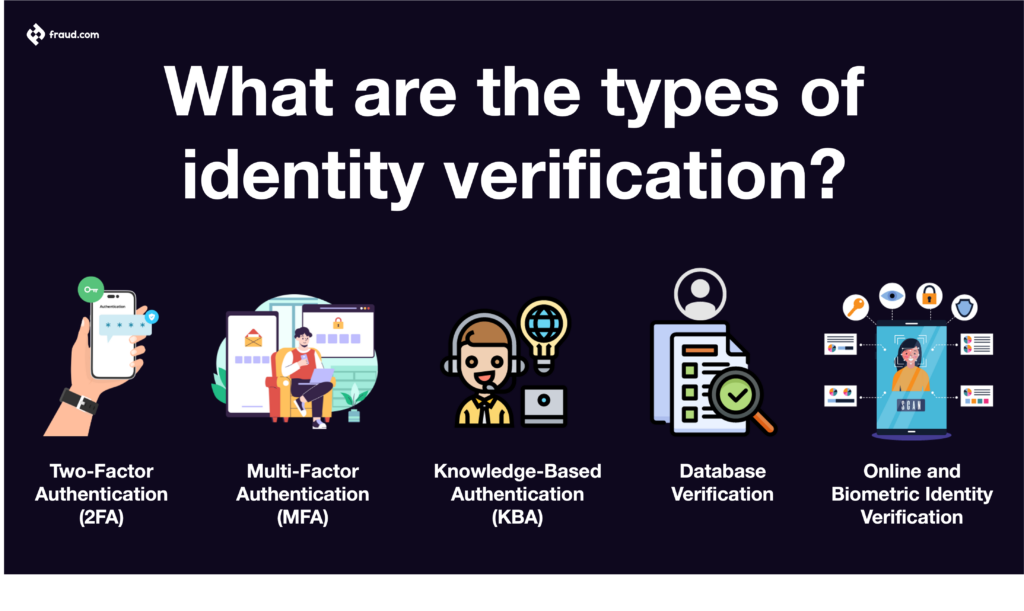
When in Doubt, Err on the Side of Caution
You know how sometimes you're not sure if you should tell that joke or not? You're like, "Eh, it's probably fine. No one will get offended, right?" Then you tell it, and suddenly you're in the middle of an HR nightmare.
When it comes to online identity verification, it's better to err on the side of caution. If you're not sure if something is ethical or not, don't do it. There's no need to turn your digital party into an HR nightmare.
And Remember, It's Okay to Say 'No'
You know how sometimes you're at a party, and someone offers you a weird-looking drink? You're not sure what's in it, but you know you shouldn't drink it. So you say 'no', and suddenly you're the hero of the night because that drink was laced with something crazy.
In the world of online identity verification, it's okay to say 'no'. If someone's asking for too much personal info, or making you feel uncomfortable, it's okay to walk away. Your digital safety is more important than any party favor.
So there you have it, folks. Online identity verification might seem like a minefield, but with these ethical guidelines, you'll be navigating it like a pro. Now go forth, verify your identity, and have a fantastic time in the digital world. Just remember: no catfishing, no sneaky data sharing, and always knock first!