
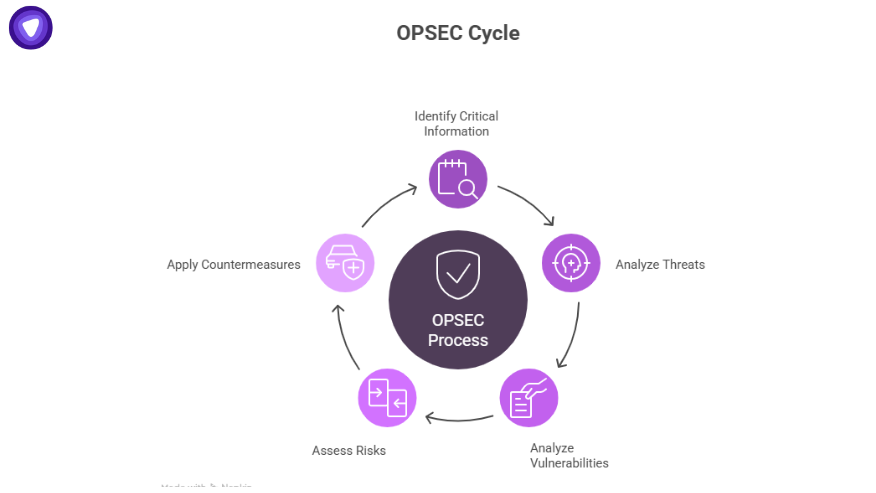
Opsec Is A Cycle Used To Identify Analyze And Control
Ever felt like you're in a spy movie when you're just trying to log into your bank account? You're not alone! In our connected world, staying safe online is like having a secret agent inside your computer. That's where OpSec comes in, and no, it's not a fancy new dance move.
What's OpSec, you ask?
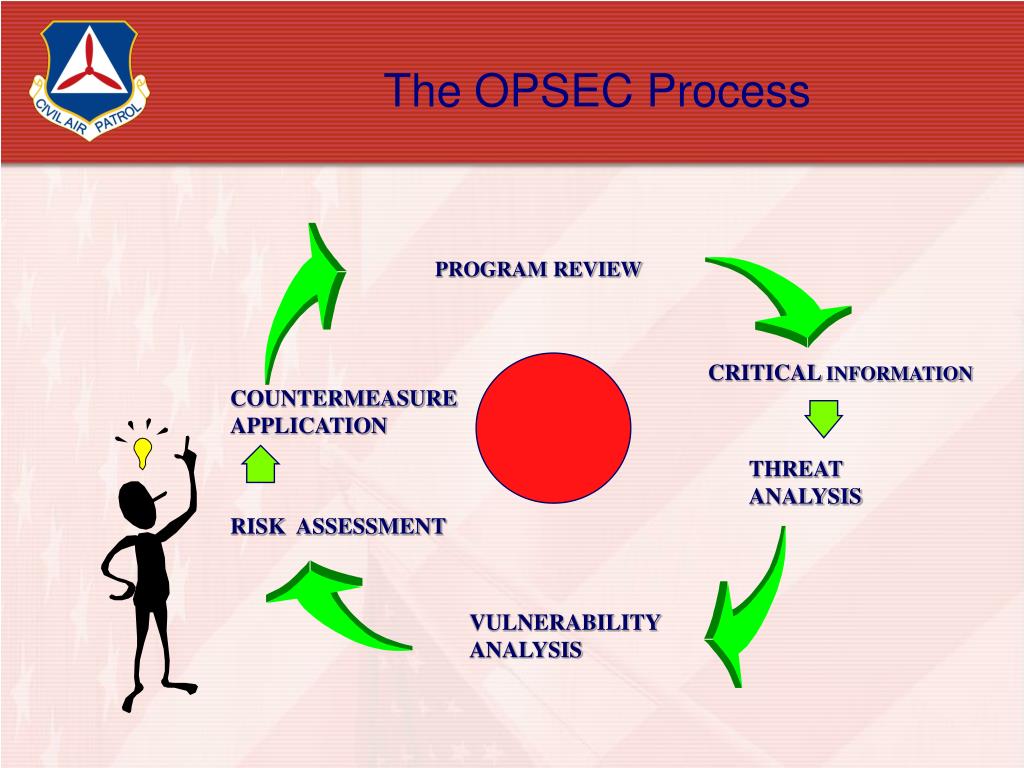
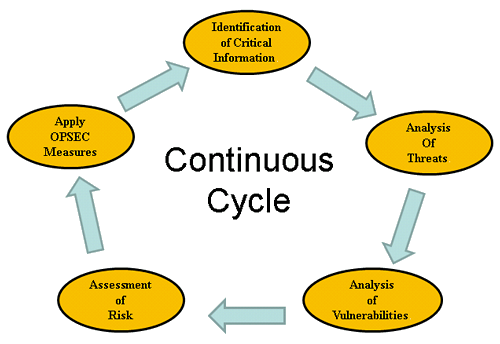
OpSec, short for Operational Security, is like your online bodyguard. It's a cycle that helps you identify, analyze, and control risks to keep your digital life safe. Imagine it's like a game of whack-a-mole, but instead of moles, it's potential threats to your privacy.
Identify: The Detective Phase
Picture this: You're at a party, and you've just met someone new. They seem nice, but you're not sure if they're trustworthy. So, you start asking questions, observing their behavior. That's what identifying threats in OpSec is like. You're the detective, gathering clues about who or what could potentially harm your online security.
Must Read
For example, you might be wondering, "Is this website legit?" or "Should I accept this friend request?" Identifying threats could be as simple as asking yourself, "Does this link look fishy?"
Analyze: The Sherlock Phase
Now that you've gathered your clues, it's time to put on your Sherlock Holmes hat and analyze the situation. This is where you decide if the threat is real or just a red herring. In the party example, you might be asking, "Do they have any mutual friends I trust?" or "Have they been acting strangely?"
In the digital world, analyzing might mean checking if a website's URL matches the one in your browser's address bar, or if that friend request is from a verified account. It's all about using your brain and a bit of common sense.
Control: The Action Hero Phase
You've identified the threat, analyzed the situation, and now it's time to take action. This is the control phase, where you decide what to do to mitigate the risk. In our party example, you might decide to keep your distance from that suspicious person. In the digital world, controlling the threat could mean not clicking on that dodgy link, or declining that sketchy friend request.
But remember, control isn't just about avoiding threats. It's also about taking proactive steps to protect your online security. This could mean using strong, unique passwords, enabling two-factor authentication, or keeping your software up to date.

Why Should You Care?
You might be thinking, "This all sounds like a lot of work. Why should I bother?" Well, let me tell you a little story.
Meet Sarah. Sarah loves online shopping. One day, she gets an email from her favorite store with a special offer. She clicks the link, enters her details, and boom! Her credit card is suddenly maxed out with charges she didn't make. Why? Because the email was a phishing scam, designed to trick her into giving away her personal information.
Now, imagine if Sarah had just taken a moment to identify, analyze, and control the threat. She could have checked if the email address matched the store's official one. She could have hovered over the link to see if it was going to take her where it said it was. She could have, but she didn't, and she paid the price.
That's why you should care about OpSec. Because it's not just about protecting your data, it's about protecting your money, your identity, and your peace of mind. It's about making sure that when you're online, you're the one in control, not some sneaky hacker.
So, How Do You Get Started?
OpSec might sound complicated, but it's not. It's just about being aware, being careful, and being proactive. It's about using your common sense and your brain. It's about treating your online life with the same care and respect you'd give to your offline life.

Here are a few tips to get you started:
- Be Skeptical: If something seems too good to be true, it probably is. Don't click on suspicious links or download files from unknown sources.
- Use Strong Passwords: Make your passwords long, complex, and unique. Use a password manager if you have to. And for goodness' sake, don't use "password123"!
- Keep Your Software Up to Date: Updates often include security patches. So, don't ignore those update notifications!
- Enable Two-Factor Authentication: This adds an extra layer of security to your accounts. Even if someone gets your password, they won't be able to log in without that second factor.
Remember, OpSec is a cycle. It's not something you do once and then forget about. It's a continuous process of identifying, analyzing, and controlling threats. But don't worry, it gets easier with practice. Soon, you'll be whacking those moles like a pro!
So, go on. Be your own secret agent. Protect your digital life. Because you deserve to surf the web with a smile on your face, not a worried frown.