
How To Allow 3rd Party Cookies On Mac
So, there I was, minding my own business on my trusty Mac, when I stumbled upon this delightful little website. I mean, who doesn't love a good cat video, right? But oh, the horror! A pop-up appeared, saying something about cookies. Now, I'm all for a good treat, but not when it's from some random website. I clicked 'No, thanks', and just like that, the cat videos were gone. Poof! Vanished into the digital ether. I was left wondering, "What just happened? And how do I get my cat videos back?"
Turns out, those pesky cookies were actually blocking my access to the website. And here I was, thinking they were just little sweet treats. Silly me! So, I decided to dive into the world of cookies - the digital kind, that is. And guess what? I found out that allowing third-party cookies on my Mac was the key to unlocking all those cat videos (and more).
Understanding the Cookie Jar
Before we dive into the how-to, let's get one thing straight. Cookies aren't just for baking anymore. In the digital world, cookies are small text files that websites use to remember information about your visit. They can store your preferences, login status, or even track your browsing activity. Now, don't go getting all privacy-invaded on me just yet. We're only interested in the ones that let us see our cat videos.
Must Read
There are two types of cookies: first-party and third-party. First-party cookies are set by the website you're visiting. They're like the cookies you bake at home - they're safe, and you know what's in them. Third-party cookies, on the other hand, are set by other websites. They're like the cookies your neighbor brings over - you're not sure what's in them, but they can still be pretty darn delicious.
Why Allow Third-Party Cookies?
You might be wondering, "Why on earth would I want to allow these mysterious third-party cookies onto my Mac?" Well, my friend, it's all about the perks. Third-party cookies can help websites remember your preferences, improve your browsing experience, and even personalize ads. Yes, I said it - ads. But don't worry, we're not talking about those annoying pop-ups. We're talking about the kind that make sure you're not seeing cat videos about dogs (although, let's be real, who doesn't love a good dog video?).
Now, I know what you're thinking. "But what about my privacy?" Well, that's a valid concern. But here's the thing: most websites use third-party cookies responsibly. And if you're not comfortable with it, you can always adjust your settings to limit their use. We'll get to that later.
How to Allow Third-Party Cookies on Your Mac
Alright, enough with the cookie talk. Let's get down to business. Here's how you can allow third-party cookies on your Mac:
Using Safari
1. Open Safari and click on the 'Safari' menu at the top left of your screen.
2. Select 'Preferences' from the dropdown menu.
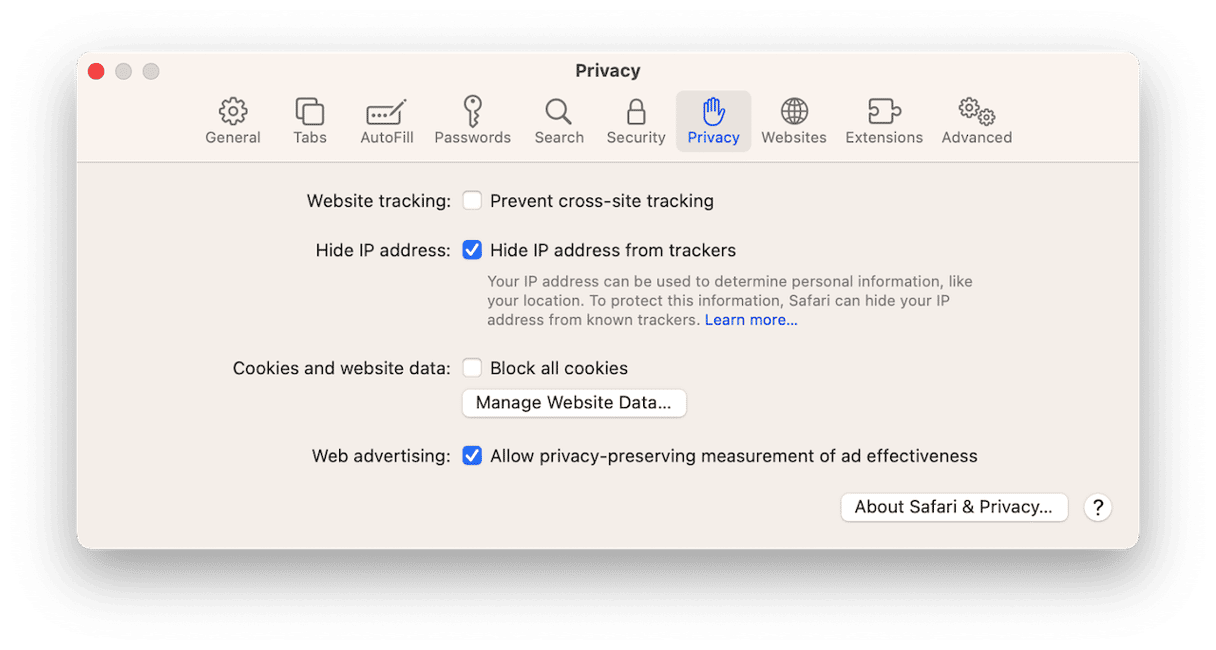
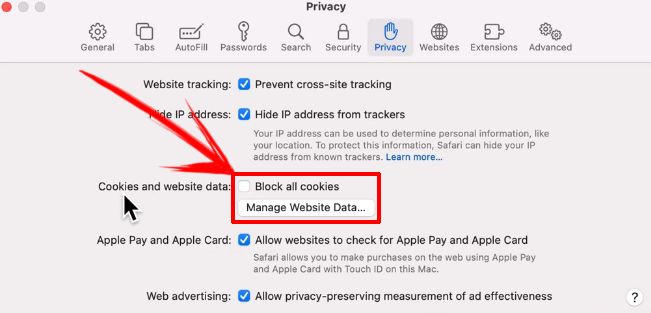
3. Click on the 'Privacy' tab, then select 'Cookies and website data'.
4. Here, you'll see a few options. If you want to allow all cookies, select 'Allow from websites I visit'. If you want to be a bit more selective, choose 'Allow from current website only'.
5. If you want to see which websites have stored cookies on your Mac, click on 'See all websites'. Here, you can choose to remove any cookies you're not comfortable with.
Using Google Chrome
1. Open Google Chrome and click on the three dots (⋮) in the top right corner of your browser.
2. Select 'Settings' from the dropdown menu.
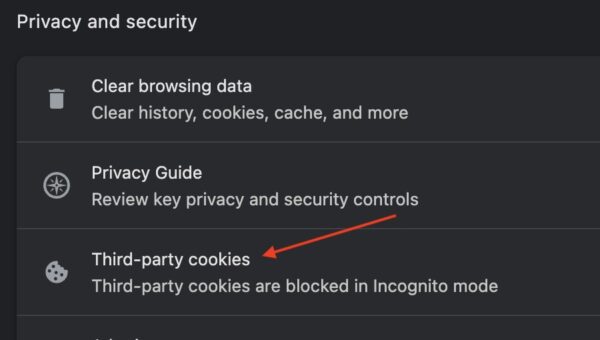
3. Scroll down and click on 'Privacy and security', then select 'Cookies and other site data'.
4. Here, you can choose to allow all cookies, block all cookies, or have Chrome ask you each time a website wants to set a cookie.
Using Firefox
1. Open Firefox and click on the three lines (☰) in the top right corner of your browser.
2. Select 'Options' from the menu.
3. In the 'Privacy & Security' section, scroll down to the 'Cookies and Site Data' heading.
4. Here, you can choose to accept cookies from websites, or have Firefox block them all together.
Keeping Your Cookies Safe
Now, I know what you're thinking. "Great, now I've opened the floodgates to all these cookies. How do I keep my Mac safe?" Well, my friend, it's all about balance. Here are a few tips to keep your cookies (and your Mac) safe:
- Keep your browser up to date. This ensures that you have the latest security features and patches.
- Be cautious of public Wi-Fi. Avoid logging into sensitive accounts on public Wi-Fi networks, as they can be less secure.
- Use a reputable antivirus software. This can help protect your Mac from malware and other threats.
- Regularly clear your cookies. This can help free up space on your Mac and protect your privacy. You can do this manually, or use a tool like CleanMyMac to do it for you.
And there you have it! You're now a cookie connoisseur, ready to navigate the digital world with confidence. So go forth, my friend, and enjoy your cat videos (and maybe even some dog ones, too). Just remember, with great cookies comes great responsibility. Happy browsing!