
Art After World War 1

From Shattered Canvas to Bold New Brushstrokes: Art in the Wake of WWI
Picture this: the roaring '20s, jazz music spilling onto the streets, and a world eager to dance away the horrors of the Great War. The art scene, much like the world itself, was ready for a change. It was time to bid farewell to the old masters and embrace something fresh, something raw.
Fauvism: The Wild Bunch
Enter the Fauves, or 'wild beasts' in French. These artists, led by Henri Matisse, were all about bold colors and expressive brushstrokes. They painted with abandon, letting their emotions guide their hands. It was a far cry from the realistic portraits and landscapes that had dominated art up until then.
Think of it like this: Fauvism was the art world's equivalent of jazz music. Both were breaking away from tradition, experimenting with form, and creating something entirely new and exhilarating.
Must Read
Cubism: Seeing in a New Light
Meanwhile, Pablo Picasso and Georges Braque were busy redefining perspective. Cubism, their brainchild, presented objects from multiple viewpoints at once. It was like looking at a puzzle where every piece was a different angle of the same subject.
Imagine trying to solve a jigsaw puzzle where the pieces are all jumbled up and you can't see the box cover. That's what Cubism was like - challenging, confusing, and utterly fascinating.
Dada: Nonsense for the Sake of Art
Then there was Dada, a movement born out of the chaos of war. These artists, like Marcel Duchamp, embraced the absurd and the irrational. They believed that if the world was senseless, then art should be too.
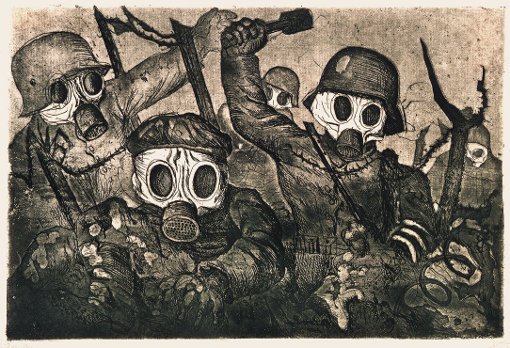
Dada was like the class clown of the art world, always ready with a prank or a pun. It was a reminder that sometimes, the best way to make sense of the world is to embrace the nonsense.
Art Deco: Glamour in the Age of Industry
As the '20s rolled on, another style emerged, one that reflected the glamour and opulence of the era. Art Deco was all about geometric shapes, bold colors, and luxurious materials. It was the art of the machine age, celebrating the beauty of industry and technology.
Think of it as the art world's version of the Roaring '20s - glamorous, exciting, and full of new possibilities.

Bringing It Home: Art in Your Daily Life
So, what does all this have to do with your daily life? Well, for starters, it's a reminder that art has the power to reflect and shape our world. It's a mirror held up to society, showing us our joys, our sorrows, and everything in between.
And who knows? Maybe the next time you're feeling stuck in a rut, you could take a cue from the Fauves and paint your way out. Or maybe you'll find inspiration in the puzzles of Cubism, seeing your world from a new perspective. Or perhaps you'll embrace the absurdity of Dada, finding joy in the little things that don't make sense.
Either way, the art of the post-WWI era shows us that there's no one 'right' way to create or to see the world. So go ahead, express yourself, experiment, and have fun. After all, as the Dadaists would say, 'Anything is art, if you say it is.'