
Difference Between Synthetic And Analytic Cubism

Cubism: A Tale of Two Styles
Imagine you're at a bustling art gallery, sipping on your complimentary prosecco, and suddenly, you're face-to-face with a cubist painting. Your brain does a double-take. 'What on Earth is going on here?' you wonder. Well, my friend, you've just stumbled upon one of the most influential art movements of the 20th century. Let's dive into the fascinating world of cubism and explore the difference between its two main styles: synthetic and analytic.
Analytic Cubism: The Birth of a Movement
Picture this: it's 1907, and Pablo Picasso and Georges Braque are hanging out in Paris, shaking up the art world like a couple of mischievous martinis. They start playing around with perspective, breaking down forms into geometric shapes, and voila - analytic cubism is born.
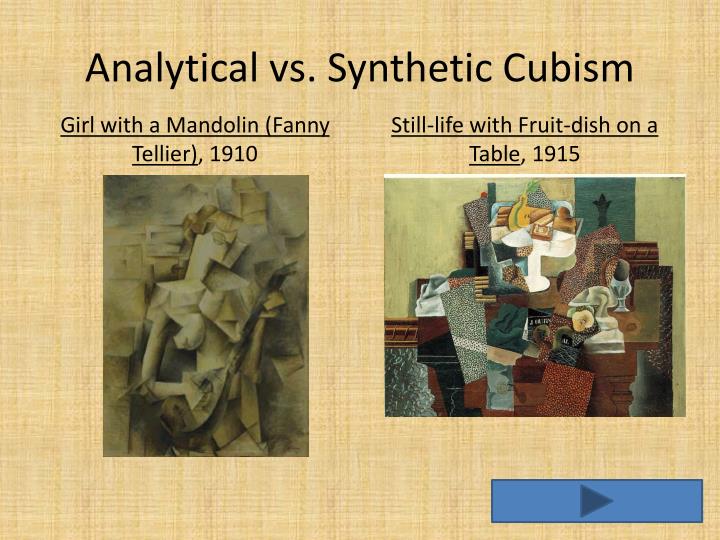
Analytic cubism is all about analysis, as the name suggests. It's like Picasso and Braque are taking apart everyday objects and figures, examining them from multiple angles, and putting them back together in a way that's both abstract and eerily recognizable. Think of it as the art world's equivalent of taking apart a vintage radio to see how it works.
Must Read
Fun fact: Picasso and Braque were so tight that they developed a secret language of symbols and abbreviations to use in their paintings. Talk about a bromance!
Synthetic Cubism: Adding Some Sparkle
Now, fast forward a few years to 1912, and cubism is evolving again. Picasso and Braque start incorporating collage elements into their paintings, using materials like newspaper clippings, wallpaper, and fabric. They're not just breaking things down anymore; they're building them up. Enter synthetic cubism.

Synthetic cubism is all about synthesis - combining different materials and techniques to create something entirely new. It's like Picasso and Braque are cooking up a delicious cubist stew, throwing in all sorts of ingredients and creating a vibrant, colorful masterpiece.
Did you know that synthetic cubism had a major influence on the Harlem Renaissance? Artists like Romaine Bearden and Jacob Lawrence were inspired by its collage techniques and use of color.
Practical Tips for Appreciating Cubism
So, you're at the gallery, staring at a cubist painting, and you're feeling a little lost. Here are some tips to help you appreciate these masterpieces:
- Take your time. Cubism is like a puzzle, and the more time you spend with it, the more you'll see.
- Look for the familiar. Even in all the geometric chaos, you'll find hints of everyday objects and figures.
- Consider the context. Knowing a bit about the artist's life and the historical period can add depth to your understanding.
- Embrace the weirdness. Cubism is all about challenging our perceptions of reality. So, let go, and enjoy the ride!
Cubism in Daily Life
You might be thinking, 'That's all well and good, but what does cubism have to do with my daily life?' Well, my friend, cubism has seeped into our culture in more ways than you might think. From graphic design to fashion, cubism's influence is everywhere.
Next time you're looking at a bold, graphic print on a t-shirt or a poster, remember that you're seeing a little bit of cubism in action. And when you're trying to figure out how to assemble that tricky IKEA furniture, you're essentially engaging in a bit of analytic cubism yourself - breaking down the problem to solve it.
So, go forth, embrace the cubist spirit, and see the world from a new perspective. After all, as Picasso once said, "Art is a lie that makes us realize truth." And cubism is the ultimate lie that makes us see the world in a whole new light.