
How To Light A Sculpture For Maximum Visual Impact
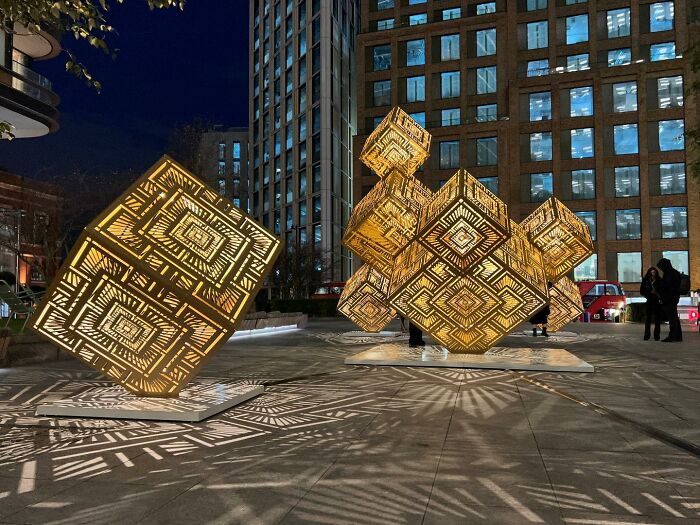
Alright, gather 'round, gather 'round! I've got a tale to tell about light and sculpture, and it's not just any old story. It's the kind of story that'll make you look at your local museum or even your garden gnome in a whole new light. Pun intended.
First things first: Why bother lighting sculptures at all?
Well, my friends, it's not just about making sure your grandma can see the statue of David without bumping into it in the dark. No, no, no. It's about drama, about mood, about making your sculpture the star of the show. It's like lighting a candle for a romantic dinner - it's not about illuminating the whole room, it's about setting the mood.
Let's talk basics: Types of lights
Now, you've got your options. You've got your incandescent lights, which are like the grandpas of the lighting world - they've been around forever, they're warm and cozy, but they're not the most efficient. Then you've got your LED lights, which are like the millennials - they're energy-efficient, they last forever, but they can be a bit cold if you're not careful.
Must Read
And don't forget about fiber optics! They're like the cool cousin who always shows up with the most interesting stories. They can bring light from far away, like a magical glowing umbilical cord. But they're a bit more complicated to set up, so they're not for the faint of heart.
Now, let's get to the fun part: Techniques!
Uplighting: The Hollywood of lighting
You know how they light up the Eiffel Tower at night? That's uplighting, baby! It's like giving your sculpture a spotlight, making it the star of the show. It's great for tall, thin sculptures, or for creating a dramatic effect. But be careful - too much uplighting can make your sculpture look like it's levitating, which might be cool for a sci-fi movie, but not so much for your local park.

Backlighting: The mysterious stranger
Backlighting is like the mysterious stranger in a noir film. It's all about silhouettes, about creating a sense of mystery. It's perfect for sculptures with interesting shapes or cut-outs. But be careful - too much backlighting can make your sculpture look like a shadowy figure in a horror movie, which might not be the best look for your kid's birthday party.
Grazing: The artist's touch
Grazing is like the gentle brush of a paintbrush on canvas. It's all about highlighting the texture, the details of your sculpture. It's great for sculptures with interesting surfaces, like stone or metal. But be careful - too much grazing can make your sculpture look like it's got a weird skin condition, so use it sparingly.

And now, the million-dollar question: How much light is too much light?
Ah, the golden question. The answer, my friends, is: it depends. It depends on the size of your sculpture, the material it's made of, the effect you're going for. But as a general rule, less is more. You want your light to complement your sculpture, not overpower it. Remember, you're not trying to light up a football stadium, you're trying to light up a sculpture.
And here's a little pro tip for you: ever heard of the 3-1-0 rule? It's a guideline used in film lighting, but it works great for sculptures too. It says that for every three lights you use to light your subject (in this case, your sculpture), you should use one light to light the background, and none to light the foreground. It's a bit like the golden ratio, but for lighting. Give it a try, see how you like it!
And there you have it!
You're now officially a lighting guru, ready to turn any sculpture into a work of art. So go forth, my friends, and light up the world, one sculpture at a time. And remember, if all else fails, you can always just stick a glow stick on it. I mean, it's not the most sophisticated look, but hey, at least it's something, right?