
Post World War One Art
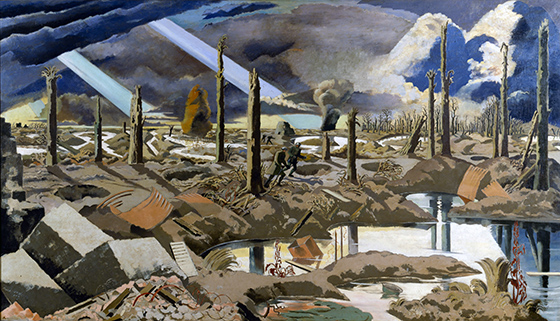
Alright, picture this: it's 1918, the Great War is over, and the world's artists are like a bunch of kids who've just been let out of detention. They've been cooped up for years, painting propaganda and designing posters, and now they're ready to let loose and create something wild.
Art Deco: The Roaring Twenties' Party Dress
So, what's the first thing they do? They throw on their fanciest glad rags and head to the nearest dance hall. That's right, the art world was ready to jazz it up, and out pops Art Deco. Think of it as the Roaring Twenties' party dress - bold, bright, and full of geometric patterns. It's like the art equivalent of a flapper dress with a fringed hem, ready to shimmy and shake.
Art Deco was everywhere. It was on the walls of skyscrapers, in the designs of furniture, and even on the sides of ocean liners. It was like the world had decided to give itself a makeover, and who could blame them? After the grim reality of the war, a bit of glitz and glamour was just what the doctor ordered.
Surrealism: The Weird Cousin at the Party
Now, while most of the art world was busy dancing the Charleston, there was a group of artists huddled in a corner, looking a bit puzzled. These were the Surrealists, and they were about to bring the party's weird cousin into the mix. Imagine Salvador Dalí, sitting there with his melting clocks, looking like he's just seen a ghost. That's Surrealism for you - it's like the art world's version of a really strange dream.
Surrealism was all about exploring the subconscious mind and the irrational. It was like taking a peek into the dark, twisted corners of your brain and saying, "Hey, let's paint that!" It was a bit like trying to make sense of your dreams while you're still half-asleep. It's no wonder it was so popular in the 1920s, when the world was still trying to make sense of the horrors of the war.
Dada: The Party Crasher
But just as the party was really getting started, in crashes Dada, the art world's equivalent of a party crasher. Dada was like the rebellious teenager who shows up to the party, knocks over the punch bowl, and says, "This is all stupid, I'm outta here." It was a reaction against the established art of the time, a big middle finger to the idea of 'high art'.
Dada was all about being anti-art, anti-war, and anti-everything. It was like the art world's punk rock phase. It was chaotic, it was noisy, and it was a bit confusing, but it sure was a lot of fun to watch.
Back to the Future
So, there you have it, a whirlwind tour of the art world post-World War One. It was a time of change, of rebellion, and of a whole lot of fun. And the best part? All these styles are still with us today. Walk into any modern art gallery, and you'll see echoes of Art Deco, Surrealism, and Dada. It's like the art world's version of a family reunion, where the weird cousin and the rebellious teenager are still causing a stir.
So next time you're looking at a painting or a sculpture, remember, you're not just looking at a piece of art, you're looking at a piece of history. You're looking at the art world's version of a wild, post-war party. And who knows, maybe you'll even spot the weird cousin or the rebellious teenager hiding in the corner.