
Why Is Kaws So Popular

Why KAWS is the Pop Culture Phenom You Can't Ignore
Ever wondered why that cute, cartoonish figure you keep seeing on streetwear, art galleries, and even high-end fashion brands is so darn popular? You're looking at the work of Brian Donnelly, better known as KAWS. This Brooklyn-based artist has taken the art world by storm, and here's why you can't escape his colorful, playful universe.
From Graffiti to Global Recognition
KAWS' journey is a classic tale of turning passion into success. As a child, he was captivated by cartoons and comic books, which later evolved into a fascination with graffiti art. In the late '90s, he began tagging his unique " Companion" character on billboards and phone booths around New York City. Little did he know, these humble beginnings would pave the way for a global artistic empire.
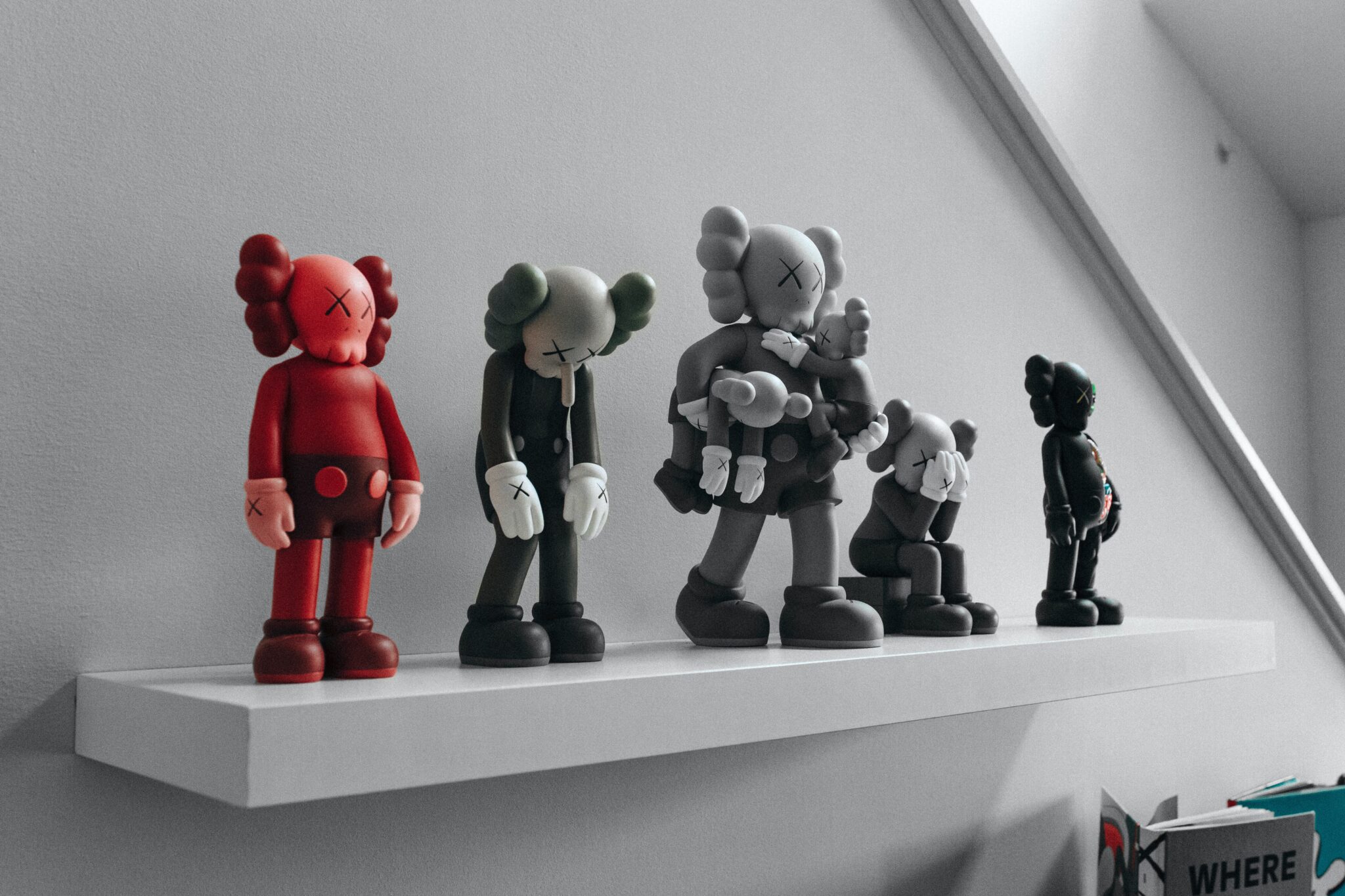
Fast forward to today, and KAWS' signature "XX" eyes and rounded forms have become instantly recognizable. His work spans across various mediums, from paintings and sculptures to toys and apparel collaborations. But what sets KAWS apart is his ability to seamlessly blend high art with pop culture, making his work accessible and appealing to a wide audience.
Pop Culture's Favorite Muse
KAWS has a knack for transforming iconic characters from our favorite movies, TV shows, and comic books into his distinct style. From Mickey Mouse to the Simpsons, SpongeBob to the Smurfs, no beloved character is safe from his whimsical, subversive touch. These reimagined figures challenge our perception of these familiar faces, adding a layer of intrigue and humor to his work.
One of KAWS' most famous pieces, "Companion," is a perfect example of this. A reworked take on Michelin Man, this cuddly, yet slightly eerie figure has become KAWS' mascot, appearing in various sizes and forms across his oeuvre. It's this ability to play with our collective nostalgia that makes KAWS' work so engaging and relatable.

Collaborations Galore
KAWS' popularity has also skyrocketed thanks to his high-profile collaborations with some of the world's most influential brands. From Supreme and Nike to Dior and Louis Vuitton, these partnerships have brought his art to the masses, turning his creations into must-have items for streetwear enthusiasts and luxury fashion lovers alike.
But KAWS isn't just about the hype. His collaborations often carry a deeper meaning, reflecting his interest in exploring the relationship between art, consumer culture, and societal values. Take his collaboration with UNICEF, for instance. In 2018, KAWS created a series of "Accompanied" figures, with a portion of the proceeds going towards supporting children affected by conflict and disaster. It's this blend of commerce and consciousness that makes KAWS such a compelling figure in today's art world.
KAWS in Your Daily Life
So, how can you incorporate a touch of KAWS into your daily life? Well, aside from snapping up one of his pieces (if you've got a spare million lying around), you can start by investing in some KAWS-inspired home decor. Websites like Society6 and Redbubble offer affordable prints and accessories featuring his distinctive style.
Or, why not channel your inner KAWS and create your own pop art-inspired masterpiece? Grab some paint, find an image that speaks to you, and let your creativity run wild. After all, KAWS himself started out as a graffiti artist, transforming the urban landscape with his unique vision. Who knows, you might just become the next big thing in the art world!
A Final Reflection
In a world filled with noise and chaos, KAWS' work offers a moment of playfulness and joy. His art reminds us to embrace our inner child, to find humor in the familiar, and to question the status quo. So next time you spot a KAWS piece, take a moment to appreciate the story behind it. Because in the end, it's not just about the art – it's about the connection we forge with it.