
Andy Warhol In The 60s
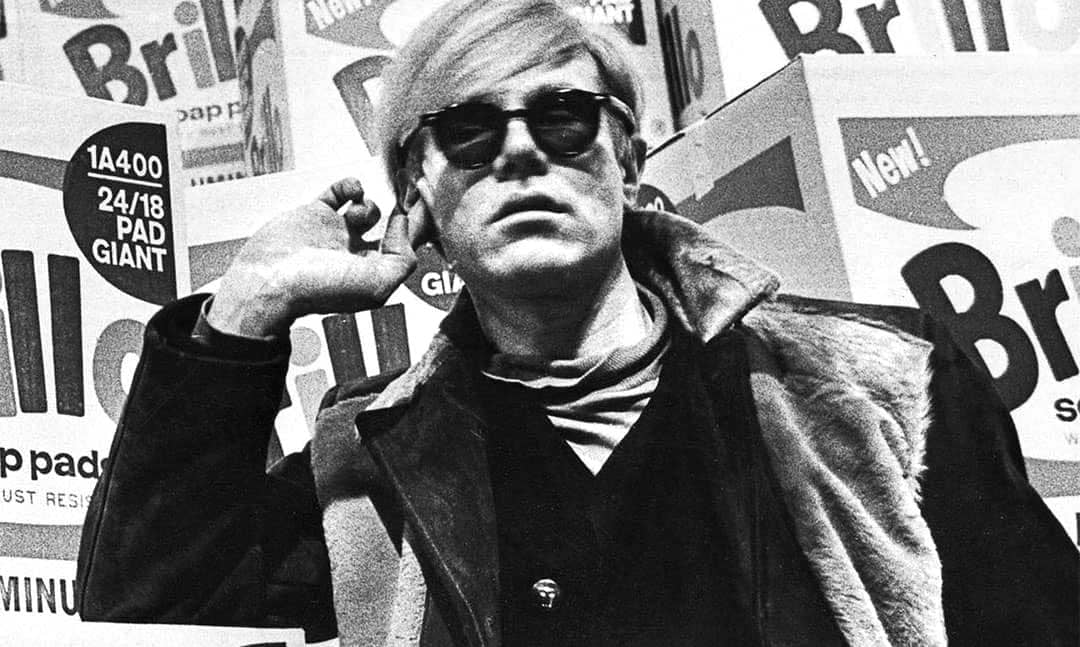
Warhol in the '60s: Pop Art, Pop Culture, and a Popping Good Time
Imagine it's 1960s New York, the city that never sleeps is buzzing with a new kind of energy. The air is filled with the scent of change, and at the epicenter of this cultural whirlwind is a man named Andy Warhol. He's not just an artist; he's a phenomenon, a symbol of the decade that's ready to explode with color, creativity, and controversy.
Factory Life: A Pop Art Paradise
The Silver Factory, Warhol's studio, is the place to be. It's a neon-lit playground for the city's creatives, where art, music, and philosophy collide. The walls are silver, the music is loud, and the energy is electric. Warhol, with his signature silver wig and dark glasses, is the maestro of this happening symphony.
Here's a fun fact: Warhol once said, "I like boring things." But his life and work were anything but boring. He took everyday objects - soup cans, Coca-Cola bottles, Marilyn Monroe's face - and turned them into iconic art pieces. That's what Pop Art is all about: making the mundane magnificent.
Screen Tests and Superstars: Warhol's World
Warhol's world is a revolving door of celebrities, artists, and musicians. He films them in his Screen Tests, silent, black-and-white portraits that capture their essence in a single, unblinking gaze. Among them are Marilyn Monroe, Mick Jagger, and Twiggy, all frozen in time, immortalized by Warhol's camera.
Warhol also creates his own stars, a group he calls the Superstars. They're drag queens, actresses, and musicians who become the face of his Factory. They're wild, they're free, and they're living proof that Warhol's world is a place where anyone can be a star.

Pop Art and Pop Culture: A Match Made in Heaven
Warhol's art isn't just about aesthetics; it's about commentary. He's critiquing consumer culture, challenging the art establishment, and pushing boundaries. His Campbell's Soup Cans aren't just paintings; they're a commentary on mass production and consumerism. His Marilyn Diptych isn't just a portrait; it's a reflection on celebrity culture and mortality.
Here's a practical tip: Next time you're in a museum, look at Warhol's work with a critical eye. What's he saying about the world around him? What's he saying about us?
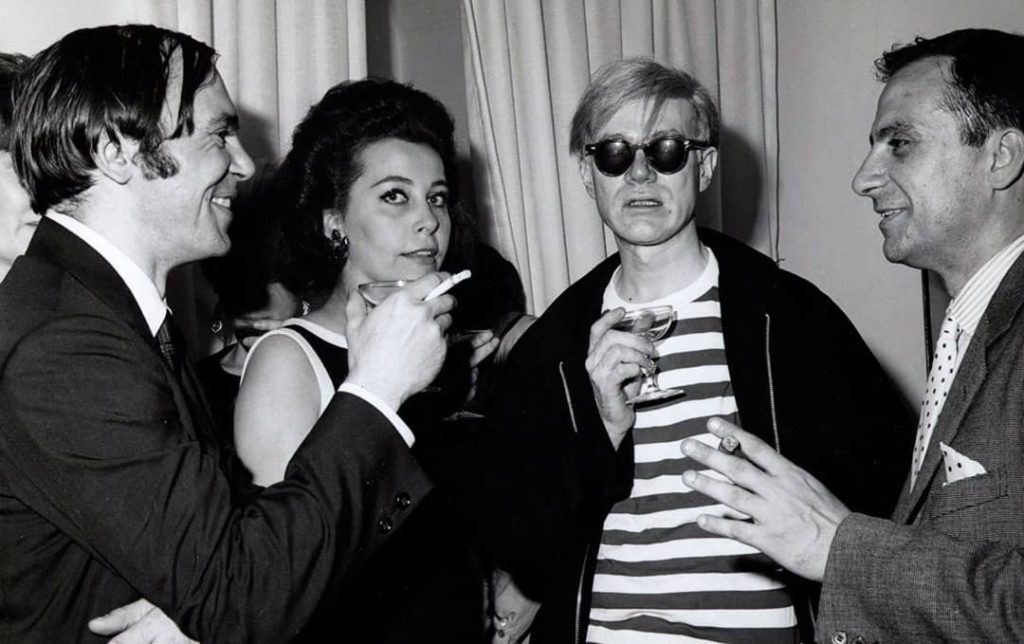
Warhol's Legacy: Then and Now
Fifty years later, Warhol's influence is everywhere. We live in a world where fame is fleeting, where art and commerce are intertwined, where anyone can be an influencer, a star. Warhol predicted this world, and he created some of its most iconic images.
So, what can we learn from Warhol? Maybe it's that art can come from anywhere, that fame is a construct, that the mundane can be magnificent. Or maybe it's just that life is more fun when you add a little silver paint and turn up the music.
Warhol once said, "Art is what you can get away with." So go ahead, get away with something. Create something bold, something unexpected, something that makes people think, makes them feel, makes them question. That's the Warhol way.