
Difference Between A Lithograph And A Serigraph

So, you're here because you've got a sneaking suspicion that there's more to art prints than just slapping some ink on paper, huh? You're not wrong, my friend. Let's dive into the world of lithographs and serigraphs. Grab a coffee, get comfy, and let's chat.
Lithographs: The OG of Printmaking
Alright, let's start with the old-timer, the lithograph. This guy's been around since the late 1700s, making it the oldest of the printing techniques we're gonna chat about today. It's like the grandpa of printmaking, sitting in his rocking chair, full of wisdom and stories.
So, how does it work? Well, grab a limestone slab - yes, you heard me right, limestone. It's not just for building fancy houses. Artists draw on this slab using a special kind of greasy pencil. Then, they roll on a mixture of acid and gum arabic, which etches the drawing into the stone. Next, they apply ink, which sticks to the etched lines but not the smooth surface. Finally, they press paper onto the inked stone, and voila, you've got a print!
Must Read
Why Lithographs?
Lithographs have this beautiful, soft, and textured look to them. It's like they've got a little bit of that handmade charm, even though they can make thousands of identical prints. They're also great for capturing fine details and subtle shading. Plus, they've got a certain old-world charm, don't you think?
Serigraphs: The Modern Upstart
Now, let's talk about the new kid on the block, the serigraph. This technique didn't really take off until the 20th century, making it a relative spring chicken compared to lithographs. It's also known as screen printing, but let's stick with serigraph for now, okay?

Here's how it works: An artist creates a design on a piece of paper or film, then transfers it onto a fine mesh screen. They block out the areas they don't want inked using a stencil or a photo-emulsion process. Then, they roll ink onto the screen, which pushes through the open areas and onto the paper below. They repeat this process for each color in the design, building up the final image layer by layer.
Why Serigraphs?
Serigraphs have this bold, vibrant look to them. They're perfect for creating bright, punchy colors and bold outlines. They're also great for printing on non-paper surfaces, like fabric or wood. Plus, they're super versatile - you can use them to print anything from t-shirts to murals.
So, Which is Better?
Oh, here we go, the million-dollar question! The truth is, neither is 'better' - they're just different. It's like choosing between pizza and sushi. Both are amazing, but it depends on what you're in the mood for, right?
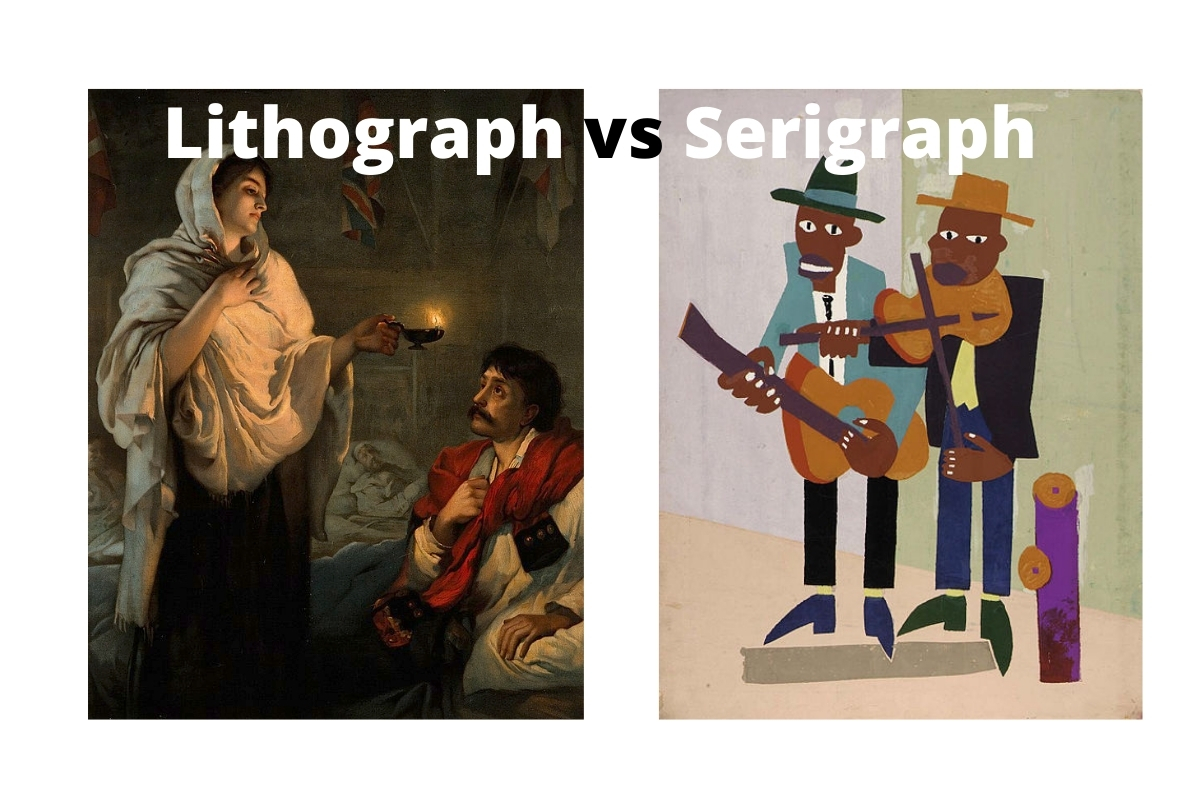
Lithographs have this timeless, romantic feel. They're perfect for capturing delicate details and subtle shading. But if you're all about those bold, vibrant colors, you might prefer a serigraph. Or maybe you want to print on something other than paper? Well, serigraphs have got you covered there too.
So, my friend, the next time you're admiring an art print, take a closer look. Can you see the subtle textures of a lithograph? Or maybe you're drawn to the bold, vibrant colors of a serigraph? Either way, you're part of the club now. You're in on the secret. You know there's more to art prints than meets the eye.
And hey, if you ever want to chat more about art, prints, or anything else, you know where to find me. I'll be here, sipping on my coffee, ready for our next chat.