
Fun Facts About Pop Art
Splash of Color, Dash of Wit: Your Pop Art Primer
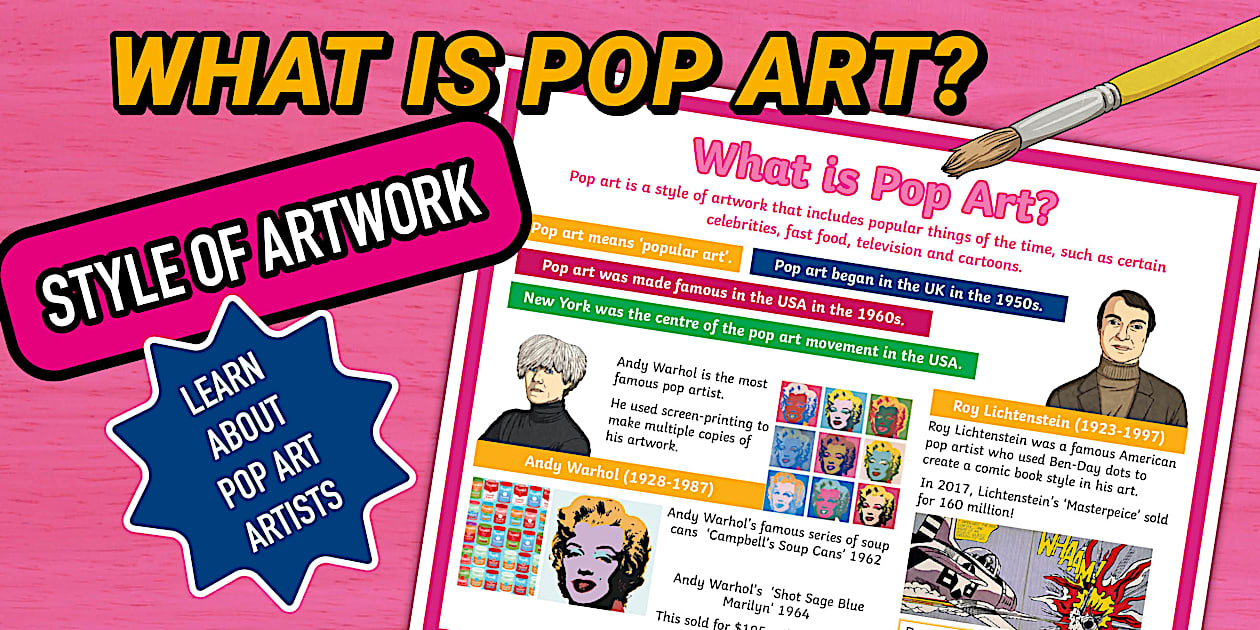
Ever marveled at Andy Warhol's Campbell's Soup Cans or Roy Lichtenstein's comic-inspired masterpieces? You're not alone. Pop Art, with its bold colors and everyday subject matter, has a way of making us feel right at home. Let's dive into the fun facts, cultural references, and practical tips that make this art movement a true modern classic.
Pop Art 101: A Brief History
Born in the 1950s, Pop Art was a rebellion against the seriousness of Abstract Expressionism. Think of it as the art world's equivalent of a teenager trading in their classical music for rock 'n' roll. Artists like Andy Warhol, Roy Lichtenstein, and Keith Haring took inspiration from popular culture, advertising, and everyday objects, giving art a fresh, vibrant makeover.
Fun fact: The term "Pop Art" was coined by English painter and sculptor Richard Hamilton in his 1957 manifesto, "Man, Machine and Motion." He chose the name to reflect the art's engagement with popular culture and consumerism.
Must Read
Meet the Movers and Shakers
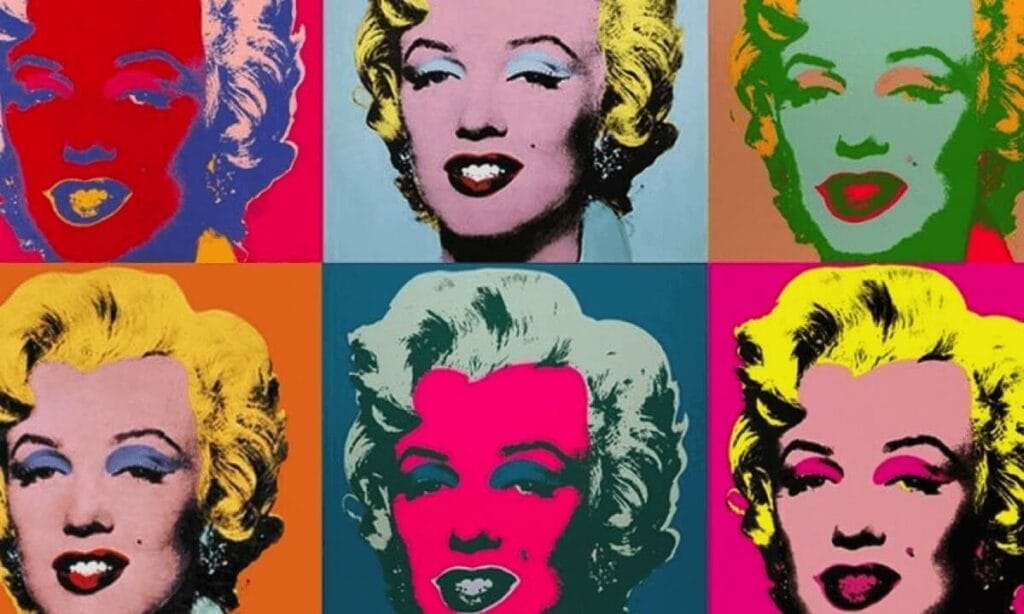
Andy Warhol, the king of Pop Art, once said, "Art is what you can get away with." A leading figure of the movement, Warhol's silkscreen prints of iconic figures like Marilyn Monroe and Elvis Presley brought celebrity culture into the art world. His studio, The Factory, was a hub for artists, musicians, and socialites, making him as famous for his social scene as his art.
Roy Lichtenstein, another giant of Pop Art, took inspiration from comic strips and advertising. His bold, primary colors and Ben-Day dots (those little colored dots that give his work its distinctive look) are instantly recognizable. Lichtenstein's Whaam! and Drowning Girl are must-sees for any Pop Art fan.
Keith Haring, a New York native, brought street art into the mainstream. His simple, bold outlines and bright colors made his work instantly recognizable. Haring's murals and subway drawings brought art to the people, quite literally. Fun fact: Haring once said, "I don't understand why people are so surprised that I make art about things that are important to me. I'm not a political artist, I'm just an artist who happens to be political."
Pop Art in Your Life: Tips and Tricks
Ready to bring a little Pop Art into your daily life? Here are some tips:

- Start small: A single print or poster can add a pop of color to any room. Look for works by up-and-coming artists on platforms like Society6 or Etsy.
- DIY Pop Art: Create your own Pop Art-inspired masterpiece. Use bold colors and everyday objects as your muse. Warhol's Marilyn Diptych is a great starting point.
- Pop Art fashion: Channel your inner Warhol with a bold, colorful outfit. Think primary colors, graphic prints, and statement pieces.
Pop Art Today: From Museums to the Streets
Pop Art's influence can be seen everywhere, from museum exhibitions to street art. Contemporary artists like Kehinde Wiley and Jenny Holzer continue to push the boundaries of Pop Art, using it to explore issues like race, gender, and politics.
Fun fact: The world's largest collection of Pop Art is housed in the Andy Warhol Museum in Pittsburgh, Pennsylvania. With over 17,000 works, it's a must-visit for any Pop Art fan.
Reflecting on Pop Art: A Final Thought
Pop Art is more than just a pretty picture. It's a reflection of our culture, our values, and our everyday lives. It's a reminder that art doesn't have to be stuffy or serious to be meaningful. So, go ahead, embrace the bold, the bright, and the unapologetically fun. After all, as Warhol once said, "Being good in business is the most fascinating kind of art." And isn't that something we can all strive for?