
Person Who Determines The Worth Of Antiques

So, you're curious about who decides if that dusty old vase is worth more than your monthly rent, huh? Let's spill the tea on the fascinating world of antique appraisers. Grab a coffee, get comfy, and let's dive in.
Meet the Antique Whisperers
Imagine having a superpower where you can pick up an object and instantly know its story, its worth, and whether it's been hiding in your attic for too long. That's basically what antique appraisers do. They're like the Indiana Jones of the art world, but with fewer snakes and more tweed jackets.
Appraisers: The Real-Life Antique Roadshow
You might recognize them from TV shows like Antique Roadshow or Pawn Stars, where they strut their stuff, appraising everything from grandma's old jewelry to that weird sculpture you found at a garage sale. But who are these mystical beings, and how did they gain their powers?
Well, it turns out, they're just regular folks (well, regular in the sense that they wear deodorant and have a pulse) who've spent years honing their skills. They're experts in their field, specializing in everything from art and furniture to toys and clocks. Some are generalists, others are specialists - it's like the Avengers, but with more books and less fighting.
So, How Do They Do It?
Appraising an antique is like solving a puzzle. It's not just about the object itself, but also about its history, its maker, and even the market demand. Here's a little insight into their process:
Research: The Boring but Necessary Bit
Before they even touch an object, appraisers do their homework. They dig through books, online databases, and even consult with other experts. It's like being a detective, but instead of solving murders, they're solving mysteries like, "Why is this teapot worth more than my car?"
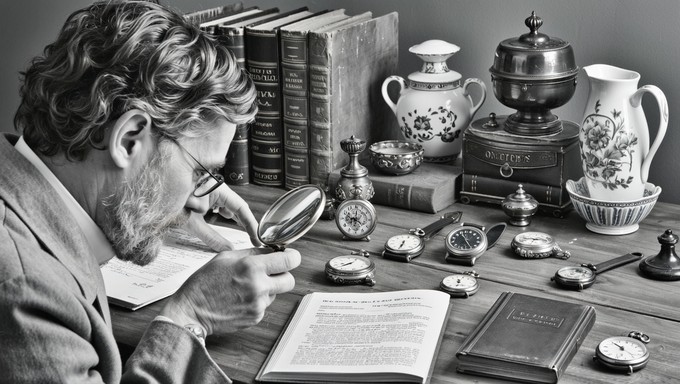
Inspecting the Evidence
Once they've gathered all the info they can, it's time to get hands-on. Appraisers examine every inch of an object, looking for clues about its age, origin, and condition. They check for marks, examine the construction, and sometimes even use tools like microscopes or X-rays. It's like a real-life game of Clue, but instead of finding the murderer, they're finding the maker's mark.
Valuing the Treasure
Finally, it's time to put a price tag on the past. Appraisers consider a bunch of factors when determining an antique's worth, like its rarity, condition, and demand. They also look at recent sales of similar items - it's like the stock market, but with more dust and less day trading.
But What About Fakes?
You might be thinking, "What if I bring in a fake? Will they laugh me out of the room?" Well, fear not, dear reader. Appraisers are trained to spot fakes and forgeries. They're like the lie detectors of the antique world, and they're pretty darn good at their job.
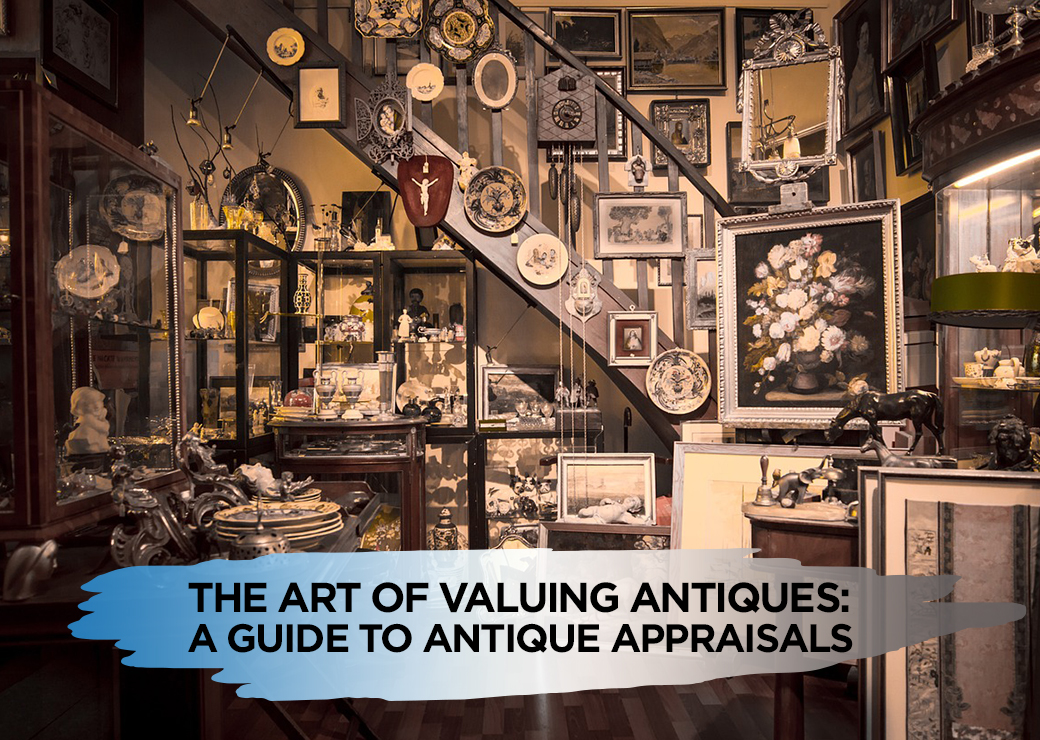
But here's the thing: even if something is a fake, it can still be valuable. Why? Because it's got a story. Maybe it was made by a talented forger, or maybe it was given as a gift with love and laughter. In the world of antiques, the story is often just as important as the object itself.
So, Should You Get That Old Vase Appraised?
If you've got an antique you're dying to know more about, go for it! Appraisers love sharing their knowledge and helping people understand the history behind their objects. Plus, who knows? You might just have the next big thing on Antique Roadshow.
But remember, appraising an antique isn't just about the money. It's about the story, the history, and the connection we have with the past. So, go ahead, ask questions, learn, and enjoy the journey. After all, that's what makes this antique adventure so darn fun.
And there you have it, folks. The lowdown on the fascinating world of antique appraisers. Now go forth, explore, and happy antiquing!