
Value Of A Faberge Egg
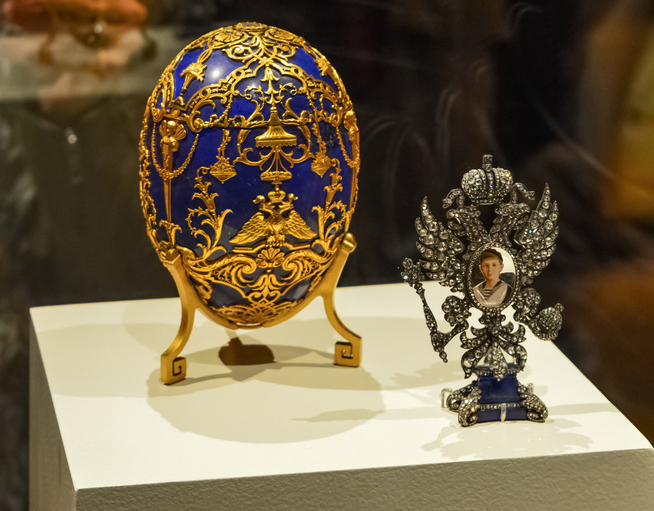
Ever wondered what makes a Fabergé egg so darn special? You know, those fancy, jewel-encrusted ornaments that seem to pop up in movies and museums? Let's dive into the world of these fancy little objects and find out what all the fuss is about.
So, What's the Big Deal?
Well, friend, it's all about the history, the craftsmanship, and the exclusivity. Fabergé eggs aren't just eggs, they're works of art. Imagine them as the ultimate Easter surprise, but instead of chocolate, you get a masterpiece that's worth a small fortune.
Who's This Fabergé Guy Anyway?
Peter Carl Fabergé, that's who. Born in 1846 in Saint Petersburg, Russia, he was a jeweler to the Russian Imperial Court. His family had been in the jewelry business for generations, so you could say he was born with a silver spoon in his mouth (or maybe a diamond one, considering his line of work).
Fabergé took over the family business in 1872 and, well, let's just say he didn't mess around. He turned the company into a powerhouse of luxury goods, known for its intricate, high-quality pieces. But it's those eggs we're here for, so let's get cracking.
Egg-cellent Craftsmanship
Fabergé eggs were created as Easter gifts for the Russian Tsars. Talk about a boss gift idea, right? Each egg was a one-of-a-kind masterpiece, designed to blow the mind of even the most jaded royal. They were made by a team of skilled artisans, working tirelessly to create something truly extraordinary.
Think of it like this: imagine you're at a fancy dinner party, and you bring out a regular old hard-boiled egg. Now, imagine you bring out a jewel-encrusted, gold-plated, miniature masterpiece. That's the kind of reaction Fabergé eggs were designed to evoke. They were the ultimate showstoppers.
What's Inside Counts
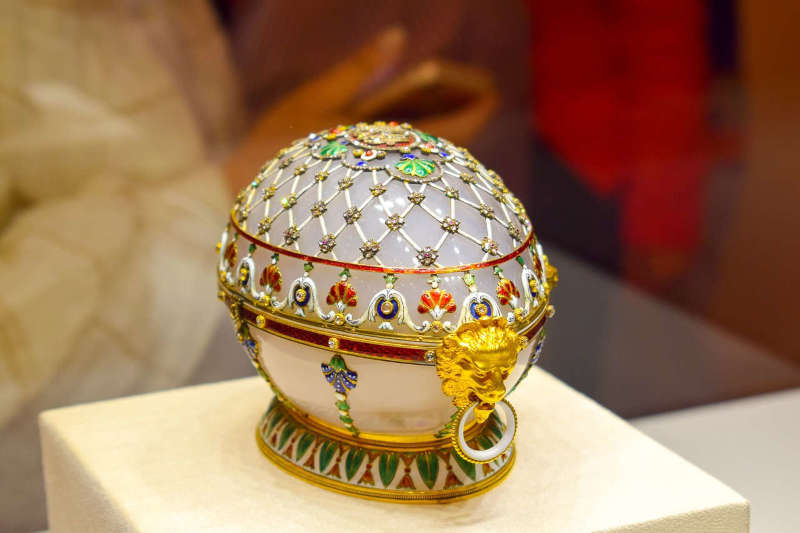
But it wasn't just about the shiny exterior. Oh no, these eggs had surprises inside, too. Some hid miniature portraits, others had tiny, intricate scenes or even functional objects like watches or scent bottles. It was like a real-life, super-luxury version of those Russian nesting dolls.
And here's where it gets even more impressive. Each egg was designed to be opened in a specific way, with hidden mechanisms that required just the right touch. It was like a game, a puzzle, and a piece of art all rolled into one. Now that's what you call a challenging egg hunt.
Rarity and Value
So, how many of these fancy eggs were made? Well, between 1885 and 1917, Fabergé created around 50 eggs for the Russian Imperial family. That might sound like a lot, but when you consider that each one was a unique work of art, it starts to feel a bit more exclusive.
And exclusive means valuable. Today, these eggs are worth millions. In 2007, one egg sold for a whopping $18.5 million at Christie's auction house. That's more than some people make in a lifetime! But remember, these aren't just eggs. They're historic artifacts, symbols of a bygone era of luxury and craftsmanship.

Where Are They Now?
Many of the Fabergé eggs are now housed in museums around the world, including the Kremlin in Moscow and the Virginia Museum of Fine Arts in Richmond. Some are still in private collections, passed down through generations like precious family heirlooms.
But here's the thing: not all eggs are created equal. Some are missing, lost to time or history. And there are even some fakes out there, designed to fool the unwary. It's like the world's most expensive Easter egg hunt, with a multi-million-dollar prize.
So, Why Do We Care?
Well, friend, it's all about the story, the craftsmanship, and the magic. Fabergé eggs represent a time when luxury was about more than just price tags. They were about skill, artistry, and the joy of creating something truly extraordinary.
In a world full of mass-produced, disposable goods, these eggs remind us that there's still value in the handmade, the unique, the one-of-a-kind. They're a testament to the power of human creativity and the beauty of a job well done. And isn't that something worth celebrating?