
What Is A Reserve Price

Okay, so you’re probably here because you’ve heard the term reserve price floating around—maybe during an auction, a yard sale, or even a heated negotiation over who gets the last slice of pizza (though that’s usually just your slice, no judgment). But what on earth does it even mean?
Imagine you’re selling your vintage vinyl collection, and you’re not just throwing it out there for $5 because, let’s be real, that’s not fair to your beloved Thriller album. You’ve got a number in mind—the lowest you’d accept—and that, my friend, is your reserve price. It’s like the secret password to your treasure chest, but instead of a dragon guarding it, it’s just the market waiting to see if they’ll meet your terms.
Why Have a Reserve Price?
Reserve prices exist because not everything has a fixed price tag like a $9.99 item at the grocery store. Some things—like art, rare books, or that weirdly cool vintage toaster you found—just aren’t priced like cereal. A reserve price is your safety net, ensuring you don’t sell something for peanuts just because someone’s feeling generous (or desperate).
Think of it like setting a minimum wage for yourself. You wouldn’t accept $5 an hour for your soul, right? Same goes for your stuff. Your reserve price is your way of saying, “I know I’m worth more than this.”
How Does It Work?
When you set a reserve price, it’s like putting a “Do Not Disturb” sign on your door—but for money. The auctioneer (or whoever’s running the show) won’t accept bids below that number. It’s not public knowledge, though. If someone bids $100 on your $200 reserve price, the auctioneer just smiles and says, “Next!” until someone hits the sweet spot.
It’s a bit like playing “Hot and Cold” with your wallet. Too low? The bidders get cold. Too high? You might as well be selling your firstborn. The goal is to find that “just right” zone where everyone’s happy—or at least, you are.
Reserve Prices in Different Scenes
Auctions are the most obvious place you’ll see reserve prices, but they pop up elsewhere too. Ever noticed how some online marketplaces let you set a “minimum price” for your item? That’s basically a reserve price in disguise. It’s like telling the world, “I’ll take $20, but don’t even think about offering me $15.”
Even in real estate, sellers sometimes have a “walk-away” price—they’d rather the house sit empty than sell it for less than they’re willing to accept. It’s the grown-up version of “I’d rather not talk to you.”
What If No One Hits Your Reserve?
Here’s the thing: reserve prices aren’t just for show. If no one meets your number, your item might not sell—and that’s okay! It’s like when you set a “no” to a bad date plan. Sometimes, the right offer just hasn’t come along yet.
In auctions, if the reserve isn’t met, the seller can usually walk away with their item intact. It’s not failure; it’s just “not today.” Maybe next time, or maybe you’ll find a better deal elsewhere. The market’s a funny place.
Pro Tips for Setting a Reserve Price
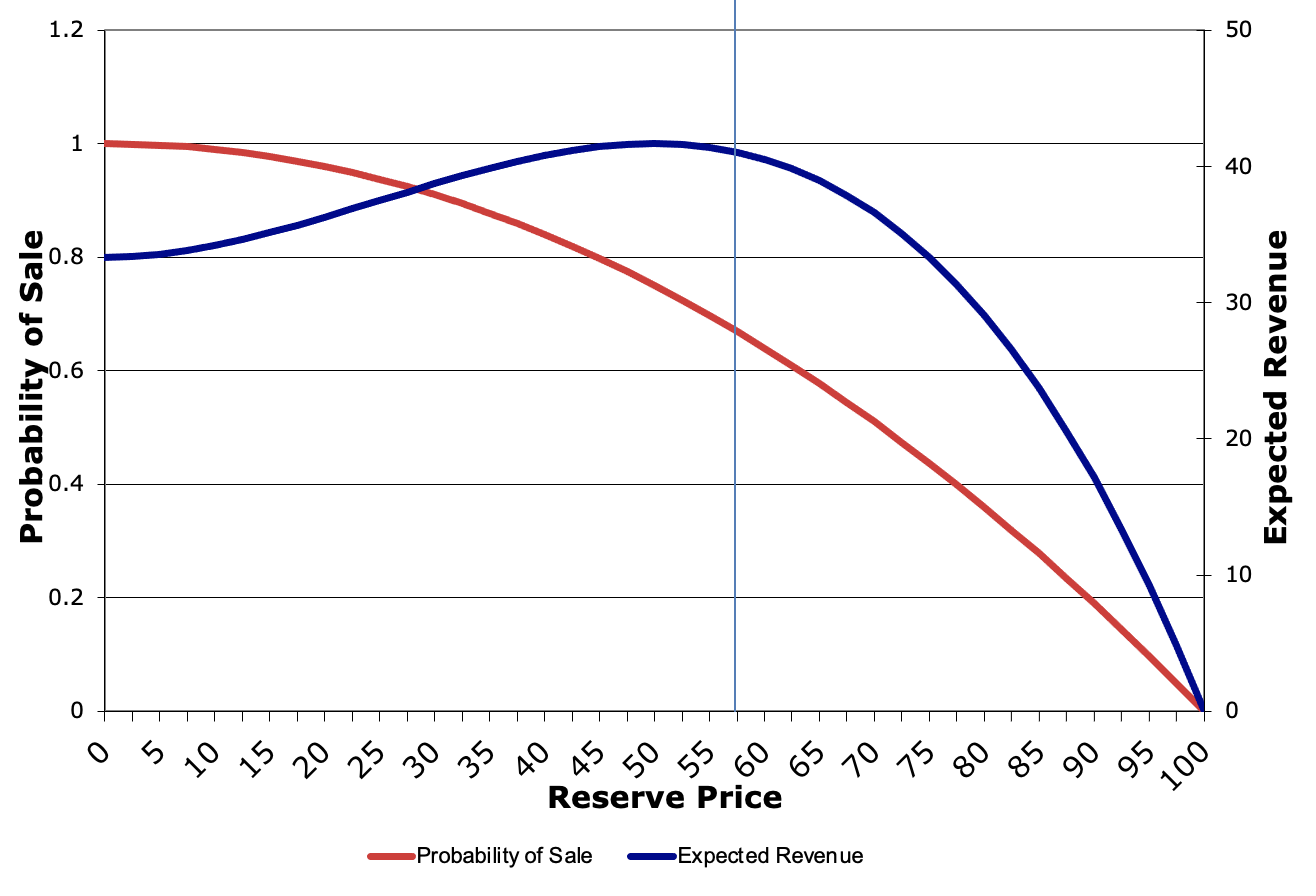
So, how do you set a reserve price that’s fair but not ridiculous? Start by doing your homework. Check similar items that have sold recently—whether it’s on eBay, at a local auction, or even in a Facebook Marketplace thread. If everyone’s paying $150 for a widget like yours, setting a reserve at $200 might leave you holding the bag.
But don’t undersell yourself either! If you’ve got a rare or unique item, your reserve might be higher. Think of it like dating: you wouldn’t date someone just because they’re “available”, right? Give your stuff the same respect.
And here’s a pro move: leave a little wiggle room. If you’re aiming for $300, setting a reserve at $250 gives bidders a little incentive to go just a tad higher. It’s like offering a “free sample” of your patience.
Reserve Prices and Psychology
Here’s where things get interesting: reserve prices can play with human psychology. If you set a high reserve, you might scare off casual bidders, but serious collectors will know they’re in for a good deal. It’s like wearing a “I’m not here for small talk” shirt—some people will respect it, others will walk away.
On the flip side, if your reserve is too low, you might attract way too many bidders, driving the price up faster than you expected. It’s like putting a “Help!” sign on your item—suddenly, everyone’s bidding like it’s Black Friday.
Real-Life Examples
Let’s say you’re selling your grandma’s antique teapot. You check online, and similar teapots sell for $120 to $180. You love the teapot, but you’re not selling it for $50. So you set a reserve at $150. If someone bids $160, you’ve got a deal! If no one hits it? Well, at least you didn’t lose money.
Or imagine you’re at a car auction. The seller’s reserve is $20,000, but the first bid is $18,000. The auctioneer just smiles and says, “Next!” until someone hits $20,000 or higher. It’s like a game of “Simon Says,” but with more money.

When Should You Use a Reserve Price?
Reserve prices aren’t for everything. If you’re selling something super common—like a used coffee mug—you might not need one. But for unique, valuable, or sentimental items? Absolutely. It’s like putting a “Do Not Disturb” sign on your emotional baggage.
Think about it this way: if you’re selling your soul (metaphorically, of course), you’d want to make sure it’s going to the right person. A reserve price is just your way of saying, “I’ve got standards.”
The Upside of Reserve Prices
One of the best things about reserve prices? They give you control. No more “Wait, really? That’s the best you’ve got?” moments. You set the bar, and you decide when it’s crossed. It’s like having a personal cheerleader for your wallet.
And let’s not forget the confidence boost. Knowing you’ve got a floor price means you’re not just throwing your stuff out there and hoping for the best. You’re in the driver’s seat, and that’s a feeling.
Plus, if your item does sell for more than your reserve? Congrats, you’ve just made a profit! It’s like when you finally find that “perfect” pair of jeans—you knew they were out there, and now they’re yours.
Final Thoughts: You’ve Got This!
So next time you’re selling something—whether it’s a rare vinyl record, a family heirloom, or just that weirdly cool lamp you found at a thrift store—remember your reserve price. It’s not about being greedy; it’s about being smart. It’s about knowing your worth, whether you’re talking about money or yourself.
And who knows? Maybe your reserve price will be the key to unlocking a deal that makes you smile. Or maybe it’ll remind you that some things—like your time and your treasures—are worth waiting for. Either way, you’re now armed with the knowledge to play the game on your terms.
Now go forth and sell with confidence. The world’s your auction block!