
Amedeo Modigliani Portrait Of Jeanne Hebuterne
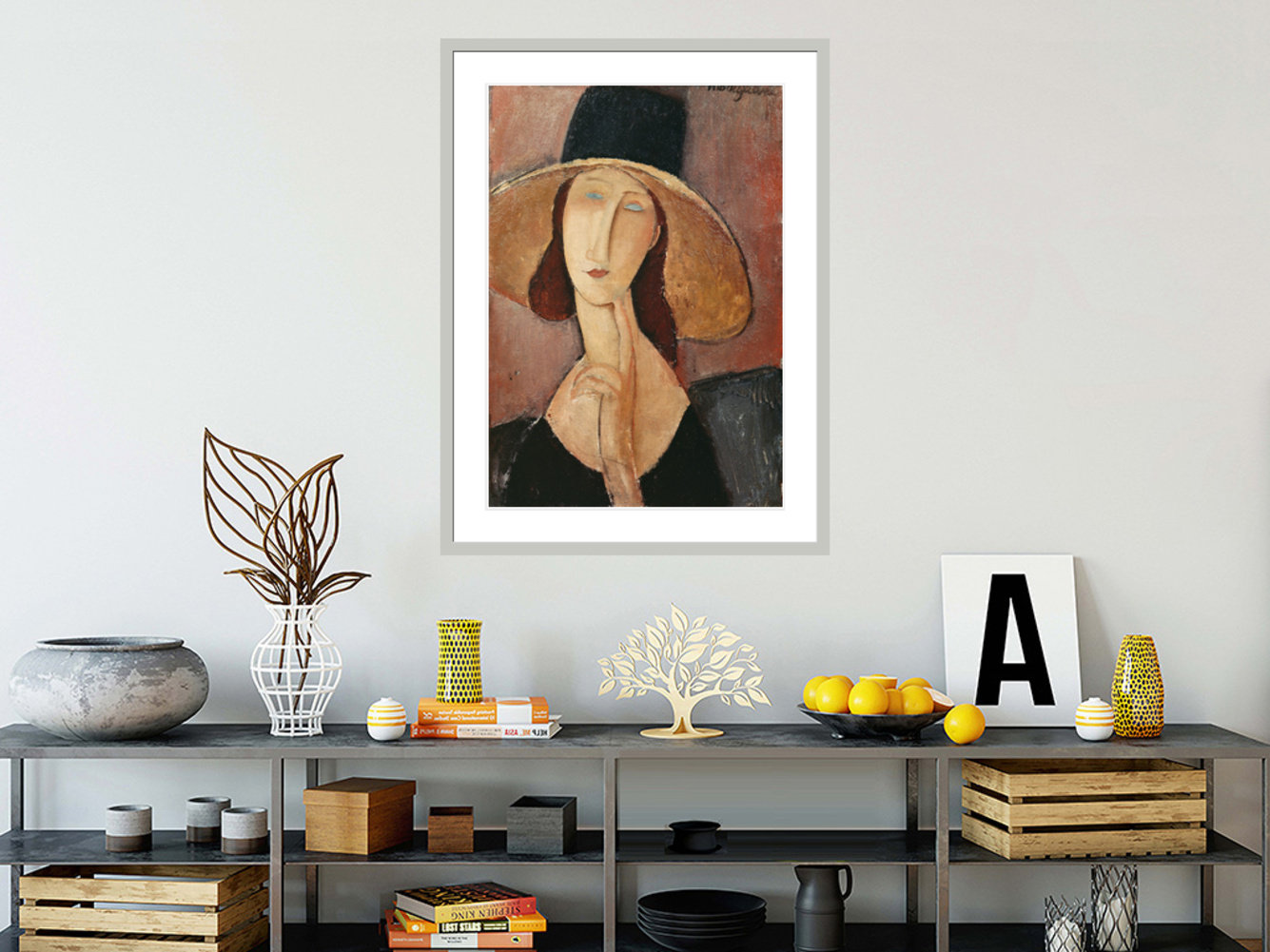
Ever wondered what it's like to be painted by an artist so passionate, he'd defy conventions? Meet Amedeo Modigliani, an Italian artist who lived and breathed art in early 20th century Paris. His portrait of Jeanne Hebuterne, his muse and lover, is a prime example of his unique style. Let's dive in, shall we?
Who's this Jeanne chick, anyway?
Jeanne was Modigliani's partner, a fellow artist, and the mother of his child. They were a bohemian couple, living in the heart of Paris' art scene. She was his muse, his love, and his inspiration. You can feel their connection in every brushstroke of this portrait.
So, what's the big deal about this painting?
Modigliani's portraits are like no other. He'd take the traditional rules of portraiture, give them a wink, and say, "Not today." Instead of realistic features, he'd use elongated necks, almond-shaped eyes, and simplified features. It's like he was painting not just what he saw, but what he felt.
In this portrait, Jeanne's face is a study in simplicity. Her eyes are almonds, her nose a gentle slope, her lips a soft curve. It's like Modigliani was saying, "I see you, Jeanne. I see your essence, not just your face."
But why's it so... weird?
Well, Modigliani was a rebel. He didn't care much for the art establishment. He'd paint his subjects not as they were, but as he felt them. It's like he was painting their souls, not their faces. Some people loved it, others hated it. But no one could ignore it.

Take Jeanne's neck, for instance. It's elongated, almost exaggerated. It's not realistic, but it's undeniably... Modigliani. It's like he was saying, "Jeanne, you're unique. You're special. And I'm going to paint you that way."
What's the story behind it?
Modigliani painted this portrait in 1918 or 1919, during a time when he and Jeanne were deeply in love. You can feel that love in the painting. It's not just a portrait; it's a love letter, a testament to their relationship. It's like Modigliani was saying, "Jeanne, I see you. I love you. And I want the world to see you as I do."
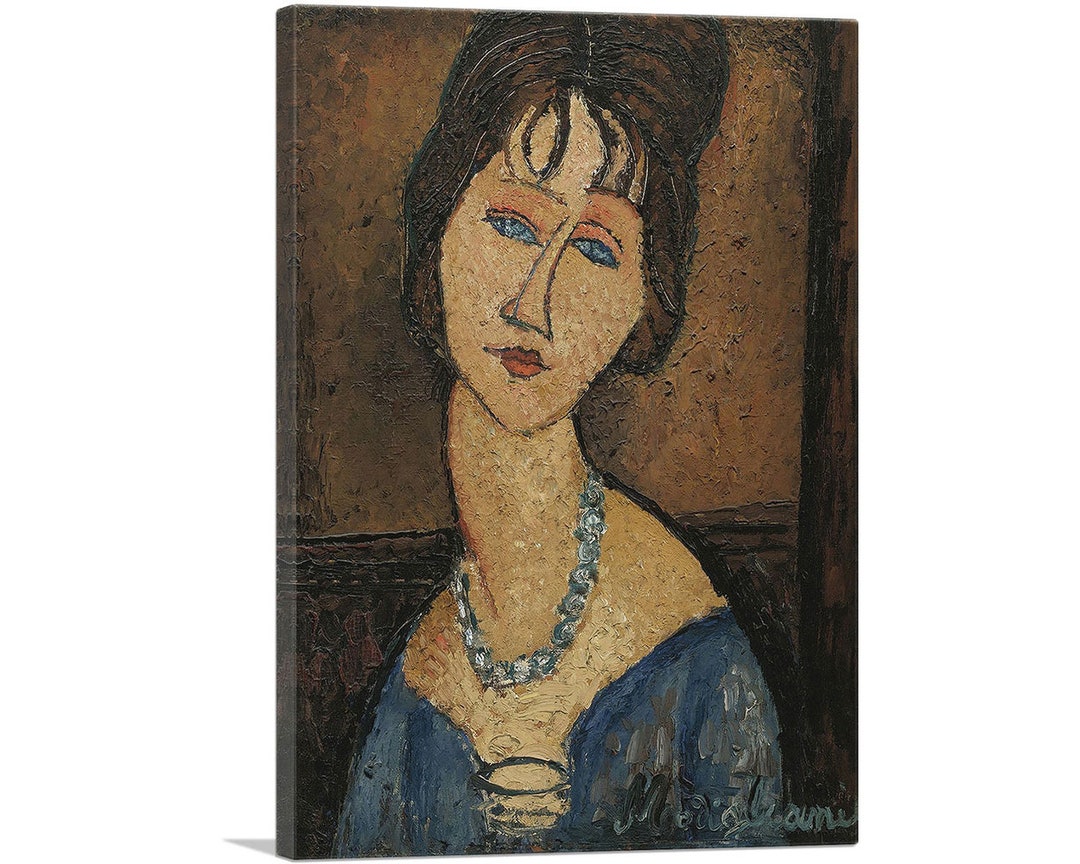
Sadly, their love story didn't have a happy ending. Modigliani died in 1920, and Jeanne, heartbroken, took her own life just a day later. But their love lives on in this painting, a poignant reminder of their passion and Modigliani's unique artistic vision.
So, should I like it?
That's entirely up to you. Art is subjective, after all. Some people might look at this painting and see a masterpiece. Others might see a weird, elongated face and wonder what the fuss is about. But one thing's for sure: you can't ignore it. It's a window into Modigliani's world, his love for Jeanne, and his defiant artistic vision.
So, go ahead. Take a look. Let Modigliani's brushstrokes tell you a story. Let Jeanne's eyes meet yours. And who knows? You might just fall in love with them, too.