
Silver: An Illustrated Guide To Collecting Silver

Alright, gather 'round, folks. Today, we're going to chat about something that's been shiny and valuable since grandma's time - silver. You know, the stuff that's not just for the Queen's tea set or your great-aunt Mabel's fancy candlesticks. We're talking about silver that's been a part of our everyday lives, often without us even realizing it.
Why Silver, You Ask?
Well, silver's like that cool friend who's always there for you. It's durable, it's got a lovely gleam that never goes out of style, and it's got a whole host of uses that make it as practical as it is pretty. Plus, it's got a certain je ne sais quoi that makes it feel special, even when it's just holding your salt at the dinner table.
So, What's the Big Deal About Collecting Silver?
Collecting silver is like having a treasure hunt in your own home. It's about finding those little shiny pieces that tell a story, whether it's about your family history or just a cool piece you picked up on your travels. It's about having something tangible, something you can hold and polish and pass down. And let's be real, it's also about having a secret stash of shiny stuff that makes you feel like a pirate (arrr!).
Must Read
But before you start diving into your grandma's attic or raiding the local flea market, let's talk a little bit about what you should be looking for.
Know Your Silver
First things first, you need to know your silver from your, well, not silver. Sterling silver is what you want to be looking for. It's 92.5% silver and 7.5% other metals, usually copper. That little number '925' stamped on the piece is your friend - it's like silver's secret handshake. Anything less than that, and it's not sterling. It's still silver, sure, but it's not the good stuff.
Now, you might be thinking, "But what about silver plate? Isn't that the same thing?" Well, no. Silver plate is just a thin layer of silver on a base metal. It's like the poor cousin of sterling - it looks good, but it's not as valuable or durable. So, while it's still worth collecting (especially if you've got a soft spot for vintage tea services), it's not the same as sterling.

Silver's Many Faces
Silver comes in all shapes and sizes, from the practical (like cutlery and candlesticks) to the downright weird (like silver-plated taxidermy - yes, that's a thing). But here are a few types you might want to keep an eye out for:
- Flatware: That's just a fancy word for cutlery. Silver forks, knives, and spoons are not only useful but also make great collectors' items.
- Hollowware: This is just a fancy word for dishes and bowls and platters. Anything you can eat off of or put food on falls into this category.
- Decorative Items: This is where you can let your inner magpie run wild. Silver picture frames, candlesticks, vases, and all manner of shiny knick-knacks fall into this category.
- Coins and Medals: These are a whole other ball game, but they're worth mentioning. They're not just about the silver - they're about history and numismatics and all that good stuff.
And the best part? You don't have to be a millionaire to start collecting silver. Sure, there are some pieces out there that'll set you back a pretty penny, but there are also plenty of affordable pieces just waiting to be discovered.
Care and Feeding of Your Silver
Alright, so you've started your collection. Now what? Well, first things first, you need to take care of your silver. It's not high maintenance, but it does need a little TLC to keep it looking its best.
Silver tarnishes, and that's just a fact of life. It's when the silver reacts with sulfur in the air and turns that lovely shiny silver into a not-so-lovely black mess. But don't worry, it's easily fixed. There are all sorts of ways to clean silver - from fancy chemical concoctions to old-fashioned methods like using toothpaste or baking soda.
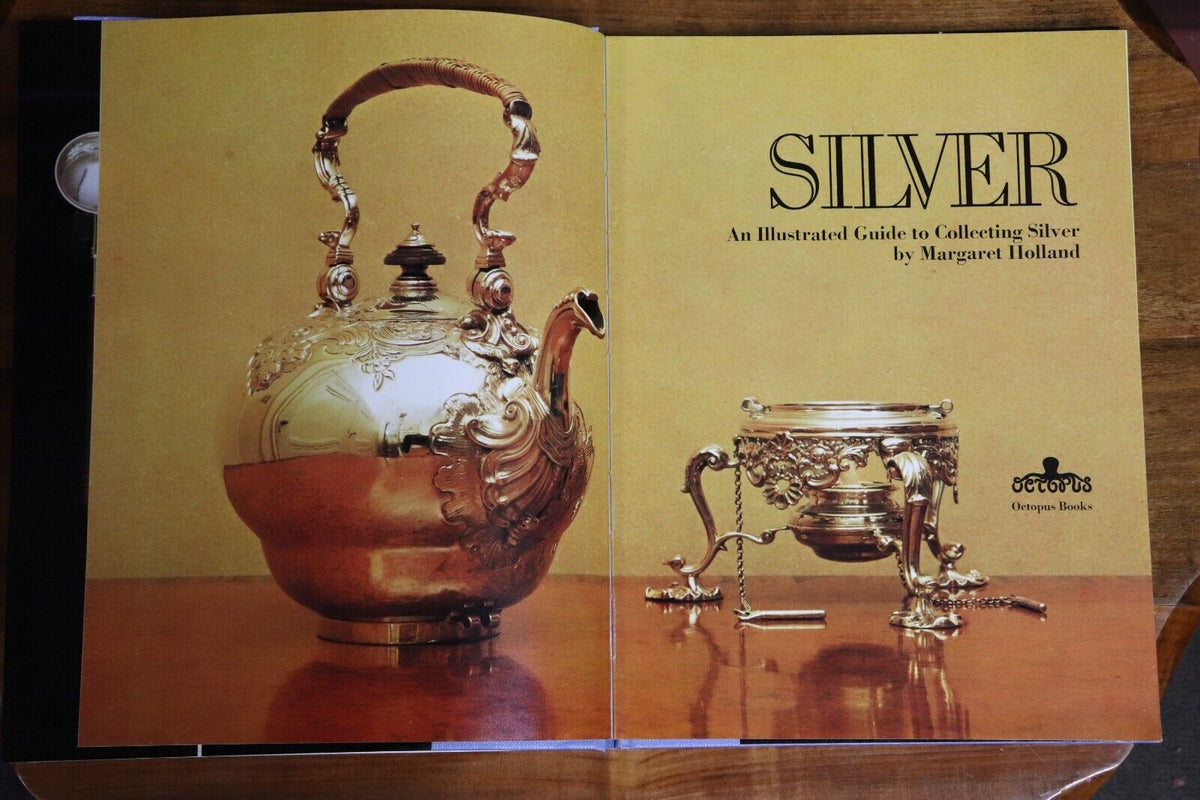
And here's a pro tip for you - store your silver properly. Keep it in a cool, dry place, away from direct sunlight and heat. And if you're not using it, wrap it in acid-free paper or plastic to keep it from tarnishing. It's like giving your silver a little hug to keep it safe.
Pass It On
One of the best things about collecting silver is that it's something you can pass down. It's not just about you - it's about creating a legacy. It's about giving your kids or grandkids or great-nephews something tangible, something they can hold and polish and cherish.
So, go on. Start your collection. Dig through the attic, hit the flea markets, scour the internet. And who knows? Maybe one day, your great-grandkids will be polishing the very same spoon you found at that dusty old market. And isn't that a wonderful thought?
Happy hunting, fellow silver lovers. May your tarnish be minimal and your finds be many.