
Art After World War One

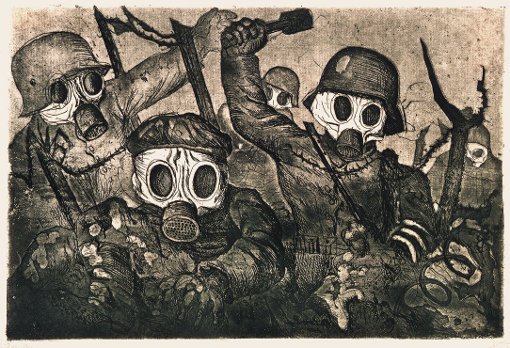
So, there I was, wandering through the Tate Modern, when I stumbled upon this painting. It was a mess, really - all jagged lines and splashes of color. No symmetry, no clear subject. I leaned in, squinted, and thought, "What on Earth is this?" A nearby guard, noticing my confusion, chuckled and said, "Ah, you're looking at a bit of history there, mate. That's a Picasso from the '20s." I blinked. I was expecting a Monet, not a... well, whatever this was. That's when it hit me - I was staring at a piece of art born from the chaos of World War One.
Now, I know what you're thinking. "World War One? Really? That was ages ago!" Well, yes, it was. But stick with me here, because the art that came out of that period was anything but old-fashioned. In fact, it was a radical departure from what had come before. It's like the world had been shaken up, turned upside down, and the artists were reflecting that in their work.
From Realism to Abstraction
Before the war, art was all about realism. You know, paintings that looked like photographs, capturing the beauty of nature, the grandeur of historical scenes. But after the war, everything changed. Artists started to experiment, to push boundaries. They began to see the world not as it was, but as they felt it. And that, my friends, is where things got interesting.
Must Read
Take cubism, for example. Pablo Picasso and Georges Braque started painting objects from multiple angles at once, smashing them together into these geometric puzzles. It's like they were trying to capture the chaos of the war in their art. And it wasn't just about the visuals - the whole concept of art was being challenged. What was art, really? Was it a painting of a beautiful landscape, or was it a sculpture made of found objects? The lines were blurring, and it was fascinating.
Art for the People
Another big shift was the idea of art for the people. Before the war, art was mostly enjoyed by the rich and powerful. But after the war, there was this new sense of democracy, of art being for everyone. Artists started to create public murals, sculptures for parks, even posters for political causes. They wanted their art to be seen, to be experienced by everyone, not just hidden away in stuffy galleries.
And let's not forget about Dada. Now, that was a wild ride. These artists were so disillusioned with the world after the war, they decided to throw out the rulebook completely. They created art out of anything and everything - found objects, chance operations, even performance art. It was a big 'screw you' to the establishment, and it was brilliant.

Art in a Changing World
So, why am I telling you all this? Well, I think it's a great reminder that art doesn't exist in a vacuum. It's a reflection of the world around us, of the times we're living in. And right now, we're living in a world that's changing fast, just like the world after World War One. So, who knows what kind of art is going to come out of this? Maybe it's time to start challenging some of those old ideas, to start pushing boundaries again.
And next time you're in a gallery, looking at a painting that doesn't make sense to you, remember that it might just be a piece of history. It might be an artist trying to make sense of a changing world. So, lean in, squint, and give it a chance. You might just see something amazing.