
How Does Retrieval Augmented Generation Work
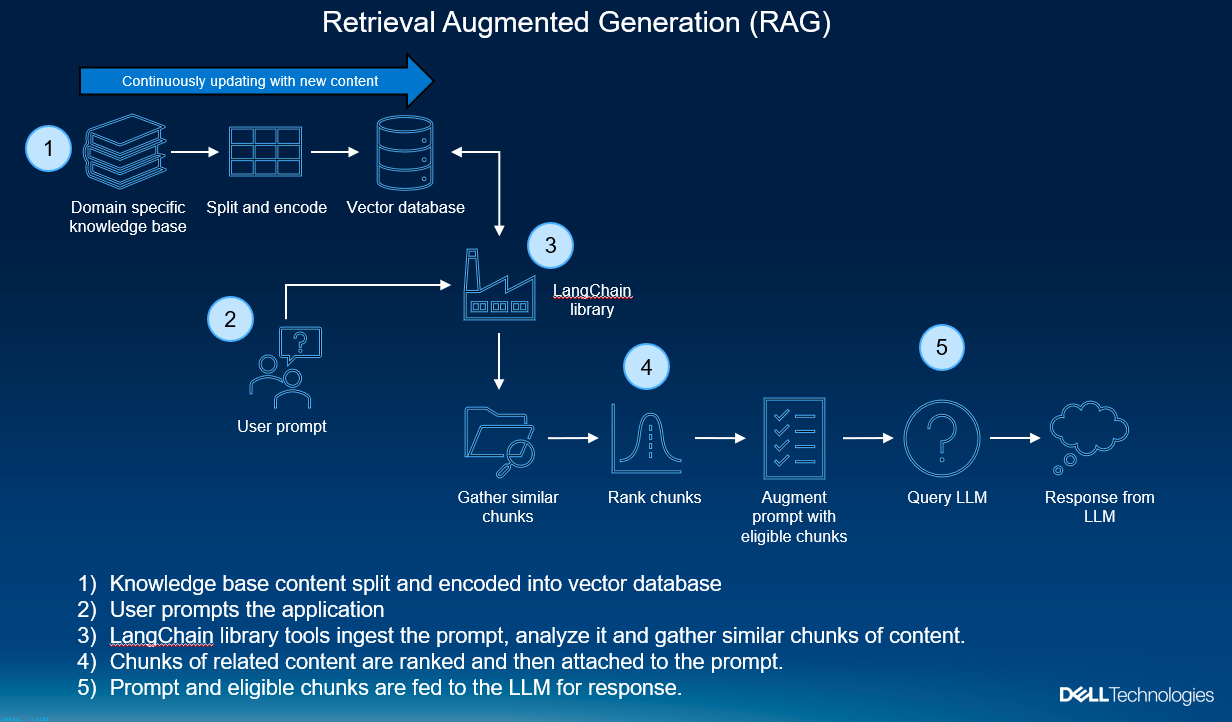
Ever wondered how your favorite AI assistant seems to know just what you're looking for, even when you're not quite sure yourself? It's like having a really smart friend who can read your mind - well, sort of. The magic behind this trick is something called Retrieval Augmented Generation, or RAG for short. Let's dive in and see what makes RAG so cool, yeah?
So, what's the deal with RAG?
Imagine you're trying to write a story about a mysterious island. You've got a vague idea, but you're stuck on the details. RAG is like your personal research assistant, helping you fill in the blanks. Here's how it works:
-
First, RAG takes your question or prompt and finds relevant information from a big database of text. This could be anything from encyclopedias to books to websites. It's like having a giant library at your fingertips.
-
Next, it picks out the most useful bits and pieces from that information. It's like RAG is highlighting the important parts for you, so you don't have to read through everything.
-
Finally, RAG uses that highlighted information to generate an answer or continue your story. It's like RAG is writing the story with you, using the facts it found to keep things interesting and accurate.

What is Retrieval Augmented Generation (RAG)?
But how does RAG know what's relevant?
Great question! RAG uses something called a retriever to find the most useful information. The retriever is like a smart search engine that understands context. It knows that when you ask about a mysterious island, you're probably not interested in the latest island music charts (although that would be pretty cool).
The retriever also uses something called embeddings. Think of embeddings as tiny, unique fingerprints for every piece of information. They help the retriever understand what's similar to what, so it can find the best matches for your question.
Why is RAG so awesome?
RAG is like having a personal assistant who's also a really good researcher. It can help you write, learn, or just find out random stuff you've always wondered about. But it's not just about convenience - RAG can also help make AI systems more transparent and trustworthy.

You see, when RAG shows you the sources it used, you can check if they're reliable. It's like having a fact-checker built right in. Plus, RAG can help AI systems learn from a wider range of information, not just what they were trained on. It's like giving your AI friend a whole new library to explore.
So, what's next for RAG?
RAG is still a relatively new kid on the block, but it's already making waves. Researchers are working on making RAG even better at understanding context, finding relevant information, and generating helpful responses. They're also exploring how RAG can be used in more complex tasks, like helping with creative writing or even solving scientific problems.
Who knows? Maybe one day, RAG will help us unlock the mysteries of the universe - or at least help us write the next big bestseller. Until then, let's enjoy the ride and see where this cool technology takes us!