
Poems On Various Subjects Religious And Moral
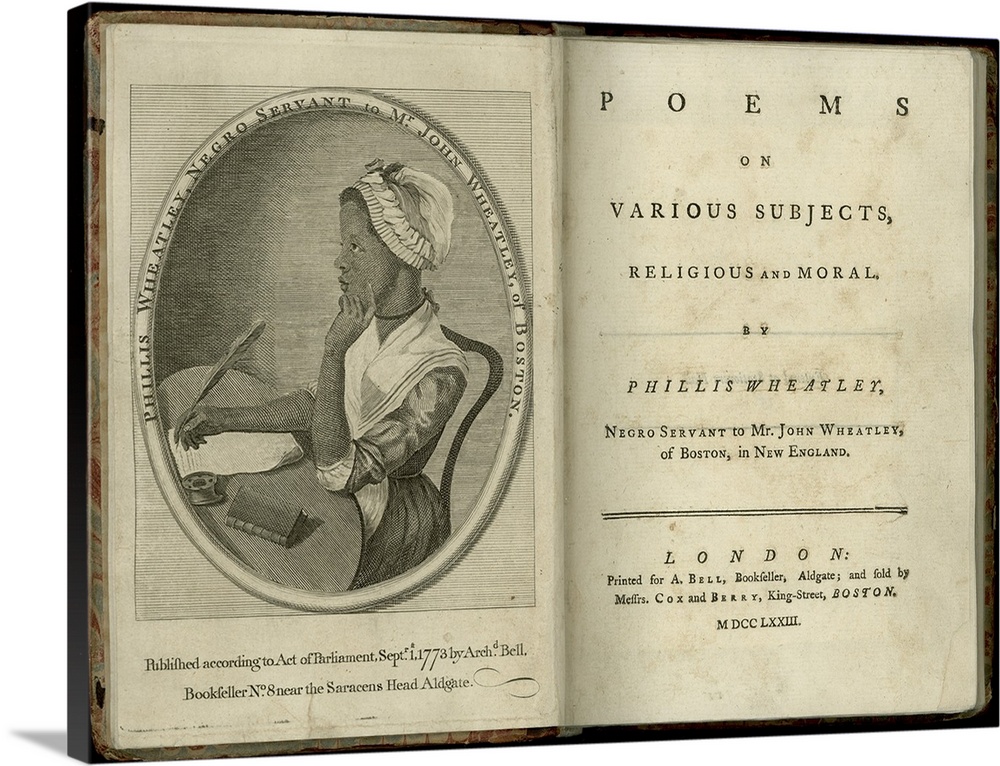
Hey there, poetry enthusiasts and curious minds! Today, we're diving into a collection that's been around since the 1700s, but don't worry, it's not as stuffy as your grandma's antique tea set. We're talking about Poems on Various Subjects, Religious and Moral by Phillis Wheatley, the first African-American woman to publish a book of poems. Let's grab a cup of tea - or coffee, no judgment here - and chat about this fascinating gem.
Who's This Phillis Wheatley Gal?
Phillis Wheatley was born in West Africa, kidnapped, and sold into slavery in Boston in 1761. She was just seven years old. But this young girl had a secret weapon: a brilliant mind and a love for words. She learned to read and write English in just 18 months, and by the time she was 12, she was writing poetry.
Her poems were so impressive that they caught the attention of some bigwigs in Boston. They vouched for her talent, and in 1773, her book of poems was published in London. Talk about a rags-to-riches story, right?
So, What's This Book About?
As the title suggests, Poems on Various Subjects, Religious and Moral is a mixed bag of themes. We've got odes to gods and goddesses, tributes to historical figures, and reflections on nature. There's even a poem about the Boston Massacre! But don't worry, it's not all heavy stuff. Wheatley also wrote about her personal experiences and feelings, giving us a rare glimpse into the life of an enslaved person in colonial America.
Here's a little taste: "On being brought from Africa to America, she wrote, 'Twas mercy brought me from my Pagan land, / Taught my benighted soul to understand / That there's a God, that there's a Saviour too: / Once I redemption neither sought nor knew.' Powerful stuff, huh?

Why Should We Care?
This book is a big deal for a bunch of reasons. First off, it's a testament to Wheatley's incredible talent and resilience. She didn't let her circumstances define her; she fought back with her pen. Plus, her work gives us a unique perspective on history. We get to hear about the American Revolution and the horrors of slavery from someone who lived through it all.
But maybe the most important reason is that this book shows us that everyone has a story to tell. No matter where we come from or what we've been through, our voices matter. And when we share our stories, we can connect with others, challenge stereotypes, and change the world.
So, Should I Read It?
If you're into history, poetry, or just want to read something that'll make you think, then yes, absolutely! But don't worry, you don't have to tackle the whole book at once. Start with one poem, see how you like it, and go from there. Who knows, you might just find your new favorite poet!

And hey, if you're feeling extra adventurous, why not try writing your own poem inspired by Wheatley's work? There's no better way to appreciate great art than by trying to create some of your own.
Smile, You're Learning!
And there you have it, folks! We've explored a fascinating book, learned about an amazing woman, and even dipped our toes into the world of 18th-century poetry. Not bad for a casual chat, huh? So the next time someone tells you that history is boring, you can smile and say, "Not when you're learning about Phillis Wheatley, it's not!"
Keep exploring, keep learning, and most importantly, keep smiling. Because knowledge is power, and a smile is the best accessory you can wear. Until next time, happy reading!