
The Tower Of Babel By Pieter Bruegel The Elder
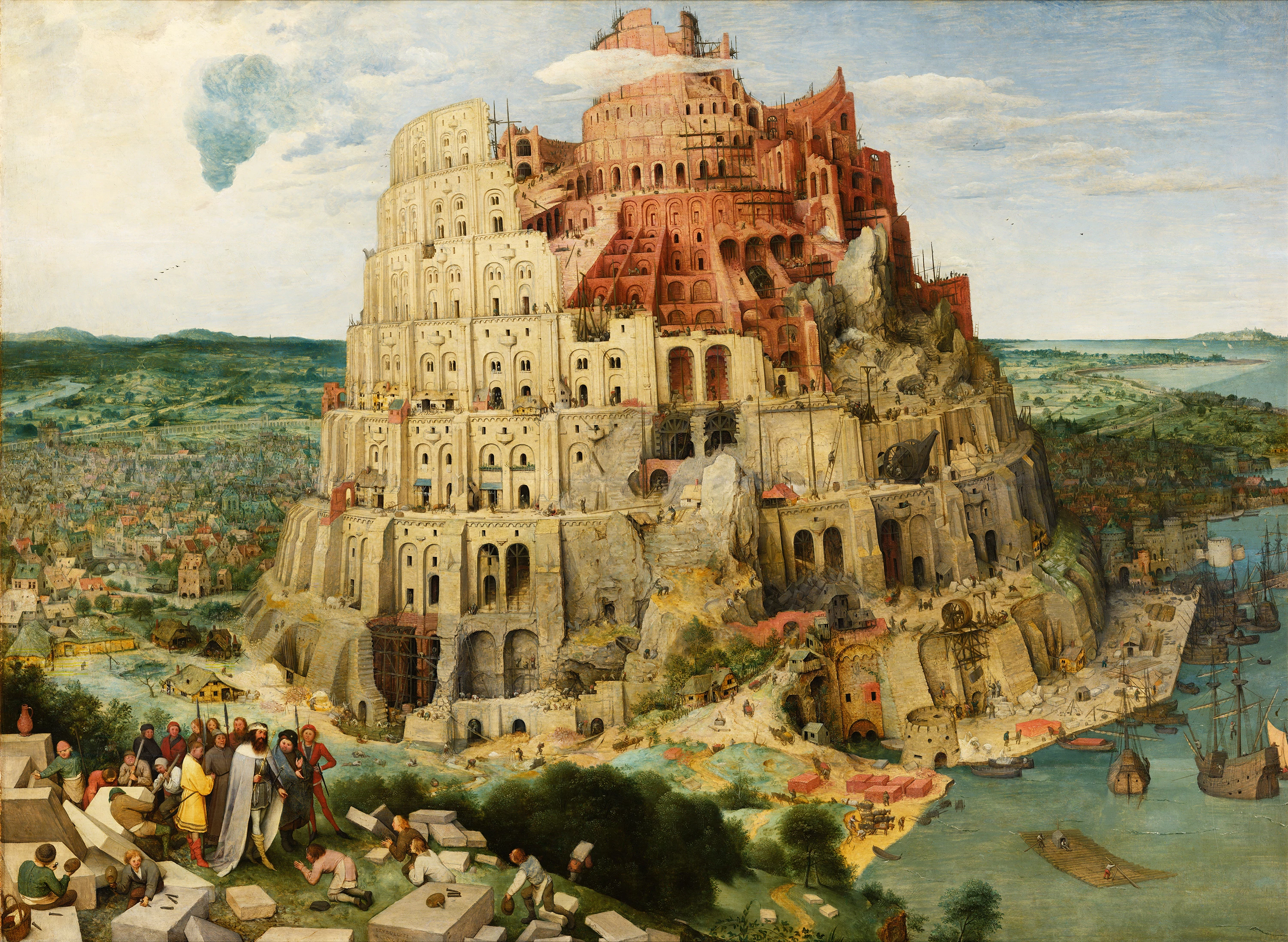
So, you've found yourself in front of Tower of Babel, huh? Let me spill the beans on this masterpiece by Pieter Bruegel the Elder. Grab a coffee, get comfy, 'cause we're about to dive in.
Meet Pieter, the Master Storyteller
Pieter Bruegel the Elder, our man, was a Belgian artist from the 16th century. He was like the Netflix of his time, telling stories through his art. And boy, did he have a knack for it!
Now, let's talk about this Tower of Babel business. It's one of Bruegel's most famous works, and for good reason. It's a visual feast, a puzzle, a history lesson, all rolled into one.
What's the Deal with the Tower?
Ever heard the story of the Tower of Babel? It's from the Bible, Genesis chapter 11. Long story short, humans try to build a tower tall enough to reach heaven. God, not too pleased with their hubris, confuses their languages, and boom - communication chaos.
Bruegel, being the clever guy he was, uses this story to comment on his own time. See, the 16th century was a time of religious conflict and political upheaval. Bruegel's tower could be seen as a metaphor for the crumbling unity of Europe.
Let's Break It Down
Alright, let's take a closer look at the painting. It's like a game of 'I Spy,' but with 16th-century symbolism.

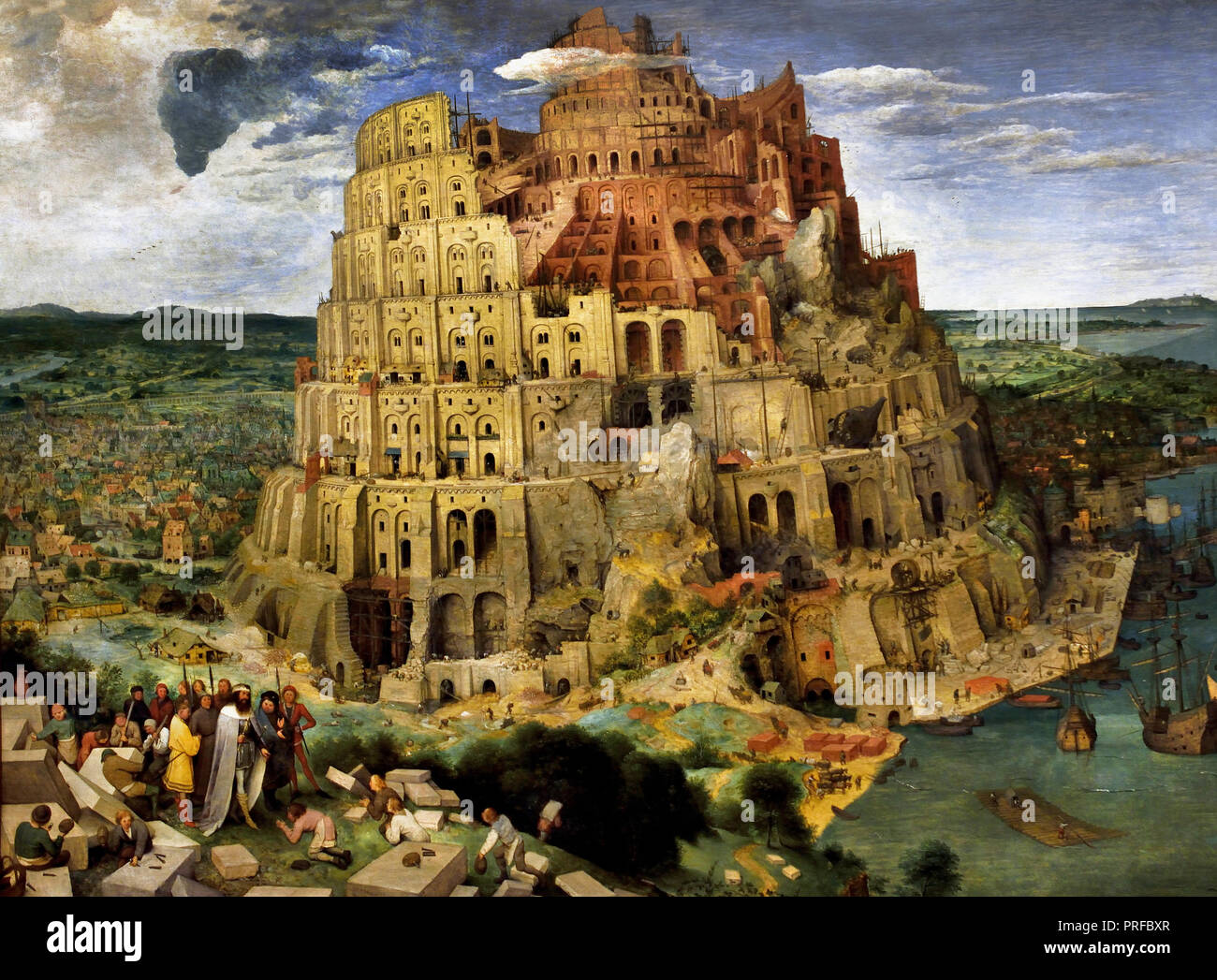
First, you've got the tower itself. It's a mess of half-finished walls, cranes, and scaffolding. It's chaotic, right? That's Bruegel's point. Human ambition can lead to disorder and confusion.
Now, check out the people. They're all over the place, speaking different languages, doing different jobs. It's like a snapshot of the Tower of Babel story in action. Bruegel was a master of detail, so take your time to spot all the little scenes.
And look up there! See the tiny figures at the top of the tower? They're so small, they're almost lost. That's Bruegel's way of saying that humans, no matter how ambitious, are tiny compared to God.
Why It's Still Relevant Today
You might be thinking, 'That's all well and good, but what's it got to do with me?' Well, here's the thing: Bruegel was commenting on the divisions of his time, but his message is still relevant today.
We're all still trying to communicate, to build, to reach for the heavens, in a way. And sometimes, we still struggle with confusion and division. So, maybe Bruegel's message is to remember our shared humanity, to listen, and to work together.
Food for thought, huh? Now, who's ready for a refill?