
What Did Ancient Greek Olympic Athletes Wear

So, I was watching the Olympics the other day, right? And I started thinking, "Man, those athletes have it tough. All that training, the pressure, the early mornings..." But then it hit me, at least they've got fancy gear to make them look (and feel) like a million bucks. I mean, those sleek suits, the high-tech shoes, the state-of-the-art equipment - it's all pretty impressive. But you know what? It's got nothing on what ancient Greek Olympic athletes wore. Or rather, didn't wear.
Less is More, Right?
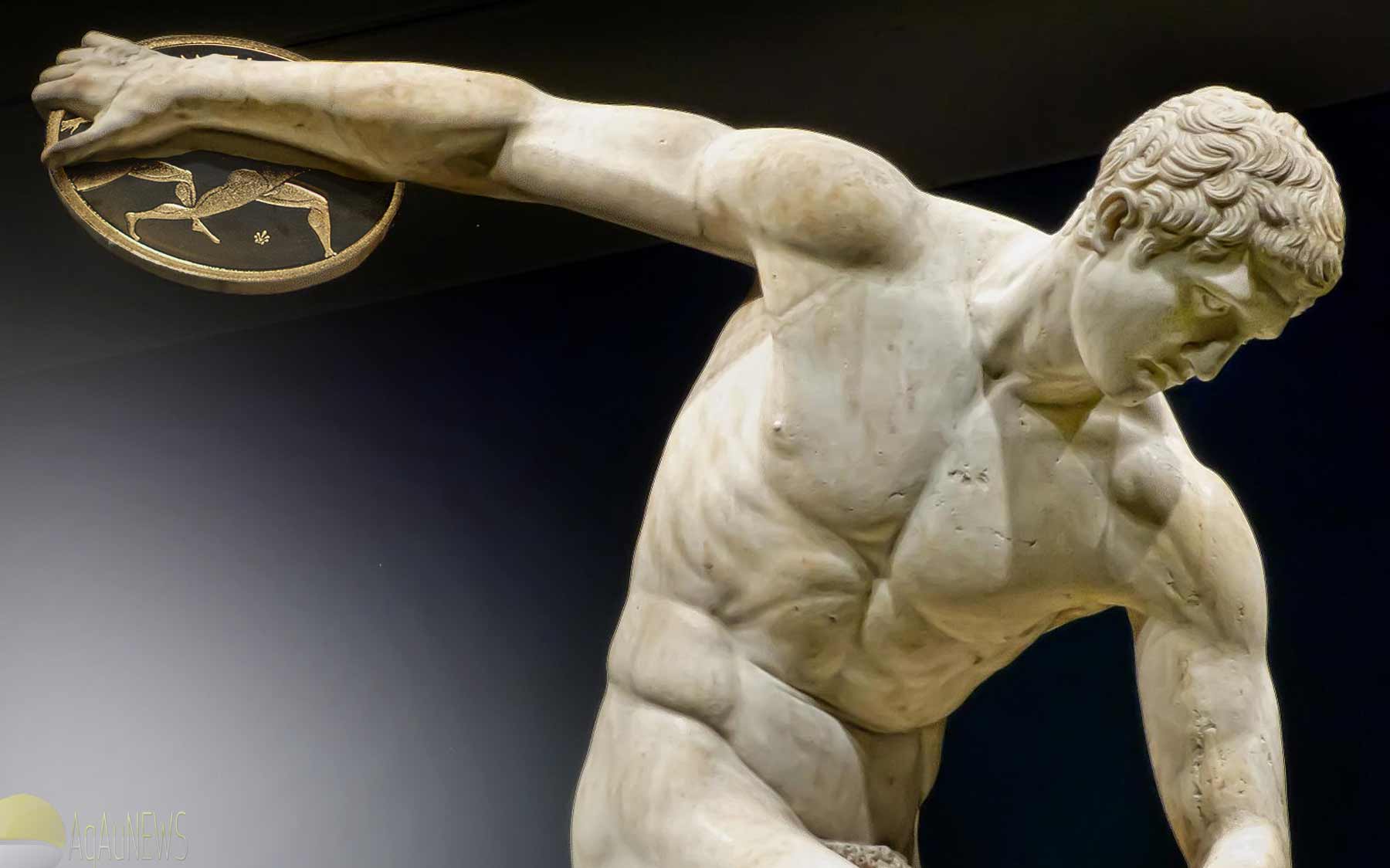
Alright, let's set the scene. It's the ancient Olympics, around 776 BC. You're an athlete, you've been training your butt off for this moment. You're about to compete in front of thousands of people, and you know what you're wearing? Not much. I mean, not much at all. We're talking about a simple piece of cloth, called a perizoma, wrapped around the waist and tied at the side. It was basically a fancy loincloth. And that was it. No Nike, no Adidas, no Under Armour. Just you, your oily skin (more on that later), and a bit of cloth.
Now, I don't know about you, but I've never felt more underdressed than when I'm at the beach. And these guys were running, jumping, and wrestling in front of a crowd with barely anything on. Talk about a confidence boost, huh? But hey, they were Greek gods in training, so I guess they could pull it off.
Oil Up, Boys!
You might be thinking, "Okay, so they wore a bit of cloth. That's not so bad." Well, hold onto your togas, because things are about to get oily. Ancient Greek athletes had a thing for olive oil. They'd rub it all over their bodies before competing. It wasn't just for good luck or to make them smell like a Mediterranean picnic. No, no, it served a practical purpose. The oil helped to keep their skin smooth and prevented chafing. It also made them slippery, which was particularly useful in wrestling matches. I mean, have you ever tried to grab a greased-up cat? Exactly.
But here's the thing, folks. While we're all for a good moisturizing routine, the ancient Greeks took it to a whole new level. They'd oil up before every event, and they'd do it in public. I'm talking about the equivalent of a modern-day athlete oiling themselves up in the middle of the stadium, right before the race. Talk about a spectacle!

Footwear: Optional
Now, let's talk about footwear. Or rather, the lack thereof. You'd think that running around in a loincloth and olive oil would be enough to set you apart from the crowd. But no, ancient Greek athletes also liked to go barefoot. I mean, why wear shoes when you can have calluses the size of dinner plates, right?
But seriously, running barefoot was actually quite common back then. It was cheaper, for one, and many athletes believed it helped them connect with the earth and improve their performance. Plus, it was one less thing to lose in the heat of competition. Literally. I can't imagine trying to chase down an opponent while my shoes are flying off in every direction.
Crowning Glory
Alright, so we've established that ancient Greek athletes weren't exactly dressed for a fashion show. But they did have one accessory that made up for their lack of clothing: the olive wreath. This wasn't just any old wreath, mind you. It was a symbol of victory, and it was awarded to the winner of each event. It was made from the leaves of an olive tree, which was sacred to the goddess Athena, and it was a big deal.
Now, I don't know about you, but I'd be pretty proud to walk around with an olive wreath on my head. It's like the ancient Greek equivalent of a gold medal, and it was a sign of honor and respect. So, while they might not have had the latest gear, at least they had something to show for their hard work.
So, What's the Point?
You might be wondering why I'm going on about what ancient Greek athletes wore (or didn't wear). Well, aside from the fact that it's a fascinating topic, it's also a reminder that athletes have been pushing their bodies to the limit for thousands of years. And while the gear has changed, the spirit remains the same. It's about dedication, hard work, and a desire to be the best.
So, the next time you're watching the Olympics and you find yourself admiring the latest sportswear, just remember: it could be worse. You could be running around in a loincloth and olive oil. And hey, maybe that's not such a bad idea after all. I mean, think of the money you'd save on sunscreen!