
17th Century Dutch Picture Frames

Ever found yourself admiring a painting in a museum, only to be drawn to the frame as much as the artwork itself? You're not alone. Dutch picture frames from the 17th century are like the original Instagram filters, adding a touch of style and context to the masterpieces they surround. Let's dive into the fascinating world of these gilded gems.
Golden Age, Golden Frames
The Netherlands in the 17th century was a cultural powerhouse, a period known as the Dutch Golden Age. Art was booming, and so was the demand for frames that could do justice to these masterpieces. Enter the schilderij Frame, the Dutch term for a painting frame.
These frames weren't just about aesthetics; they served a practical purpose too. They protected the paintings from dust and damage, and their depth allowed for the inclusion of additional artworks or decorations. Talk about multitasking!
Must Read
Frame Material: The Gold Standard
The most iconic Dutch frames were made from oak, a sturdy and abundant local wood. But what really made them stand out was the gilding - a thin layer of gold applied over a base of clay and glue, known as gesso. It was a labor-intensive process, but the result was a frame that shimmered like a Rembrandt masterpiece.
Fun fact: The gold used in these frames wasn't just for show. It was also a symbol of wealth and status. In a time when gold was a precious commodity, having a gilded frame was like having a solid gold Rolex today - a statement piece.
Design: More Than Meets the Eye
Dutch frames didn't just stop at gold. They were intricately designed, often featuring intricate carvings and patterns. These designs weren't just for looks; they held cultural significance too. For instance, the c-scroll pattern was inspired by classical architecture, reflecting the Dutch fascination with ancient Greece and Rome.
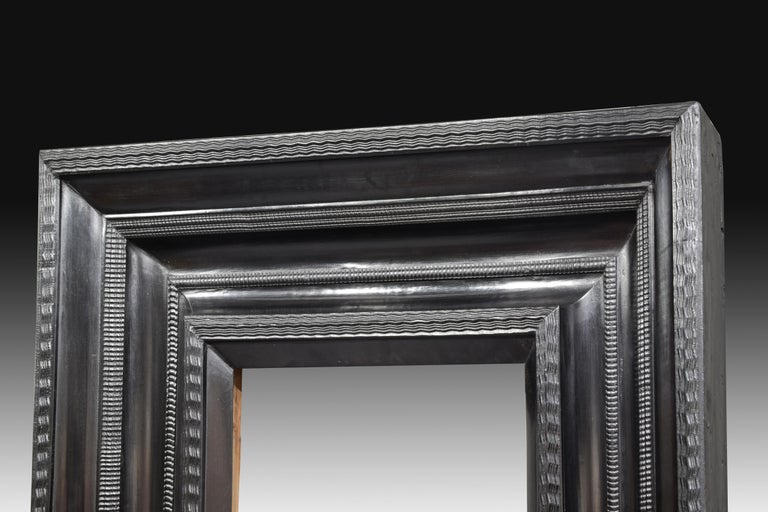
Some frames even featured putti, chubby cherubs that were all the rage in 17th-century art. They were often depicted playing musical instruments or holding garlands, adding a touch of whimsy to the otherwise serious frames.
Frame Makers: The Unsung Heroes
While we know the names of the artists whose works these frames held - Rembrandt, Vermeer, and many more - the frame makers remain largely unsung heroes. Yet, their craft was just as intricate and demanding. It could take weeks to carve and gild a single frame.
One such frame maker was Pieter de With, who created frames for many of Rembrandt's works. His frames were so highly regarded that Rembrandt himself would often reuse them for different paintings, a testament to their enduring quality and design.

Practical Tips: Framing Like the Dutch
Feeling inspired to give your artwork the Dutch Golden Age treatment? Here are some tips:
- Choose a sturdy wood like oak or maple for your frame.
- Consider gilding, but remember it's a commitment. It's best suited for frames that will be on display for a long time.
- For the design, think about the artwork and the room it will be in. A simple, elegant design can complement a wide range of styles.
- Don't forget the backing. A good backing will protect your artwork from dust and moisture.
Reflection: Art in Everyday Life
In our daily lives, we might not be surrounded by 17th-century masterpieces, but we can still appreciate the art of framing. It's not just about protecting our artwork; it's about adding a touch of style, a bit of context, a splash of gold. It's about making our spaces - and our lives - a little more beautiful.
So, the next time you're admiring a painting, take a moment to appreciate the frame too. It's not just a border; it's a story, a symbol, a work of art in its own right. And that, dear reader, is something worth framing.