
Andy Warhol Most Famous Work
Andy Warhol's Most Famous Work: The Pop Art Phenomenon
So, you're curious about Andy Warhol's most famous work, huh? Well, grab a coffee, get comfy, and let me spin you a yarn about the man, the myth, the pop art legend, and his most iconic piece, Campbell's Soup Cans.
Andy Who Now?
Alright, let's rewind. Andy Warhol was an American pop artist who was as famous for his eccentric personality as he was for his art. Born in 1928, he grew up in Pittsburgh, the son of Ruthenian immigrants. He was a sickly kid, spending a lot of time indoors, which is where his love for comic strips and advertisements blossomed.
Fast forward to the 1960s, and Warhol is living it up in New York City, hanging out with the likes of Marilyn Monroe and Elvis Presley. He's the king of the pop art scene, and his studio, The Factory, is the place to be seen. But what made this silver-wigged, camera-carrying, soup-loving man so darn famous?
Enter the Soup Cans
In 1962, Warhol created his most famous work, Campbell's Soup Cans. Now, you might be thinking, "Soup cans? Really? That's it?" Well, hold onto your hats, because this isn't your grandma's soup can collection.
Warhol took those humble, everyday soup cans and turned them into a statement. He painted 32 canvases, each one representing a different flavor of Campbell's Soup. He used the exact same brushstrokes and colors as the cans themselves, making them look like they'd just rolled off the assembly line.
But why soup cans, you ask? Well, Warhol had a thing for everyday objects. He wanted to elevate the mundane and make people look at ordinary things in a new light. Plus, he was a soup lover himself, claiming he could live on it alone. (Though I doubt his doctor would've approved.)

More Than Just Soup Cans
Now, you might be thinking, "Okay, soup cans are cool and all, but what's the big deal?" Well, let me tell you, these soup cans were a game-changer.
First off, they challenged the idea of what art should be. Up until then, art was supposed to be unique, handcrafted, and meaningful. Warhol's soup cans were mass-produced, repetitive, and, well, kind of boring. But that was the point. He was saying, "Hey, art can be whatever we want it to be."
Plus, these soup cans were a commentary on consumer culture. They were a symbol of the American Dream, the idea that anyone could pull themselves up by their bootstraps and make it big. And what's more American than Campbell's Soup?

From Soup Cans to Stardom
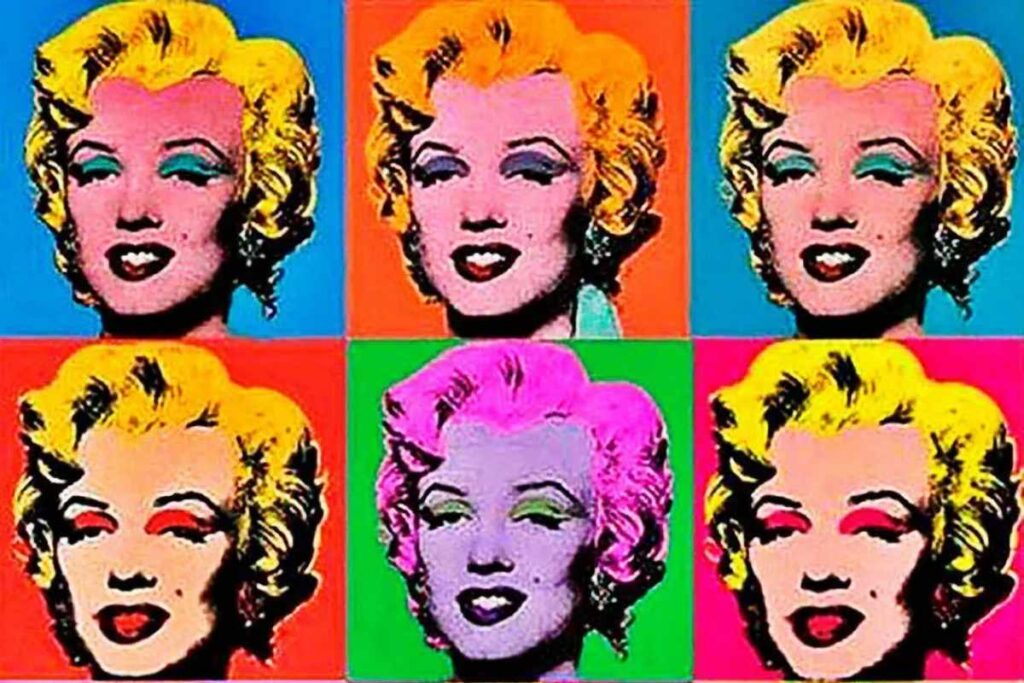
Warhol's soup cans were a hit. They got him noticed, and soon enough, he was the talk of the town. He went on to create more iconic pieces, like his Marilyn Monroe diptych and his famous Shot Sage Blue Marilyn portrait. He even had his own TV show, Andy Warhol's Fifteen Minutes, where he interviewed everyone from Salvador Dalí to the Velvet Underground.
But it wasn't all fame and fortune. In 1968, Warhol was shot by a woman named Valerie Solanas, who was upset that he wouldn't produce her play. He survived, but the shooting left him with a permanent scar and a newfound appreciation for life.
Warhol's Legacy
Warhol died in 1987, but his legacy lives on. His art is worth millions, and his influence can be seen everywhere, from advertising to fashion to music. He proved that art can be anything, and that even the most ordinary objects can be extraordinary.
So, the next time you're in a museum, standing in front of a painting of a soup can, remember Andy Warhol. Remember the man who took the mundane and made it magnificent. And then, when you get home, have a can of soup for dinner. Because, hey, Andy would've wanted it that way.