
Antique China Blue And White
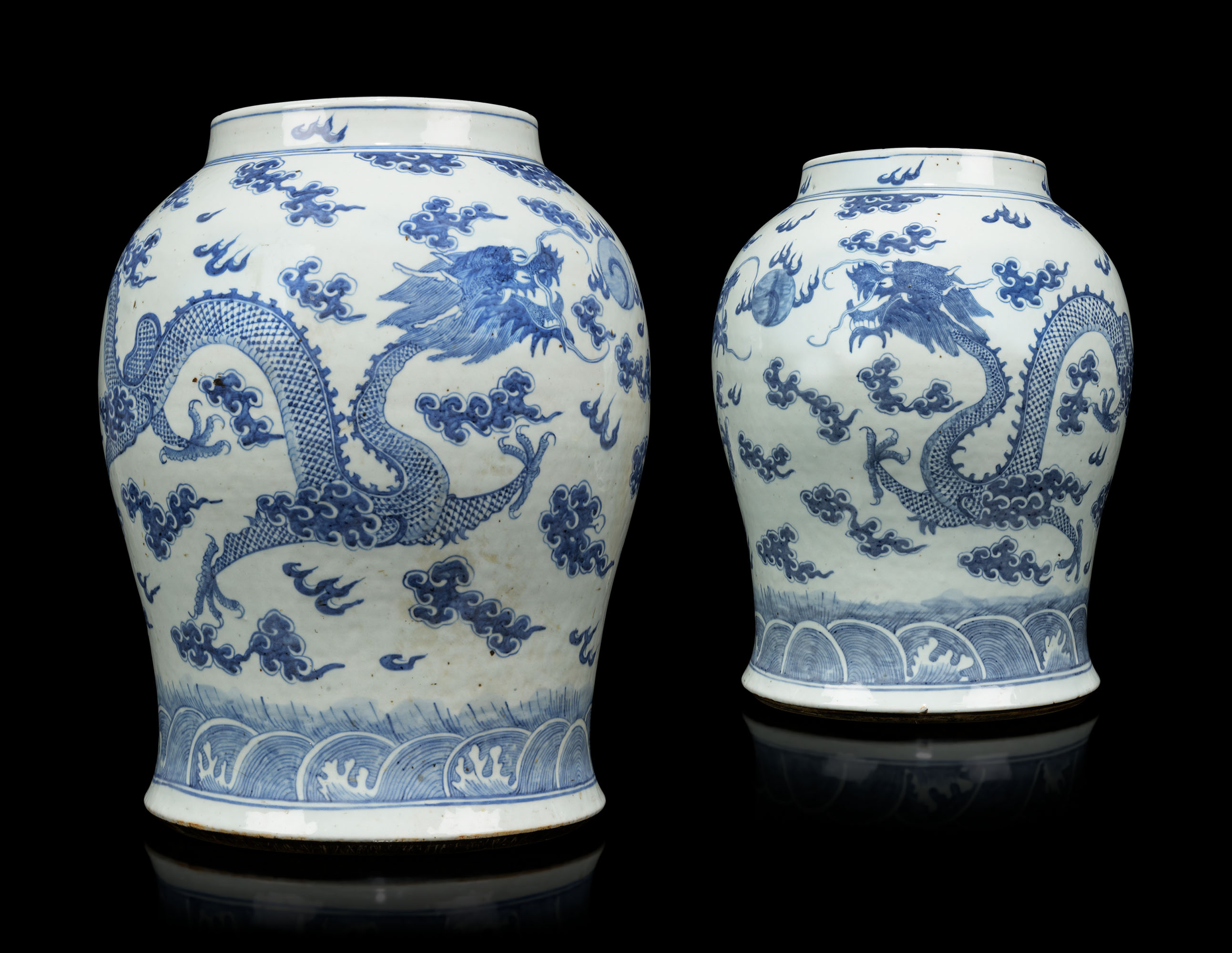
Ever seen a vase or teacup so pretty it makes you pause mid-scroll? Chances are, it’s blue and white china—the OG Instagram-worthy dishware. This isn’t just pottery; it’s a time capsule of sass, silk roads, and the kind of elegance that says, "I’ve seen things." And honestly? We’re all here for it.
Meet the Blue and White Duo: Porcelain’s Power Couple
Picture this: white porcelain so smooth it could double as a mirror, paired with blue cobalt oxide that pops like a neon sign in a quiet room. This combo wasn’t just pretty—it was practical. Back in the day, blue and white wasn’t just for show; it was the original "I got this" of dinnerware. No chipped edges, no sad stains—just pure, cool vibes.
Where Did It All Start?
The blue and white craze kicked off in China’s Ming Dynasty (1368–1644), when porcelain became the black card of luxury. The Chinese were like, "We’ve got this secret blue pigment, and it’s *chef’s kiss."* Then, like a plot twist in a soap opera, the Europeans got their hands on it—thanks, Silk Road traders—and suddenly, everyone wanted in.
Fun fact: The blue wasn’t just any blue. It came from cobalt ore, mined in places like Persia (modern-day Iran). Imagine the drama of shipping these precious stones across continents—like the Ocean’s Eleven of ceramics.
Why Blue and White? The Psychology of Porcelain
Blue and white isn’t just a color scheme; it’s a mood board. Blue = calm, white = purity. Together? Perfect. It’s like the Avengers of tableware—everyone gets along, and the results are iconic.
Plus, blue and white was cheaper to produce than the fancy red or gold designs. Think of it as the fast fashion of its time—affordable, stylish, and impossible to resist.
Royal Flush: When Blue and White Went VIP
Kings, queens, and very important collectors lost their minds over blue and white. The Korean Joseon Dynasty went full thrift flipper with Chinese imports, while the Dutch East India Company treated it like the NFTs of the 17th century—highly valuable, hard to get, and so exclusive.
Queen Elizabeth I had a thing for it. Like, obsessed. Her collection was so legendary, historians still debate whether she was a porcelain hoarder or just a visionary. Either way, she nailed the aesthetic.

Blue and White in the Wild: From Tea Cups to Space
Blue and white didn’t just stay in palaces. It invaded everyday life—teacups for the tea party elite, plates for the common folk, and even toilet bowls (yes, really). By the 1800s, factories in England and Germany were churning out their own versions, like knockoff designer bags but for dinnerware.
And here’s where it gets weirdly futuristic: In 2019, NASA sent a blue and white porcelain teacup to the International Space Station. Because why not? It’s space tea time if you’re into that.
The Weird and Wonderful: Blue and White’s Quirky Side
Not all blue and white is pretty. Some pieces are glitchy—think cracked porcelain with blue that’s more electric blue than sky-blue. Others have mysterious symbols that look like alien hieroglyphs. Collectors love them because they’re like porcelain mysteries.
Then there’s the blue and white "joke" pottery—vases with ridiculously detailed scenes of people doing very specific things, like a man fishing while a cat judges him. It’s like porcelain memes from the 1500s.
How to Spot a Fake (Without Being a Snob)
Not all blue and white is legit. Some modern pieces are too perfect, with flawless blue that looks like it was printed. Real vintage? Look for imperfections—tiny cracks, uneven glaze, or hand-painted quirks. It’s like finding the soul of the piece.

Also, old blue is darker. New blue? It’s more like a TikTok filter. Pro tip: If it’s too bright, it’s probably not your grandma’s teacup.
Why Blue and White Still Slaps Today
Blue and white isn’t just nostalgic—it’s timeless. It’s the white t-shirt of ceramics, always in style. Whether you’re sipping tea in a fancy café or serving dinner in a rustic farmhouse, it works.
Plus, it’s endlessly customizable. Want a cat-themed teacup set? A space-themed dinnerware? Blue and white’s your canvas. It’s like porcelain Lego—just add imagination.
The Bottom Line: Blue and White is Just Cool
Blue and white china isn’t just decor. It’s history, art, and a little bit of magic. It’s the kind of thing that makes you pause and think, "How did they do that?" And honestly? That’s half the fun.
So next time you’re scrolling through Etsy or flipping through a thrift store find, keep an eye out for that iconic blue and white. Because let’s be real—you might just have a piece of porcelain history in your hands.