
Antique Oak Dining Room Table

Timeless Gatherings: The Antique Oak Dining Room Table
Imagine this: you're hosting a dinner party, and your guests are oohing and aahing over the centerpiece. No, not the floral arrangement or the cheese board - it's your antique oak dining room table. It's not just a piece of furniture; it's a conversation starter, a storyteller, and a testament to the passage of time.
An Oak-ay History Lesson
Let's rewind a bit. Oak trees have been around since the Tertiary period, making them older than the pyramids. And that's exactly what you're bringing into your home when you invite an antique oak table to the party. These tables, often crafted in the 18th and 19th centuries, were built to last - and last they have.
Think of it as a piece of history, a silent witness to centuries of gatherings, feasts, and family moments. Each knot, each grain, tells a story. It's like having a time-traveling companion in your dining room, and that's pretty cool.
From Farmhouse to Formal
Antique oak tables come in various styles, from the rustic farmhouse table to the elegant, intricately carved dining table. The trestle table, for instance, was a staple in medieval farmhouses, while the refectory table, with its long, narrow design, was often found in monasteries.
Today, these tables have found their way into modern homes, adding a touch of rustic charm or old-world elegance to our spaces. They're versatile like that, fitting seamlessly into both contemporary and traditional settings.
Caring for Your Historic Centerpiece
So, you've fallen in love with an antique oak table. Great! Now, let's talk care. First off, no direct sunlight. Prolonged exposure can cause the wood to fade and dry out. Think of it like your skin - too much sun isn't good for it either.
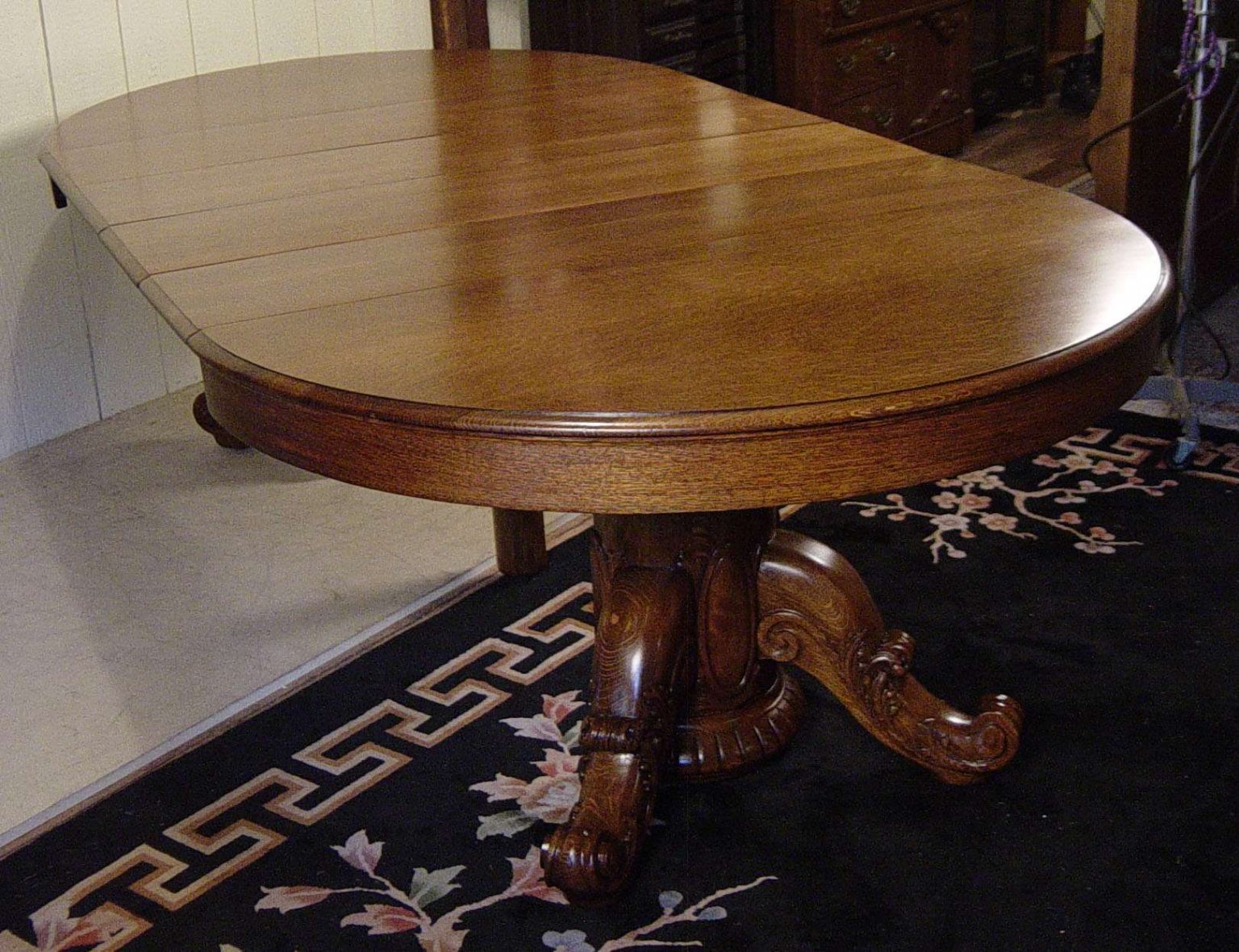
Next, dust regularly. Use a soft, dry cloth or a slightly damp one with a mild soap solution. Avoid waxing or polishing unless you're sure it won't damage the patina - that beautiful, aged finish that tells the table's story.
And hey, don't be afraid to use it. That's what it's there for. After all, every scrape, every mark, adds to its history. Just remember to use coasters and tablecloths to protect the surface.
Setting the Table: A Cultural Affair
Dining tables have always been more than just furniture. They're the heart of the home, the stage for our shared meals and stories. In many cultures, the dining table is a symbol of hospitality and community.
In Japan, the chabudai, a low table used for seating on the floor, is a central part of traditional tea ceremonies. In Italy, the cucina is the hub of the home, where families gather around the table for meals and conversation.

Our antique oak tables, with their rich history and timeless design, are a part of this global tradition. They're not just pieces of furniture; they're cultural artifacts, inviting us to gather, to share, to connect.
Reflections at the Table
As you sit down to your next meal, look around. See the history in the grain of the wood, the stories in the patina. This table has seen generations come and go, celebrations and quiet moments. It's been a silent witness to life's great dramas and everyday joys.
And now, it's your turn. What stories will you add to its history? What memories will you create around it? Because that's what makes an antique oak dining room table truly special - it's not just a piece of the past, but a piece of your future.
So, go on. Set the table. Gather your loved ones. And let the good times - and the good stories - roll.