
Art Movement In 19th Century
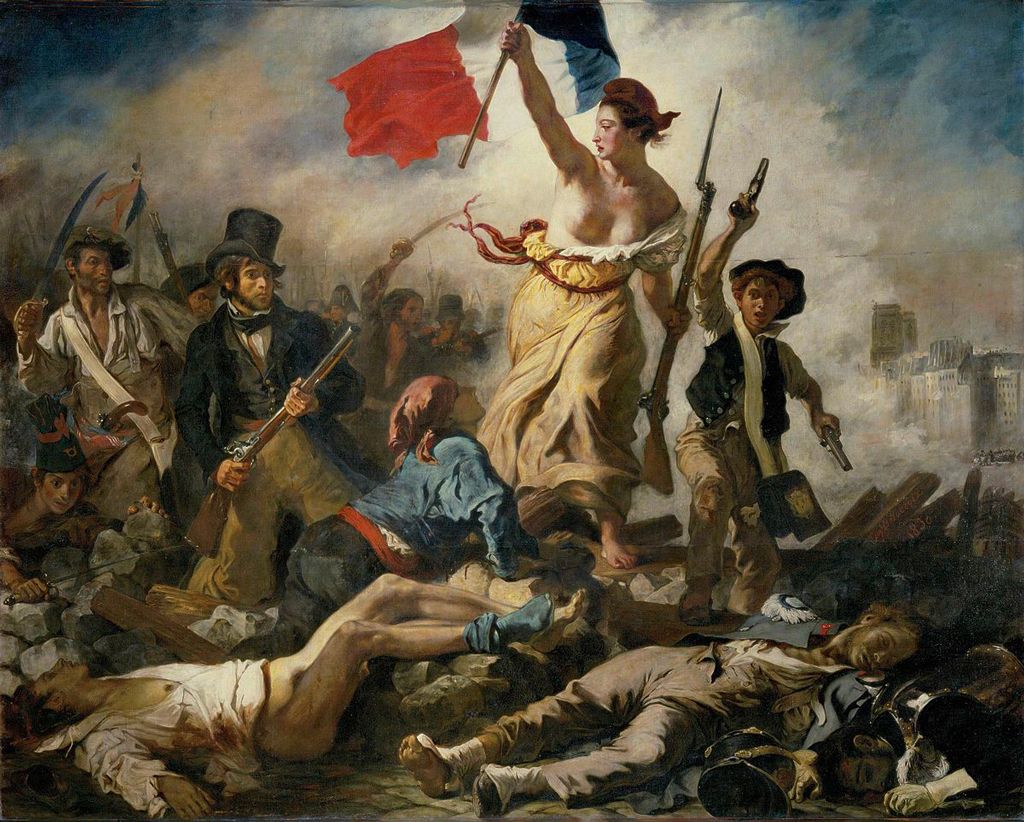
Hey there, art enthusiast! Grab a cup of coffee, get comfy, and let's dive into the whirlwind that was the 19th-century art scene. It's like we're going on a wild art history ride, so buckle up!
Romanticism: Nature's Call
Kicking things off in the early 1800s, we've got Romanticism. These guys were all about emotion, individualism, and the beauty of nature. Think of them as the original eco-warriors, painting landscapes that would make even the grumpiest city slicker want to trade their concrete jungle for a cabin in the woods.
Take Caspar David Friedrich, for instance. His painting "Wanderer above the Sea of Fog" is like the ultimate selfie of the 19th century. A lone figure stands on a cliff, gazing out at the vast, mysterious landscape. It's like Friedrich was saying, "Yo, nature's dope, go explore!"
Realism: Hold Up, Let Me Get My Glasses
Now, fast forward to the mid-1800s, and we've got Realism. These artists were like the fact-checkers of the art world. They wanted to paint life as it really was, warts and all. No more fluffy landscapes or mythical scenes – they were all about the gritty reality.
Think of Gustave Courbet's "The Origin of the World". It's a close-up painting of a woman's, well, you know. It's not exactly what you'd expect to see in a stuffy museum, but that's the point. Courbet was like, "Hey, art should reflect real life, not just pretty stuff."
Impressionism: Let's Blur This Up
Alright, now we're getting to the good stuff – Impressionism. These guys were all about capturing the fleeting moments of life, using loose brushstrokes and vibrant colors. It's like they were trying to paint a snapshot, rather than a posed portrait.

Take Claude Monet's "Impression, Sunrise". The title is literally a description of what you're looking at – a sunrise over the harbor of Le Havre. It's all smudgy and indistinct, but that's the point. It's like Monet was saying, "Life's too short to paint every little detail!"
Post-Impressionism: Let's Get Weird
Finally, we've got Post-Impressionism. These artists took the Impressionists' ideas and ran with them, creating some seriously weird and wonderful art. We're talking distorted forms, clashing colors, and symbols hidden in every corner.
Think of Vincent van Gogh's "Starry Night". Those swirling stars, that crazy tree – it's like Van Gogh was painting a dream, not a real place. And let's not forget Paul Gauguin's "Where Do We Come From? What Are We? Where Are We Going?". The title alone is enough to make your head spin!

So there you have it, folks! The 19th century was a wild ride in the art world. From Romanticism's love affair with nature to Realism's gritty truth-telling, Impressionism's fleeting moments, and Post-Impressionism's weird and wonderful symbols, it was a century of change and innovation.
And you know what? That's what art's all about. It's about pushing boundaries, challenging norms, and making people think – and feel. So the next time you look at a painting, remember that it's not just a pretty picture. It's a snapshot of history, a reflection of the artist's soul, and a piece of the human experience.
Now go forth, art lovers, and enjoy the ride!