
Art Of Jean Michel Basquiat

Jean-Michel Basquiat: The Neo-Expressionist with a Streetwise Heart
Ever wondered about the guy who went from subway graffiti to millionaire artist in just a few years? That's Jean-Michel Basquiat for you. Born in Brooklyn in 1960, this Haitian-American kid was no ordinary child. He had a knack for drawing and a mind full of ideas that would one day make him a sensation in the art world.
Basquiat's journey began on the streets of New York. As a teenager, he and his friend Al Diaz would tag buildings with cryptic graffiti under the name SAMO. Their work was a mix of social commentary and street poetry, a precursor to the powerful messages that would later fill his canvases.
From Subway to Studio
In the late 70s, Basquiat started creating art on canvas and paper, incorporating symbols and words from his graffiti days. His work caught the eye of downtown art scenesters, and soon he was exhibiting in galleries and rubbing shoulders with the likes of Andy Warhol and Keith Haring.
Must Read
Basquiat's rise to fame was meteoric. In 1981, he had his first solo show at the age of 20. By 1982, he was featured in a group show at the prestigious Documenta exhibition in Germany. And in 1983, he became the youngest artist ever to exhibit at the Whitney Biennial.
Neo-Expressionism with a Streetwise Twist
Basquiat's art was raw, energetic, and full of symbolism. He was a Neo-Expressionist, part of a movement that reacted against the cool, conceptual art of the 70s. But Basquiat's work was different. It was deeply personal, drawing on his Caribbean heritage, his love of jazz, and his experiences growing up in New York.
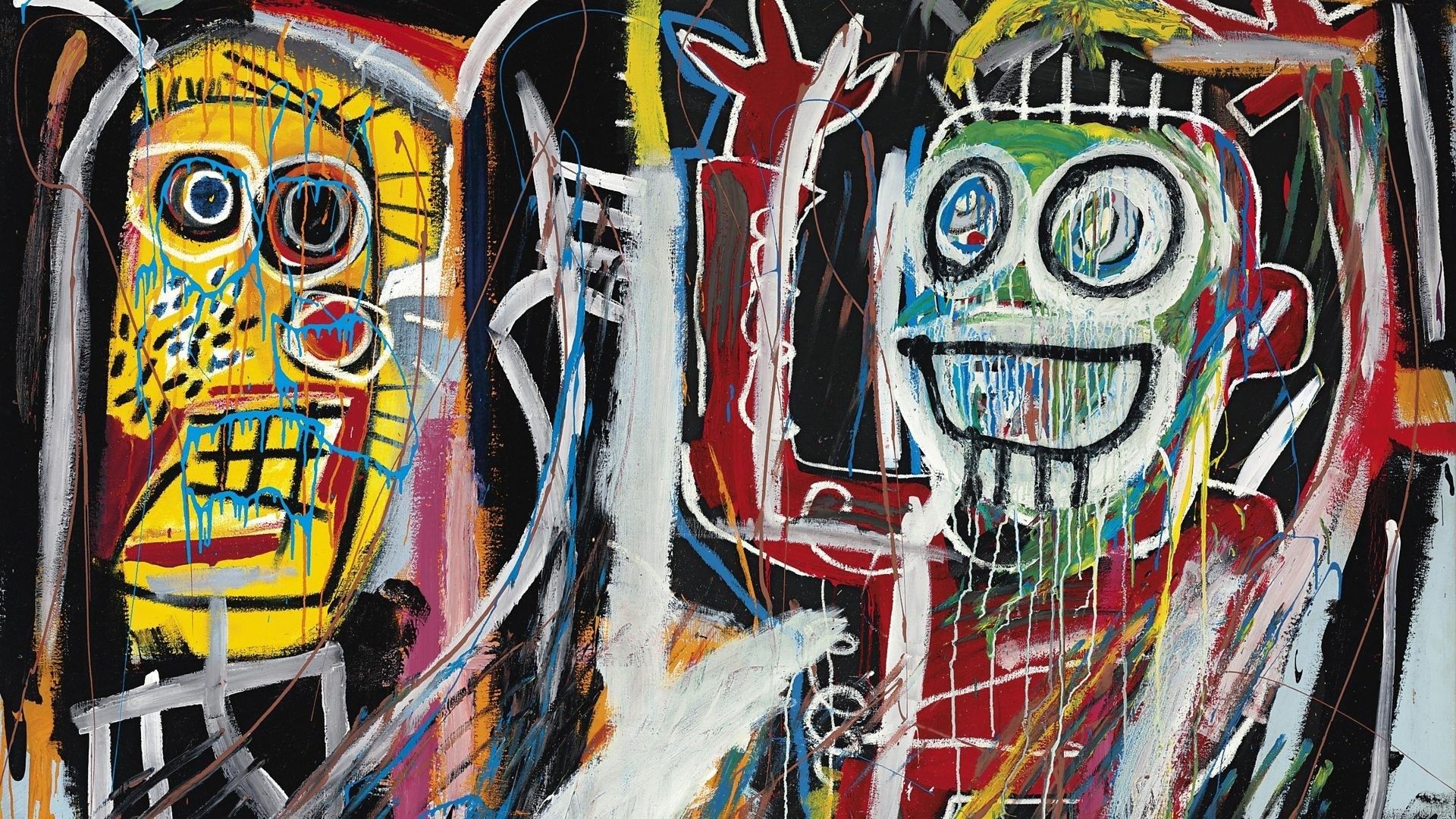
His signature style featured bold outlines, vibrant colors, and a mix of words, symbols, and figures. He often painted on found objects like old doors and furniture, giving his work a rough, urban edge. And he wasn't afraid to tackle big themes like race, power, and identity.
Basquiat and Warhol: The Ultimate Art Bromance
Basquiat's rise to fame coincided with his friendship and collaboration with Andy Warhol. The two became fast friends, their relationship a mix of mentorship, competition, and mutual admiration. They even collaborated on a series of paintings, with Warhol contributing his signature silkscreens and Basquiat adding his distinctive hand-painted elements.
Warhol once said, "Jean-Michel is like a kid with a new toy. He's always discovering something new." And Basquiat, in turn, called Warhol "my father, my brother, my lover." Their friendship was a testament to the power of art to bring people together.

Basquiat Today: A Cultural Icon
Basquiat died in 1988 at the age of 27, a victim of a heroin overdose. His death was a tragic loss to the art world, but his legacy lives on. Today, his work is celebrated in museums and galleries around the world. His paintings sell for millions at auction. And his image, with his wild hair and bold Afro-Cuban inspired outfits, is instantly recognizable.
Basquiat's influence extends beyond the art world. His story has inspired films, documentaries, and even a Broadway musical. His art has been sampled by hip-hop artists and referenced in countless songs. He's a cultural icon, a symbol of the power of art to challenge, inspire, and transform.
So, the next time you're feeling stuck in a creative rut, remember Basquiat. Remember the kid who turned subway walls into canvases, who turned his experiences into art, who turned the art world on its head. And then go out and create something wild, something bold, something uniquely you.