
Art Styles Of The Renaissance

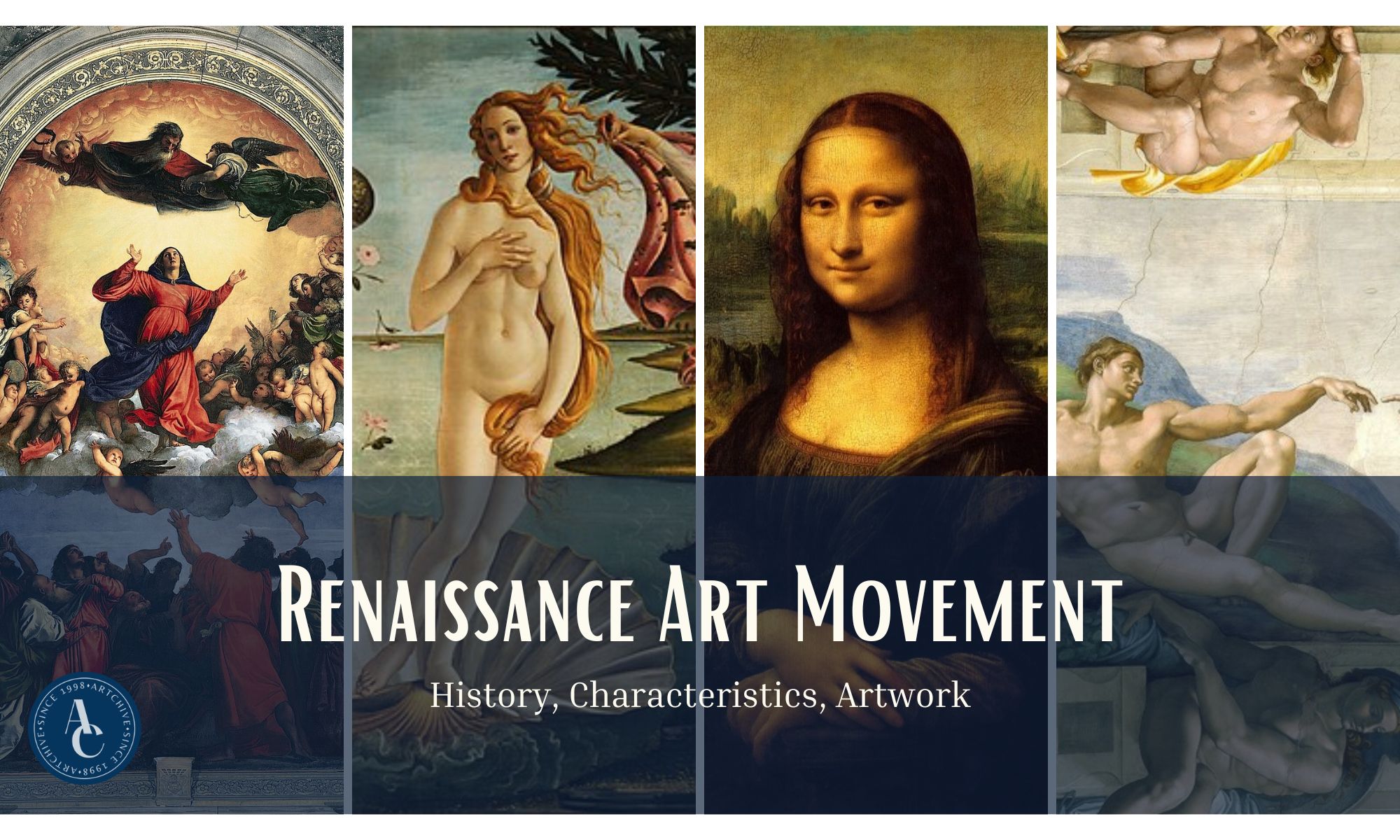
So, picture this: you're wandering through the Uffizi Gallery in Florence, and you find yourself face to face with Botticelli's "The Birth of Venus". You're not alone, of course, there's a crowd, but suddenly, it's just you and Venus. She's stepping off that shell, all modest and whatnot, and you're thinking, "Wow, someone really took their time to paint this." And that, my friend, is the Renaissance for you.
Welcome to the Renaissance, Baby!
Now, you might be thinking, "Renaissance, isn't that just a fancy word for 'rebirth'? What's the big deal?" Well, buckle up, because we're about to dive into a world of art, ideas, and more than a few naked people (it was the 14th to 17th century, cut them some slack).
Gothic, Schmothic: The Pre-Renaissance
Before we get to the good stuff, let's set the stage. Imagine you're in a medieval cathedral, all pointy arches and stained glass. That's Gothic art for you - dark, dramatic, and a bit spooky. Now, imagine someone comes along and says, "Hey, let's bring some light into this place, let's make art about real people, not just saints and sinners." That, my friend, was the Renaissance knocking at the door.
Renaissance Art: The Early Years
So, where did it all start? Well, if we're talking about art, we're talking about Italy. Florence, to be precise. Around the 14th century, some bigwigs like the Medici family started throwing money at artists, and boom - the Renaissance was born. Early on, art was all about perspective, proportion, and realism. Think Giotto, who was basically the Renaissance's granddad. He was painting people with actual, you know, feet on the ground. Revolutionary stuff.

High Renaissance: The Big Guns
Now, we're getting to the good stuff. The High Renaissance, that's when the big guns came out to play. We're talking Leonardo da Vinci, Michelangelo, Raphael - these guys were the dream team. They were painting the Sistine Chapel ceiling, sculpting David, and generally making the world a more beautiful place. And let's not forget, they were also drawing naked people. A lot.
But it wasn't just about the nudity (although, let's be real, that was a big part of it). These guys were all about idealizing the human form, about capturing the essence of a person in a single moment. They were painting people as they really were, not just as symbols. And they were doing it with a level of technical skill that was, quite frankly, mind-blowing.
Mannerism: The Renaissance's Teenage Rebellion
But even the Renaissance had its angst-ridden teens. Mannerism, that's what they called it. Art got a bit... eccentric. People started looking a bit too perfect, a bit too stylized. It was like the Renaissance had looked in the mirror and said, "I can do better than that." And in a way, they were right. But that's a story for another time.
So, What's the Big Deal?
The Renaissance was more than just a change in art style. It was a change in how people saw the world, how they saw themselves. It was about looking at the human body and saying, "Wow, that's amazing." It was about looking at the world and saying, "Let's make it better." And that, my friend, is why the Renaissance is still relevant today. Because at its heart, it was about people looking at the world and saying, "We can do better." And isn't that something we can all get behind?