
Bob Dylan 1961 Gerde's Folk City
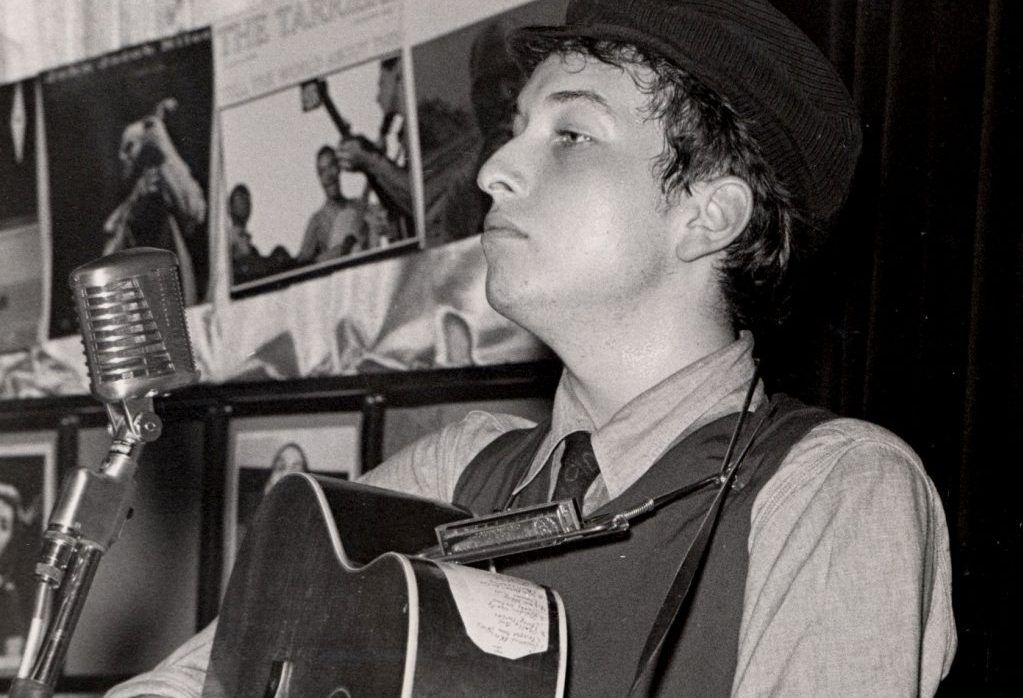
Bob Dylan's Folk City Debut: A Night That Sparked a Revolution
In the heart of New York City's Greenwich Village, nestled among the cobblestone streets and historic brownstones, lies a legendary venue that has hosted some of the most iconic names in folk music. Gerde's Folk City, established in 1960, was more than just a club; it was a cultural hub, a breeding ground for musical talent, and the stage where a young Bob Dylan took his first significant steps into the spotlight.
On April 11, 1961, a 19-year-old Dylan, fresh from his Minnesota hometown and brimming with ambition, stepped onto the stage at Gerde's. The club, with its dim lighting, wooden paneling, and intimate atmosphere, was the perfect setting for Dylan's raw, authentic sound. It was here that he began to weave his magic, captivating audiences with his unique blend of folk, blues, and rock 'n' roll.
Gerde's Folk City: A Time Capsule of Musical History
Gerde's Folk City was no ordinary venue. It was a place where the likes of Pete Seeger, Woody Guthrie, and Joan Baez had performed, and where the folk revival was in full swing. The club's founder, Mike Porco, was a passionate advocate for folk music, and his dedication to the genre created a space where artists could experiment, grow, and connect with like-minded audiences.
Must Read
Dylan's residency at Gerde's, which lasted for several months, was a pivotal moment in his career. It was here that he honed his craft, refined his sound, and began to attract the attention of industry heavyweights. His performances at Gerde's also played a significant role in the evolution of folk music, helping to bridge the gap between traditional folk and the emerging folk-rock sound.
Bob Dylan: The Folk Hero in the Making
Dylan's time at Gerde's was not just about his musical growth; it was also a period of personal transformation. He was evolving from a young, eager musician into a confident, charismatic performer. His sets at Gerde's were not just concerts; they were experiences, filled with storytelling, humor, and a sense of camaraderie with the audience.

Dylan's influence extended beyond the stage. He was a regular at the Folklore Center, a nearby shop that served as a gathering place for folk musicians. It was here that he met and learned from fellow musicians, and where he began to develop his distinctive songwriting style. His time in Greenwich Village also exposed him to the city's vibrant cultural scene, which would later inspire many of his songs.
Tips from the Past: How to Channel Your Inner Dylan
If you're looking to channel your inner Bob Dylan, Gerde's Folk City offers some valuable lessons. First, find your tribe. Surround yourself with people who share your passion and can help you grow. Second, be authentic. Dylan's music resonated because it was honest and true to his experiences. Finally, embrace the power of storytelling. Dylan's songs were more than just melodies; they were narratives that painted vivid pictures and evoked emotions.

Reflections from the Present: The Legacy of Gerde's Folk City
Today, Gerde's Folk City may no longer stand in its original form, but its spirit lives on. It serves as a reminder of the power of music to bring people together, to inspire change, and to reflect the human experience. Whether you're a seasoned musician or a casual listener, there's a lesson to be learned from the story of Bob Dylan and Gerde's Folk City.
So, the next time you find yourself in Greenwich Village, take a moment to imagine the echoes of Dylan's voice resonating through the cobblestone streets. Let it inspire you to seek out your own Gerde's Folk City, a place where you can connect with others, express yourself, and be a part of something bigger than yourself. After all, as Dylan himself once sang, "The times they are a-changin'," and it's up to each of us to find our place in that change.