
Easy Leonardo Da Vinci Paintings

So, there I was, wandering through the Louvre, trying to look like I knew what I was doing, when I found myself face to face with the Mona Lisa. Now, I've seen her in textbooks and on coffee mugs, but standing there, looking at her real smile, it was like meeting an old friend. And that's when it hit me, why not try to understand some of Leonardo da Vinci's other paintings? You know, the ones that aren't quite as famous, but still pretty darn impressive.
Let's Start with the Basics
First things first, da Vinci was a bit of a Renaissance rockstar. He was an artist, inventor, scientist, and all-around genius. His paintings are like a window into his mind, full of detail, depth, and sometimes, a little bit of mystery. But don't worry, we're not going to dive into the deep end just yet. We'll start with some of his easier pieces to understand, and then we can work our way up to the more complex ones.
Lady with an Ermine
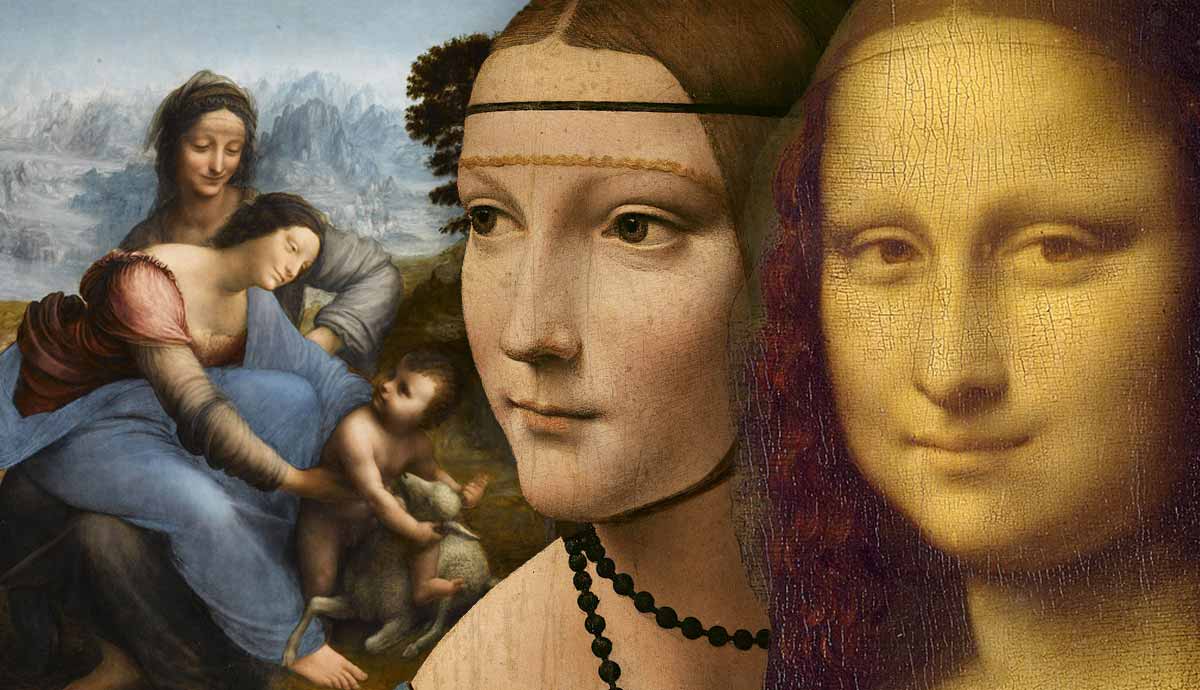
Alright, let's begin with Lady with an Ermine. This one's a portrait of Cecilia Gallerani, a beauty known for her intelligence and grace. Da Vinci captures her essence beautifully, with her soft features and gentle gaze. The ermine she's holding is a symbol of purity and loyalty, which were apparently her thing. Now, you might be thinking, "That's nice, but why's the ermine looking at me like that?" Well, that's da Vinci's clever use of chiaroscuro, playing with light and shadow to create depth and make the ermine seem like it's looking right at you.
Must Read
Last Supper
Next up, we have The Last Supper. This one's a bit more complex, but still pretty easy to understand if you know the story. It's Jesus' last meal with his disciples before he's, you know, taken away. Da Vinci captures the moment when Jesus announces that one of his disciples will betray him. The reactions are priceless - some disciples look shocked, others angry, and one, Judas, looks guilty as sin.
Da Vinci uses perspective here like a boss. He places Jesus at the vanishing points of the two sets of perspective lines, drawing our eyes right to him. It's like he's saying, "Hey, look over here, something important's happening!" And that's exactly what we do. Clever guy, that da Vinci.
Now, Let's Get a Little Weird
Alright, you've got the basics down. Now let's dive into something a bit stranger, The Adoration of the Magi. This one's unfinished, but that's part of its charm. It's like da Vinci left it for us to figure out, like a really old, really famous puzzle.
What's Going On Here?
So, what's happening in this painting? Well, it's the story of the three wise men, or Magi, visiting baby Jesus. But da Vinci's version is a bit chaotic, with figures rushing in from all sides. Some art historians think it's a metaphor for the chaos of the world, with the calm baby Jesus at the center. Others think it's just da Vinci's way of showing off his understanding of movement and perspective. Either way, it's a fascinating painting to look at, even if it is a bit confusing.

And Finally, a Bit of a Mystery
Last but not least, we have The Vitruvian Man. This one's a bit of a head-scratcher. It's a drawing of a man in two positions, inscribed in a circle and a square. It's supposed to represent the ideal human proportions, according to the ancient Roman architect Vitruvius.
But here's where it gets interesting. Some people think da Vinci hid secret messages in this drawing. There are theories about it being a map to hidden treasure, or a code to crack some other mystery. But who knows? Maybe da Vinci just wanted to show off his math skills. Either way, it's a fascinating piece of art, and a great way to end our little tour of da Vinci's easier paintings.
So, What Did We Learn?
Well, hopefully, you've learned a bit about some of da Vinci's paintings that aren't just the Mona Lisa. You've seen how he uses perspective and light to create depth, how he captures emotion in his figures, and how he can make a simple drawing into a mystery. And who knows, maybe next time you're at the Louvre, you'll feel a little more confident wandering through the galleries, like you know what you're looking at. Just remember, if anyone asks, you didn't learn it all from a blog. You're a connoisseur now, a true art aficionado.