
Henri Matisse Art Movement Fauvism
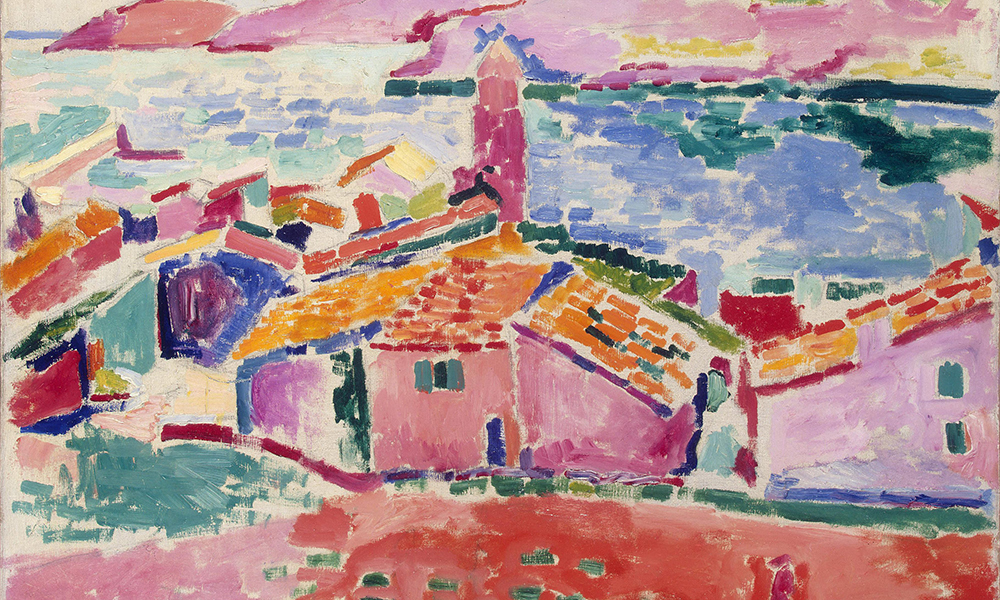
Hey there, art enthusiast! Grab a coffee, pull up a chair, and let's chat about this wild and colorful art movement that swept through Paris at the turn of the 20th century. You've probably heard of it - Fauvism, the brainchild of our friend Henri Matisse.
Now, you might be thinking, "Fauvism? Isn't that just a fancy French word for 'wild beasts'?" Well, you're not wrong! The name came from a critic who, after seeing their work, exclaimed, "Don't quibble, gentlemen, we must beware of these wild beasts!" But don't worry, these weren't the kind of beasts that would scare off little kids. No, these beasts were all about color, expression, and breaking the rules.
So, who was this Matisse guy, anyway?
Henri Matisse was a French artist, born in 1869. He started out as a lawyer, can you believe it? But one day, his mother gave him some painting supplies to keep him occupied while he was recovering from appendicitis. And boom! A star was born. He ditched the law books and never looked back.
Must Read
Matisse was all about pushing boundaries. He once said, "What I dream of is an art of balance, of purity and serenity, devoid of troubling or depressing subject matter, an art which might be for every mental worker, be he businessman or writer, like an appeasing influence, like a mental holiday." He wanted art to be a breath of fresh air, a escape from the mundane.
Enter Fauvism
Matisse and his pals - André Derain, Maurice de Vlaminck, and a few others - started this Fauvism thing around 1904. They were all about using bright, vibrant colors, bold brush strokes, and distorting forms to express emotion. They didn't care about being realistic, they just wanted to make you feel something.

Take Matisse's "The Green Stripe" for example. It's a portrait of his wife, Amélie, but she's all green and blue and red. It's not realistic, but it's full of emotion and energy. It's like Matisse was saying, "Forget about what things look like, feel what they are!"
But why the fuss about Fauvism?
Well, friend, Fauvism was a game-changer. It was a big 'ole middle finger to the traditional art establishment. These guys were saying, "Hey, art isn't just about being realistic. It's about expressing ourselves, making people feel something, even if it's a bit wild and crazy."

And guess what? It worked. Fauvism paved the way for other art movements like Expressionism and even Abstract Expressionism. It showed the art world that there were no rules, just feelings and colors and lines.
So, what's the takeaway here?
Don't be afraid to be a little wild, to break the rules, to express yourself. Whether it's with paint, words, or just the way you live your life. That's what Matisse and the Fauvists were all about. So go on, channel your inner wild beast and make some art - or at least, make your day a little brighter.
And hey, if anyone gives you grief for being too wild, just tell 'em Henri Matisse sent you. They'll probably think you're nuts, but who cares? You'll be having the last laugh, sipping your coffee, and feeling pretty darn good about yourself.