
How Do I Find The Value Of A Painting
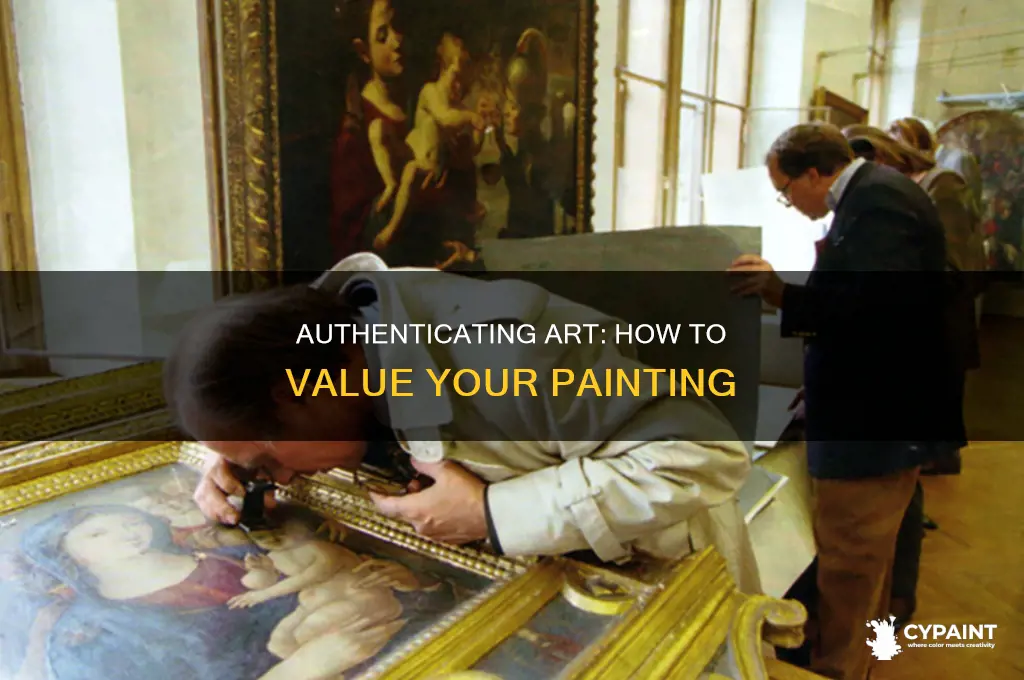
So, you've got a painting hanging on your wall, and you're curious about its value? You're not alone, my friend! It's like having a secret treasure map, and you're dying to know if that 'X' marks the spot of a hidden fortune. Let's dive into this art adventure together, shall we?
First Things First: Know Your Art
Before you start dreaming about your painting's value, you gotta know what you've got. Is it a Picasso or a Picasso-wannabe? A quick Google search can help you identify the artist and the style. If you're feeling fancy, you can even check if it's been sold before at an auction. Websites like Artnet and Artprice are like the stock market for art.
But remember, just because it's got a fancy frame and a big signature, doesn't mean it's a masterpiece. Art is subjective, and what's valuable to one person might be just a pretty picture to another. So, keep your expectations in check, okay?
Must Read
Age: The Fine Wine of Art
You know how they say wine gets better with age? Well, art's kinda the same. The older a painting, the more valuable it usually is. But there's a catch - it's gotta be old and in good condition. A 200-year-old painting with a hole in it isn't worth much, no matter how old it is.
So, how do you know how old your painting is? If it's signed and dated, that's a big help. Otherwise, you might need to do some digging. Check the back of the painting for any labels or stamps that could give you clues about its age or origin.
Size Matters (Sort Of)
You might think a bigger painting means a bigger price tag, but it's not that simple. Sure, large paintings can be more valuable because they take more time and materials to create. But they're also harder to display and sell. So, it's a bit of a toss-up.
What really matters is the scale. A tiny painting by a famous artist can be worth a fortune because it's rare and unique. So, don't judge a painting by its size alone.
Provenance: The Art World's Who's Who
Provenance is just a fancy word for a painting's resume. It's a record of who owned the painting and where it's been. The more impressive the provenance, the more valuable the painting usually is.

Think about it like this: If a painting was owned by a famous art collector or museum, that's a big deal. It shows that important people thought the painting was worth having. But if it's been passed down in your family for generations, that's valuable too - it's just a different kind of provenance.
Condition: The Art World's Goldilocks
When it comes to art, condition is everything. A painting in perfect condition is like the art world's Goldilocks - just right. But if it's damaged or faded, that's a big problem.
So, take a close look at your painting. Are there any cracks, tears, or discoloration? If so, it might need some TLC from a professional conservator. And remember, even if it's not perfect, that doesn't mean it's not valuable. Every painting has its own story, and sometimes, those stories add to its charm.
Get a Professional Opinion
Alright, you've done your homework. You know who painted it, when, where it's been, and what kind of shape it's in. Now it's time to get a professional opinion. An art appraiser can give you an estimate of your painting's value based on all that info.
But be warned, appraisals can cost money. So, if your painting is just a print you picked up at a garage sale, it might not be worth the investment. On the other hand, if you think it's something special, it might be worth the splurge.

Insurance: Because Life Happens
So, you've got an appraisal, and it turns out your painting is worth a small fortune. Congratulations! But now it's time to be responsible. You need to insure your painting in case something happens to it.
Homeowners insurance usually covers art, but only up to a certain amount. If your painting is worth more than that, you'll need to get a separate policy. It's a pain, I know, but it's worth it to protect your newfound treasure.
Now What?
So, you've found out your painting is worth a pretty penny. Or maybe it's not worth much at all. Either way, it's still a piece of art that you love, and that's what really matters.
You don't have to sell it or insure it or do anything at all. You can just enjoy it, knowing that it's a part of your story. And who knows? Maybe one day, it'll be worth even more. Or maybe it won't, and that's okay too.
Because here's the thing: Art is valuable because it's yours. It's the story it tells, the memories it holds, the way it makes you feel. So, keep it, love it, and let it be a part of your life. That's the real treasure.