
How Much Is My Print Worth

So, I was at this art market the other day, right? I'd just finished admiring a painting that looked like a toddler had taken a crayon to it, when I heard a lady ask the artist, "How much is this worth?" The artist, with a straight face, replied, "Well, it's priceless, but I'll let it go for $5,000." I nearly choked on my latte. Priceless? Really?
That got me thinking, how do we decide how much our prints are worth? I mean, I've got a few at home. They're not masterpieces, but they're not trash either. So, let's dive into this, shall we?
First Things First: What Are We Talking About?
When we say 'print', we're not just talking about the stuff that comes out of your home printer. We're talking about art prints, limited edition prints, giclée prints - you get the gist. These are works of art created using various printing techniques, often in limited quantities.
Must Read
Now, before you start thinking I'm going to give you some magical formula to determine the value of your prints, let me stop you right there. There's no one-size-fits-all answer. The value of a print is subjective and depends on a whole bunch of factors. But hey, that doesn't mean we can't have a bit of fun trying to figure it out, right?
Quality Over Quantity
You might have a print that's one of a thousand, but if it's a high-quality giclée print on archival paper, it's probably worth more than a screen print that's one of ten. The quality of the paper, the ink, the printing technique - these all matter. So, if you're looking to sell, make sure you're shouting about the quality of your prints from the rooftops.
But remember, quality isn't just about the materials. It's also about the artist. If you're a well-known, established artist, your prints are likely to be worth more than those of a newcomer. It's harsh, but it's the way of the art world. Sorry, not sorry.

Rarity Value
Limited edition prints are worth more than open edition prints because, well, they're limited. The fewer there are, the more valuable they become. It's simple supply and demand. So, if you've got a print that's one of five, you can probably charge more for it than one that's one of fifty.
But here's a little tip from me to you - don't go around claiming your prints are limited edition if they're not. That's just lying, and it's not cool. People will find out, and then you'll be in print-shaming territory. Not a good look.
Subject Matter: The X-Factor
Some subjects are just more valuable than others. A print of a famous landmark is likely to be worth more than one of your cat, no matter how adorable it is. Sorry, Whiskers. But hey, if your cat is famous, then all bets are off.
Pop culture references can also add value. If your print is of a scene from a popular movie or a famous album cover, people might be willing to pay more for it. But be careful - using someone else's intellectual property without permission can get you into serious trouble. So, make sure you've got the rights to use that image, or you're parodying it in a way that's protected by fair use laws.
So, How Much Is My Print Worth?
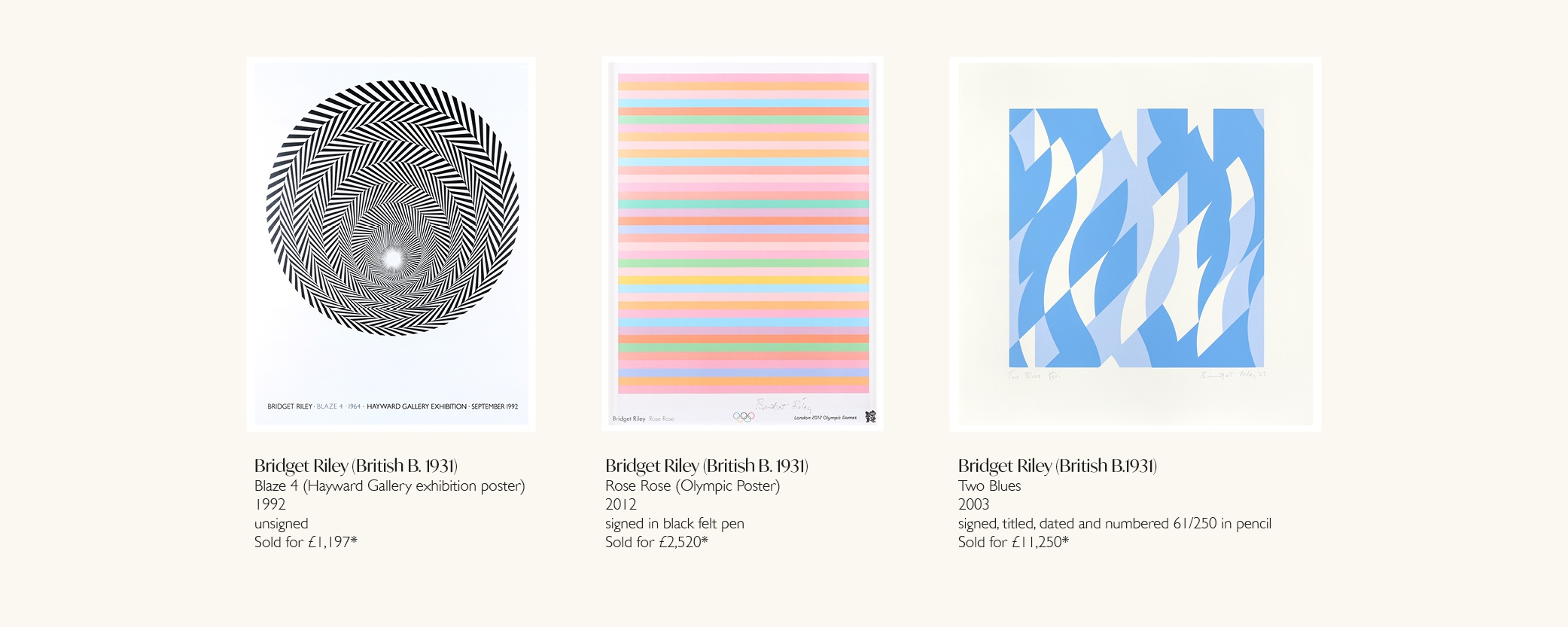
Alright, so you've got a print. You've considered the quality, the rarity, and the subject matter. Now what? Well, it's time to do some research. Look up similar prints by the same artist or other artists. What are they selling for? This should give you a good idea of where to start.
But remember, the value of your print is also about what someone is willing to pay for it. If you price it too high, no one might buy it. If you price it too low, you might be leaving money on the table. It's a balancing act.
And here's where it gets interesting. The value of your print isn't just about the print itself. It's also about the story behind it. Why did you make it? What inspired you? What does it mean to you? People connect with stories, so don't be afraid to share yours. It might just be the thing that makes someone want to buy your print.
But hey, don't take my word for it. Experiment. Try different prices. See what works. And most importantly, have fun. Because at the end of the day, the value of your print is what someone is willing to pay for it. And if no one is willing to pay anything, well, at least you've got a nice piece of art to hang on your wall, haven't you?