
How To Evaluate A Painting
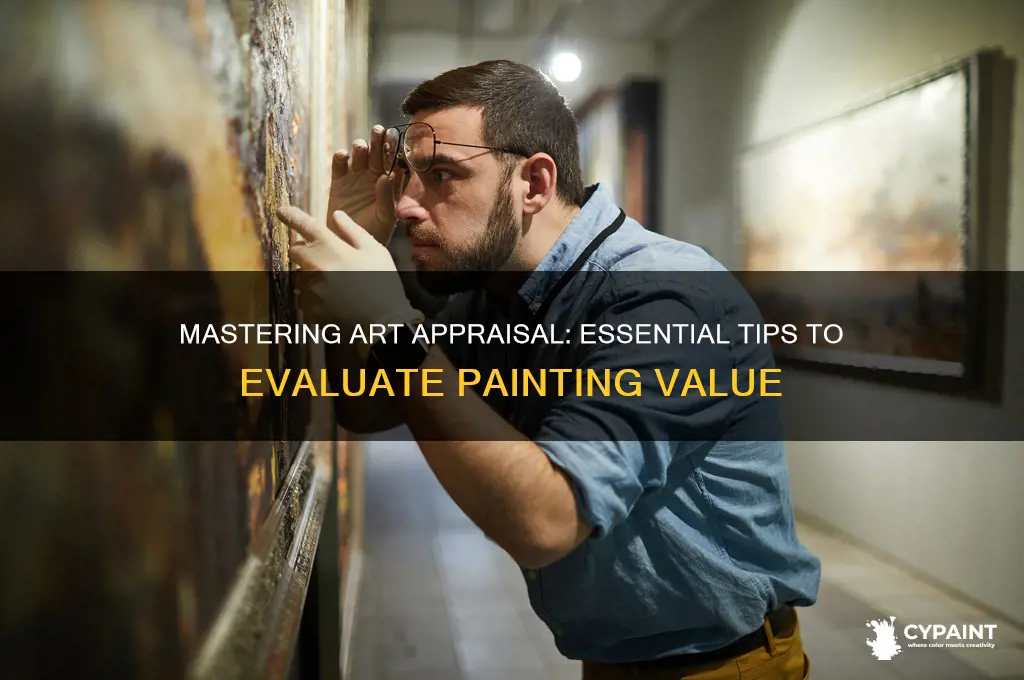
Ever wondered how to tell if that painting you've had your eye on is a masterpiece or just a really expensive wall decoration? Fear not, art enthusiast! We're about to dive into the fun world of painting evaluation, no stuffy art history lectures here, promise.
First things first: The Naked Eye Test
Before you whip out your magnifying glass and start channeling your inner Sherlock, let's start with the basics. Stand back and give the painting a good once-over. What's it saying to you? Does it make you feel something? Art's all about emotion, so if it's not stirring your soul, it might be time to move on.
Now, get up close and personal. Check out the brushstrokes. Are they bold and confident, or timid and hesitant? The way an artist applies paint can tell you a lot about their style and skill. And hey, if you spot a little signature in the corner, that's a good sign you're looking at an original!
Must Read
History Lesson: The Who, What, When, Where, Why
Alright, so you've established that the painting is pretty darn good. But how do you know it's not just a really convincing forgery? That's where a little art history comes in. Who painted it? When? Where? Why?
If the artist is a household name, great! But be wary of paintings by 'unknown' artists. Sometimes, 'unknown' just means 'not famous yet.' Other times, it means 'not very good.' Do some digging. Where did the painting come from? Was it part of a collection? Has it been exhibited anywhere? The more info you can dig up, the better.
Materials Matter
You might not be able to tell a canvas from a fresco, but that's okay! There are experts out there who can. And they're not just looking at the paint, they're looking at the canvas, the frame, the varnish. Every material tells a story, and that story can help authenticate a painting.

For example, did you know that oil paints didn't become popular until the 15th century? So, if you're looking at a painting that's supposed to be from the 14th century, but it's all shiny and oily, something's not right.
Quirks and Quackery: When to Be Skeptical
So, you've found a painting that ticks all the boxes. It's got the right artist, the right materials, the right history. But wait! There's a tiny, perfect unicorn in the corner. Something's not quite right here.
Art forgery is a real thing, folks, and it's not always easy to spot. But here's a little secret: if something seems too good to be true, it probably is. Be wary of paintings that are 'undiscovered masterpieces' or 'hidden treasures.' If an artist is truly that good, someone else has probably already discovered them.
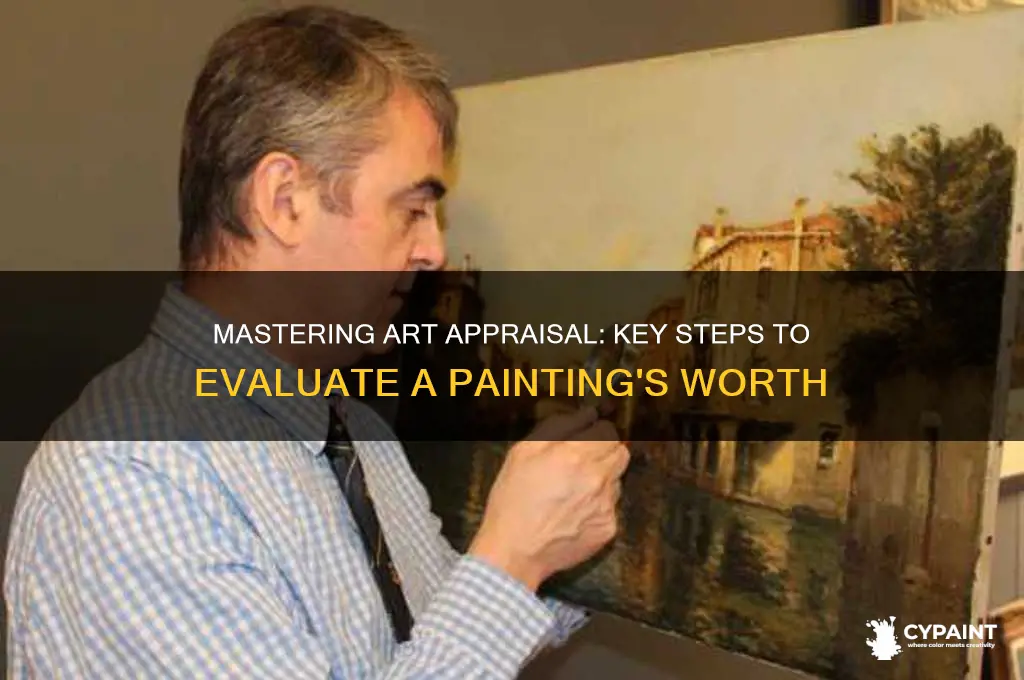
And while we're on the subject of quirks, let's talk about those funny little marks you sometimes see on paintings. Those are called 'pentimenti,' and they're basically little changes the artist made while they were working. They're usually only visible under special lighting, but if you can spot them, it's a good sign you're looking at an original.
The Bottom Line: Trust Your Gut
At the end of the day, evaluating a painting is as much about instinct as it is about knowledge. If something feels off, it probably is. But if it feels right, if it speaks to you, if it makes you want to stare at it for hours, then it's probably worth your time (and your money).
So go forth, art lovers! Get out there and evaluate some paintings. And remember, there's no such thing as a silly question. Except maybe, 'Is that a painting of a cat playing poker?' Because, let's face it, that's just weird.