
How To Get A Painting Valued

Ever wondered what that painting in your grandma's attic is worth? Or maybe you've got a piece you love, and you're curious if it's a hidden treasure? Let's dive into the world of art appraisal, where we'll find out how to get your painting valued, and why it's like going on a treasure hunt for art lovers!
First things first: Why get your painting valued?
Imagine you're at a garage sale, and you spot a painting that catches your eye. You pay a few bucks for it, thinking it's just a pretty picture. Then, one day, you find out it's a long-lost masterpiece worth millions! That's the magic of art appraisal – it can turn a simple painting into a potential treasure.
But even if your painting isn't worth a fortune, getting it valued can still be fascinating. It's like learning the story behind a new friend. You might discover who painted it, when, and why. Plus, you'll have a better idea of how to care for and display your art. So, let's get started on this art adventure!
Finding the right art expert
Before you start, you'll need to find an art appraiser. Think of them as art detectives, trained to uncover the secrets of your painting. They can be found in art galleries, auction houses, or as independent professionals. You can also look for appraisers who specialize in the style or period of your painting.
Now, you might be thinking, "How do I know if an appraiser is legit?" Well, just like you'd check reviews before trying a new restaurant, you should check an appraiser's credentials. Look for members of professional organizations like the American Society of Appraisers or the Appraisers Association of America. You can also ask for references or check their past appraisals.
Preparing your painting for the big reveal
Alright, you've found your art detective. Now, it's time to get your painting ready for its close-up. First, take a good look at it. Note any signatures, dates, or marks that could help identify the artist. Then, gather any information you have about the painting's history – where it came from, who owned it, and any stories passed down through the generations.

Next, you'll want to make sure your painting is in the best shape possible. Clean it gently with a soft, dry cloth, but avoid using any chemicals or water. If your painting is in poor condition, consider having it restored before the appraisal. A professional restorer can help preserve your painting's value and reveal more of its story.
What to expect during the appraisal
Now that you've found your appraiser and prepped your painting, it's time for the big moment! The appraiser will examine your painting closely, looking at the artist's style, the materials used, and any other clues that can help identify its origin and value.
They might ask you questions about the painting's history or show you similar works for comparison. It's like a game of art detective Clue, where each clue brings you one step closer to uncovering the truth about your painting.
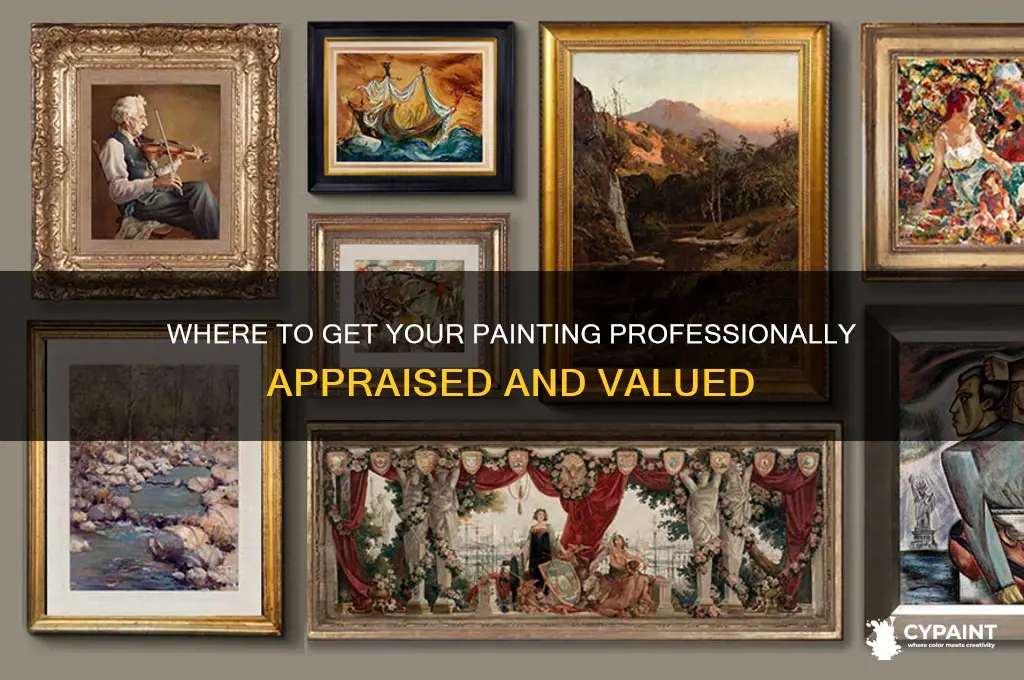
After the appraisal, you'll receive a written report that includes the painting's estimated value, as well as information about its artist, history, and condition. It's like receiving a personalized art history lesson, just for you and your painting!
What's your painting worth?
So, you've got your appraisal report in hand, and you're eager to find out if your painting is the next Mona Lisa. But remember, art is subjective, and value can be influenced by many factors – like market demand, the painting's condition, and even the current art trend.
That being said, even if your painting isn't worth a fortune, it's still valuable to you. It's a piece of art that brings you joy, and that's worth more than any price tag. Plus, you've just embarked on an exciting journey to learn more about your painting and the world of art. And who knows? Maybe one day, that painting in your grandma's attic will turn out to be a hidden masterpiece!
So, go ahead, embrace your inner art detective, and start exploring the fascinating world of art appraisal. Who knows what treasures you might uncover along the way?