
How To Identify A Painting
So, you're at this fancy shindig, or maybe just browsing a thrift store, and you spot a painting that's got you all "Ooh, shiny!" But how do you know if it's the real deal or just a clever knockoff? Let's chat about how to identify a painting like a pro, without needing a PhD in Art History.
First Things First: Look, Don't Touch
I know, I know, you're dying to get your hands on that frame. But resist the urge, my friend. Looking is free, and it's the first step to identifying a painting. Start by taking a step back. No, not to avoid the painting's gaze, just to get a good look at the whole thing.
Frame Game Strong
Frames can tell a story, so pay attention. Is it fancy and ornate, or simple and rustic? Does it look like it's from the same era as the painting, or is it a mismatch? A frame that's too new or too fancy for the painting could be a red flag.
Must Read
Now, Let's Get Up Close and Personal
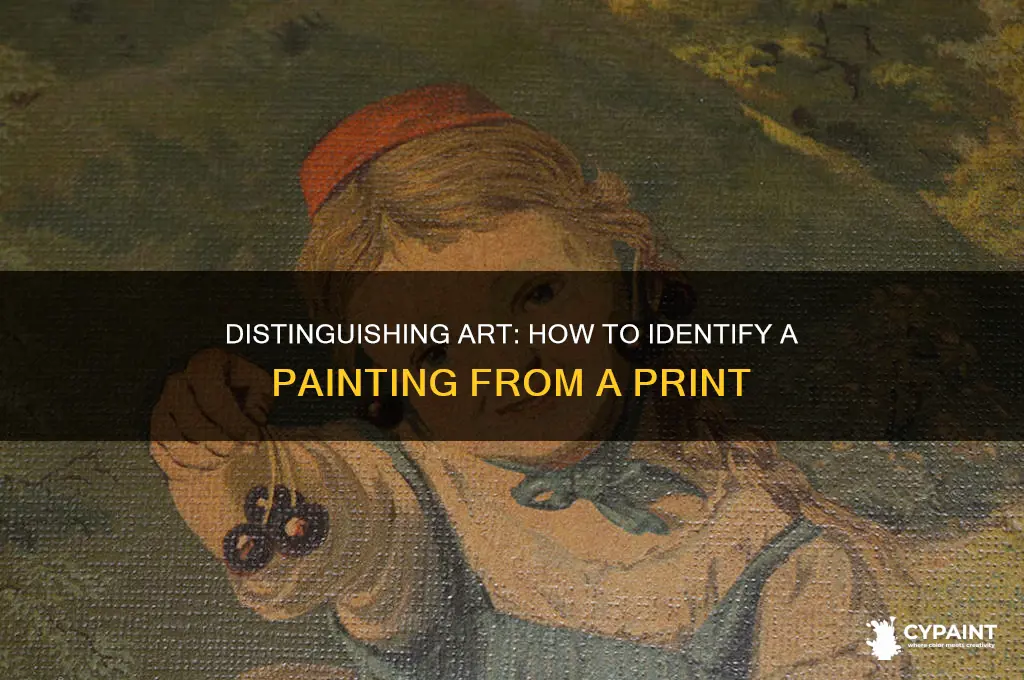
Time to move in for a closer look. But remember, no touching! Use your eyes, not your fingers. Start with the surface. Is it smooth and even, or does it have texture? Texture can indicate the painting technique, like impasto for those chunky, 3D effects.
Color Me Impressed
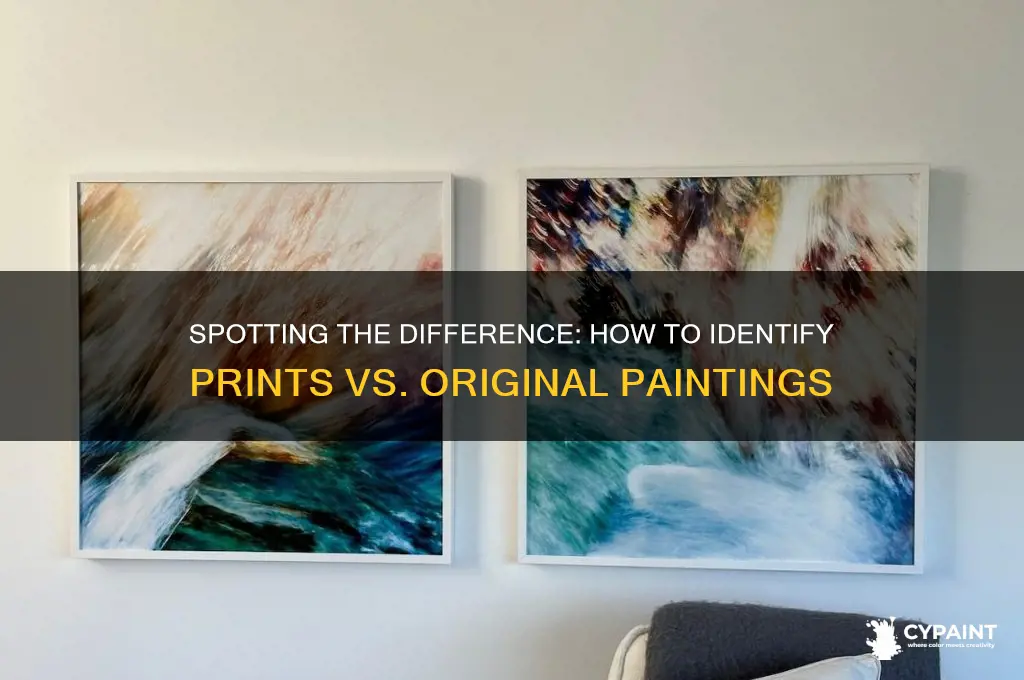
Now, let's talk color. Is it vibrant and bold, or faded and muted? Bright colors could mean the painting is newer, while faded colors might indicate age. But beware, some artists intentionally use muted colors, so it's not a definitive sign.
Signature Moves
Every artist has their signature style, and often, their signature too. Look for a signature, it's usually in the corner. It could be a name, initials, or even a symbol. Some artists sign their work in hidden places, so keep an eye out for those too.
Brush Up On Your Art History
Now, let's talk style. Does the painting remind you of a famous artist or movement? If you're thinking, "Uh, it kinda looks like that one painting I saw in a museum," you're on the right track. But remember, just because it looks like a Monet, doesn't mean it's a Monet. Art forgery is a thing, folks.

Pro Tip: Check The Back
Yes, you heard me right. Flip that painting over and take a peek. You might find a label from a gallery, an artist's note, or even a stamp from a museum. These can provide valuable clues about the painting's origin and authenticity.
When In Doubt, Ask An Expert
If you're still scratching your head, it might be time to call in the big guns. Art experts, like those at museums or reputable galleries, can provide professional opinions. They might even have tools to analyze the painting's materials and technique.
So there you have it, folks. Identifying a painting is like solving a mystery. It takes a keen eye, a bit of knowledge, and a whole lot of curiosity. Now go forth, art detectives, and happy sleuthing!