
How To Identify A Persian Rug

Ever stumbled upon a rug that's so gorgeous, you just had to have it? But wait, is it really a Persian rug, or just a clever imposter? Let's dive into the fun world of Persian rugs and learn how to spot the real deal. It's like a treasure hunt, but with fewer maps and more knots!
First Things First: What's a Persian Rug?
Persian rugs are like the supermodels of the textile world. They're known for their intricate designs, rich colors, and insane attention to detail. These beauties hail from Iran (formerly known as Persia), hence the name. But here's a fun fact: they're not just made in Iran. Neighboring countries like Turkey and Pakistan also weave their own versions. It's like a big, cozy, ruggy neighborhood!
Knotting is Caring: The Persian Knot
Persian rugs are woven using a specific type of knot called a Senneh or Persian knot. It's like the secret handshake of the rug world. This knot is symmetrical, with one loop around the warp threads. It's not as chunky as the Turkish knot, so Persian rugs have a more refined, elegant look.
Now, here's where it gets interesting. The density of these knots can vary greatly. Some rugs have up to 1,000 knots per square inch! That's like a tiny, woolly city. Imagine trying to count all those little guys. It's enough to make your eyes cross!
Design: The Language of the Rug
Persian rugs speak their own language through their designs. Each region has its own dialect, or motifs. For instance, Tabriz rugs from northwest Iran often feature medallions and intricate, curvilinear patterns. Meanwhile, rugs from the Qashqai tribe have bold, geometric designs. It's like a global rug conference, but with way more color and way less PowerPoint!
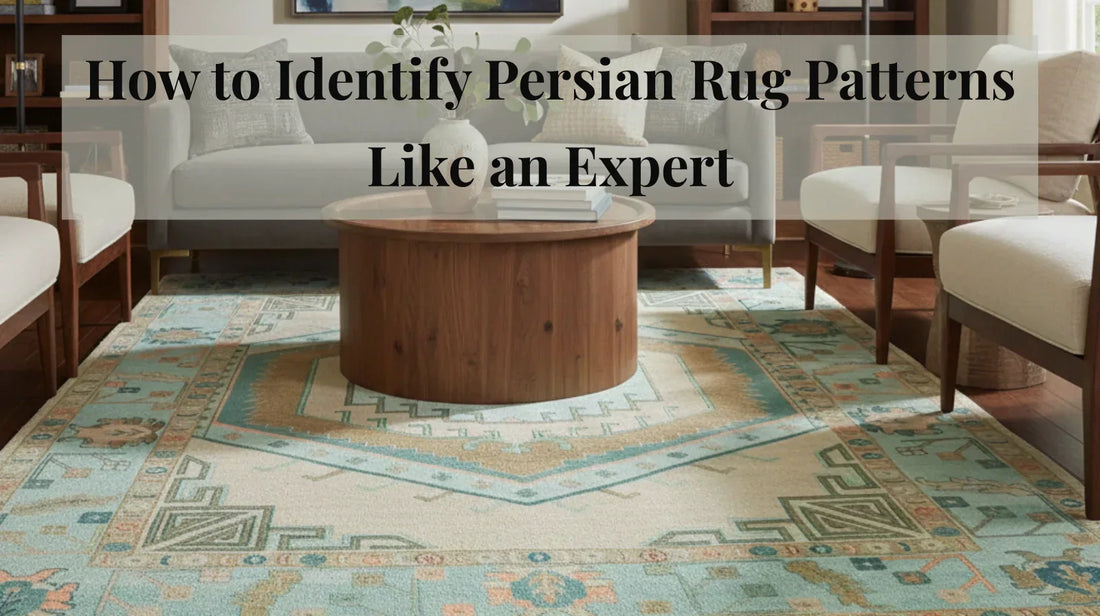
One thing that sets Persian rugs apart is their use of medallions. These are like the rug's version of a fancy necklace. They're often placed in the center or along the length of the rug. Some medallions are simple, while others are so complex, they could give a Rubik's Cube a run for its money.
Color Me Impressed
Persian rugs are like a box of crayons that's been shaken up and spilled out. They come in every color of the rainbow, plus some that you didn't even know existed. The most common colors are red, blue, and ivory, but you'll also find rugs with shades of green, yellow, and even purple.
Here's a fun fact: the color red in Persian rugs often comes from a plant called madder. It's been used for centuries to create this rich, vibrant hue. It's like nature's own paintbox!
The Test of Time: Age and Wear
Age is just a number, right? Well, not when it comes to Persian rugs. The older a rug is, the more valuable it can be. But how can you tell if a rug is an antique or just pretending to be one?
Look for signs of wear. Over time, the colors of a rug will fade evenly. This is called abrash. It's like the rug's version of laugh lines. Also, the edges of older rugs may fray or unravel slightly. It's not a sign of poor quality, just a sign that the rug has been around the block a few times.

The Great Imposter: How to Spot a Fake
So, you think you've found the Persian rug of your dreams. But how can you be sure it's not just a clever imposter? Here are a few tips to help you spot a fake:
- Check the label. A genuine Persian rug should have a label that says it was made in Iran.
- Look for symmetry. A real Persian rug will have a symmetrical design, with the same pattern on both sides of the medallion.
- Feel the knot. A Persian knot should feel smooth and even. If it feels lumpy or uneven, it might be a fake.
- Check the colors. If the colors are too bright or too uniform, it might be a sign that the rug is new, not old.
Remember, spotting a fake Persian rug is like trying to spot a liar. They're not always easy to spot, but with a little practice, you'll get better at it. And who knows, you might even have some fun along the way!
Why Persian Rugs? Why Not?
Persian rugs are more than just something to put on the floor. They're works of art, pieces of history, and symbols of cultural heritage. They tell a story, and they do it in a way that's beautiful and timeless. So, why not add a little bit of that beauty to your own story?
Whether you're looking for a rug to brighten up your living room or a piece of history to add to your collection, Persian rugs are always a great choice. They're like a little piece of Persia, right in your own home. And who wouldn't want that?