
How To Recognize Antique Furniture

Unlocking the Past: A Fun Guide to Spotting Antique Furniture
Ever stumbled upon a piece of furniture at a flea market or grandma's attic and wondered, "Is this an antique, or just old?" Well, you're not alone. Recognizing antique furniture can be a fun treasure hunt, and we're here to help you become a modern-day Indiana Jones of the furniture world. So, grab your magnifying glass and let's dive in!
First Things First: What Makes Furniture an Antique?
Before we start our adventure, let's define our quest. Generally, furniture becomes an antique once it's at least 100 years old. But remember, 'antique' is a loose term, and different countries have their own definitions. For example, in the U.S., the Antiques Dealers' Association of America considers pieces made before 1830 as antiques.
Know Your Periods: A Brief Furniture History Lesson
Furniture styles have evolved over centuries, and understanding these periods can help you recognize antiques. Here are a few key periods:
Must Read
- Renaissance (14th-17th Century): Think heavy, ornate pieces with intricate carvings. These are typically made from woods like oak or walnut.
- Baroque (17th-18th Century): This period is all about drama and grandeur. Look for pieces with curves, gilding, and a lot of detail.
- Victorian (Mid-19th Century): The Victorians loved their dark woods and heavy, ornate designs. Think of the furniture in classic haunted mansions.
Inspecting Your Find: The Art of Furniture Detective Work
Now that you've got a basic timeline, let's get hands-on. Inspecting a piece of furniture can reveal its age and origin. Here are some tips:
- Wood: Antique furniture is usually made from solid wood, not plywood or particle board. Look for signs of age like wear, patina, and wormholes (yes, those are from actual woodworms!)
- Joints: How pieces of wood are joined together can tell you a lot. Before the 19th century, furniture was often made with mortise-and-tenon joints or dovetailing. Modern furniture might use nails, screws, or staples.
- Hardware: Check the handles, hinges, and other hardware. Antique hardware is usually made of brass or iron, not shiny chrome or plastic.
- Markings: Look for maker's marks, stamps, or labels. These can help you identify the piece's origin and age. Some famous names include Chippendale, Hepplewhite, and Sheraton.
When in Doubt, Ask an Expert
If you're still unsure, don't hesitate to consult an expert. Many antique stores, auction houses, or even local historical societies can provide guidance. There are also apps and online resources that can help you identify furniture styles and ages.
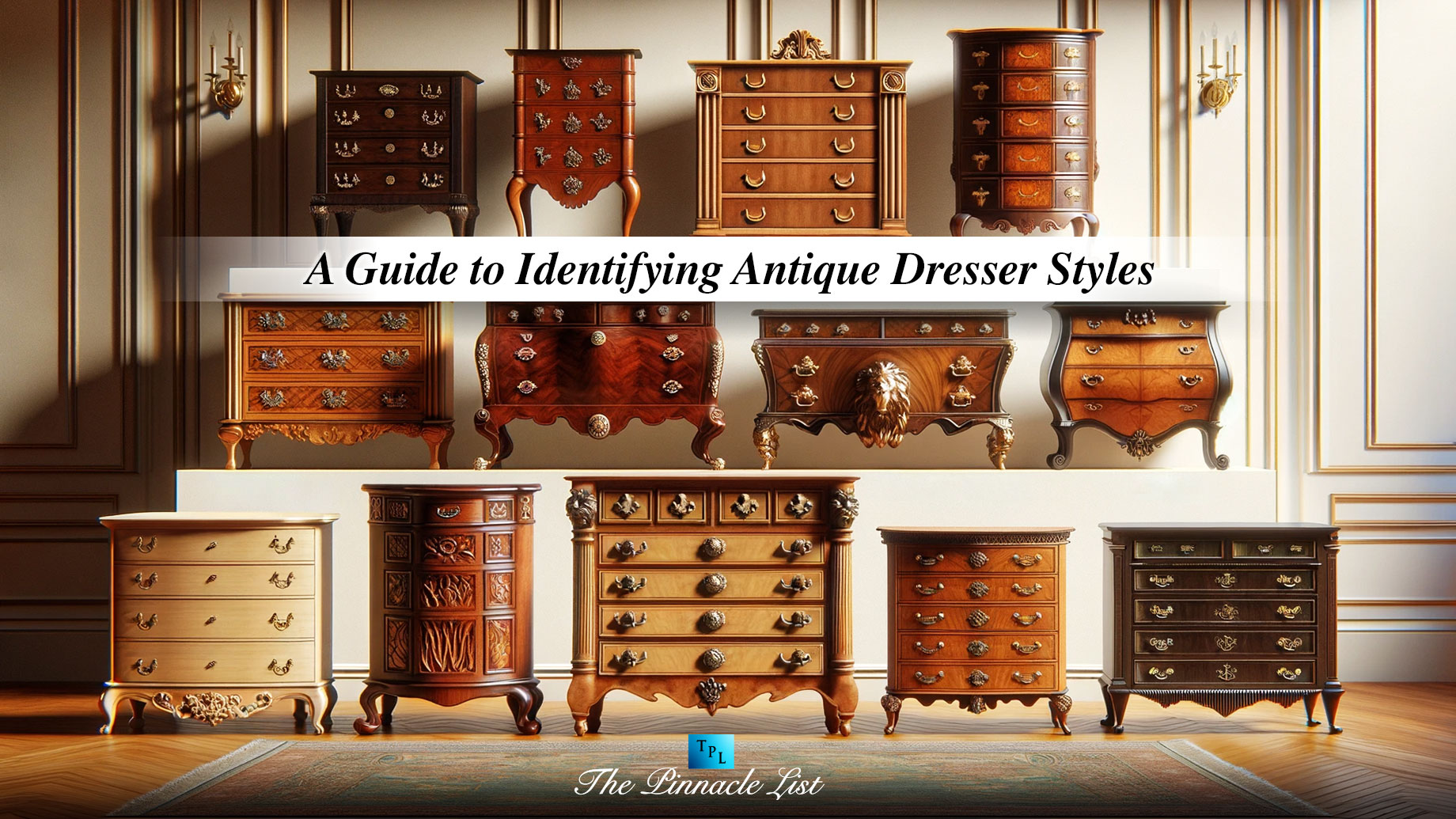
Antique Furniture: More Than Just a Hobby
Recognizing antique furniture isn't just about finding hidden treasures. It's about connecting with history, preserving the past, and appreciating craftsmanship. Each piece tells a story, and by recognizing and caring for antiques, we keep those stories alive.
So, the next time you're browsing a flea market or rummaging through a thrift store, keep your eyes peeled. You never know when you might stumble upon a piece of history. And remember, every expert was once a beginner. So, have fun, learn, and happy hunting!